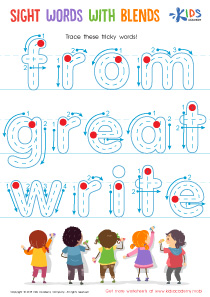
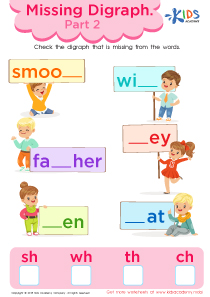
Color Identification Grade 1 Phonics Worksheets
3 filtered results
-
From - To
Enhance your child's phonics skills and color recognition with our engaging Color Identification Grade 1 Phonics Worksheets. These expertly designed printables make learning exciting as they help first-graders identify letters and sounds while discovering different colors. Through interactive activities, young learners boost their phonemic awareness and vocabulary, setting a strong foundation for reading. Perfect for classroom and home use, these worksheets support varied learning styles with vibrant illustrations and educational fun. Download now from Kids Academy to turn phonics practice into a delightful and educational adventure!
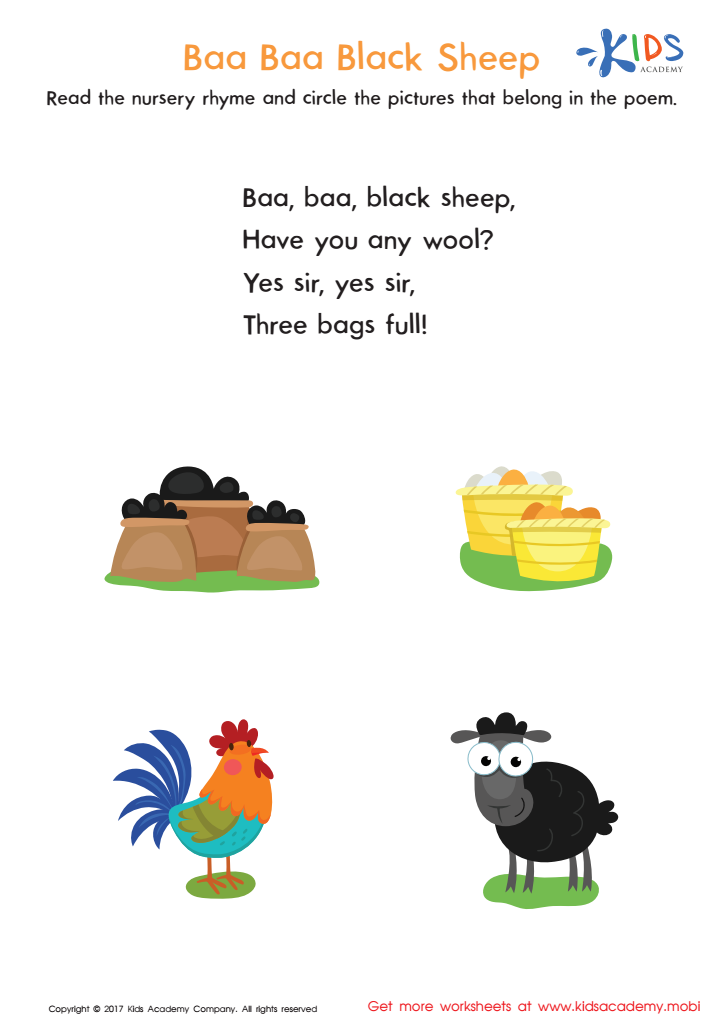
Baa Baa Black Sheep Printable
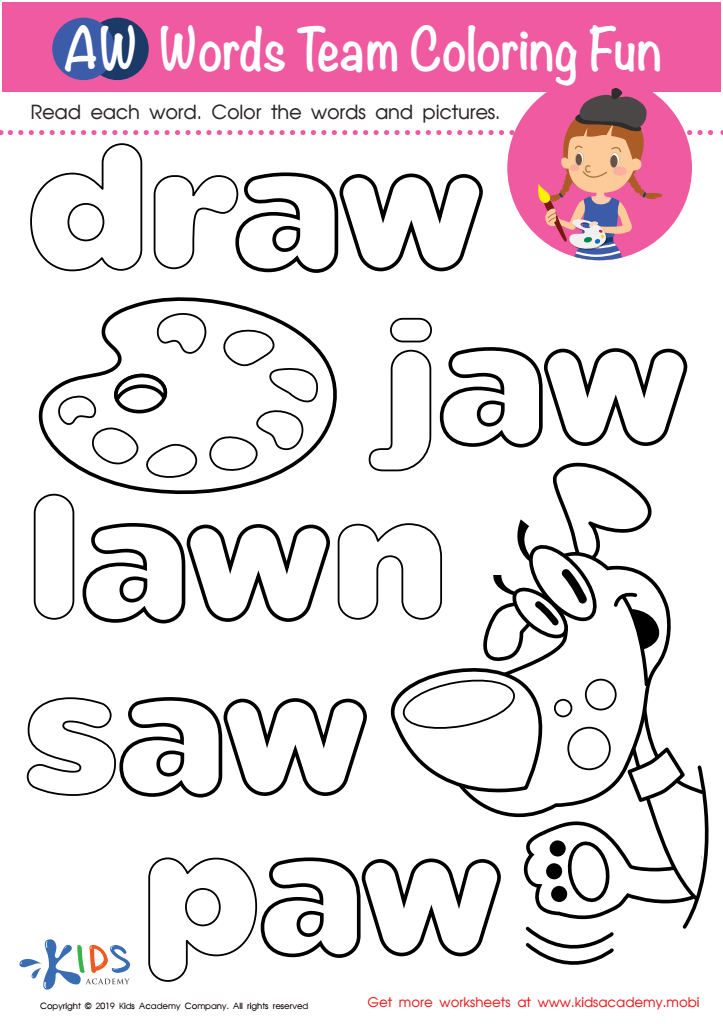
AW Words Team Coloring Fun Worksheet
 Assign to My Students
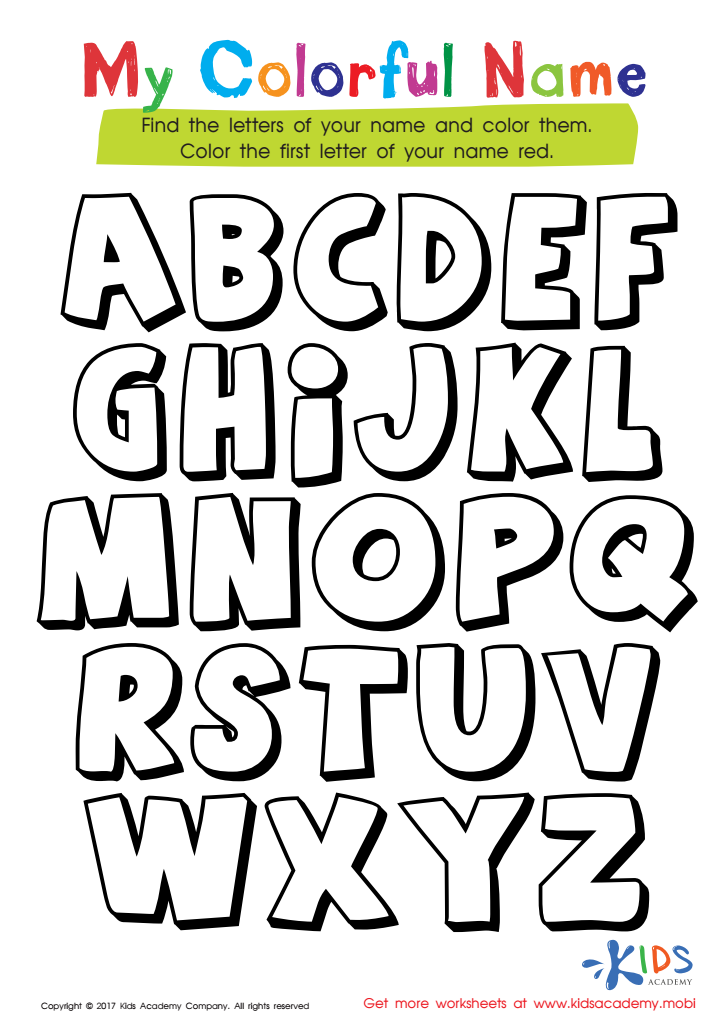
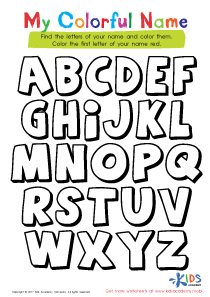
My Colorful Name Worksheet
Assign to My Students


Color identification and Grade 1 phonics are foundational skills that play a crucial role in a child's early development. Parents and teachers should care about these because they serve as building blocks for more complex learning processes.
For color identification, recognizing and naming different colors enhances cognitive development and spatial awareness. This is important for young children as it helps them categorize objects and develop descriptive language skills. These visual distinctions are essential in various learning contexts, such as understanding visual artwork and encouraging creativity. For example, kindergarten and first-grade classrooms often rely on color-coded charts, schedules, and learning materials which require a solid grasp of color recognition.
Grade 1 phonics, on the other hand, focuses on the relationship between sounds and their corresponding letters. Strong phonics skills are critical for reading fluency and comprehension. Early mastery in phonics supports spelling and pronunciation, which lays a necessary foundation for future academic success. When children can decode words efficiently, they have more cognitive resources to invest in understanding the meaning of texts, fostering a love for reading and lifelong learning.
Both color identification and phonics contribute significantly to a child's ability to navigate through academic and everyday tasks, making them essential focal points for educators and parents in early childhood education.