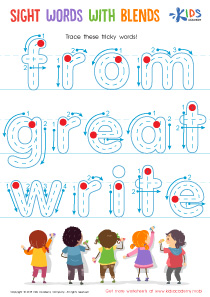
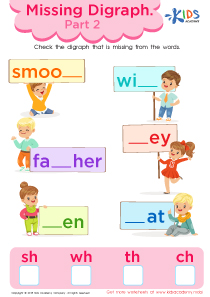
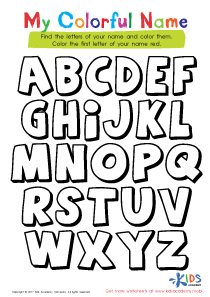
Rhyme recognition Grade 1 Phonics Worksheets
3 filtered results
-
From - To
Enhance your Grade 1 students’ phonics skills with our engaging Rhyme Recognition Worksheets! Designed for early learners, these worksheets provide a fun and interactive way to explore rhyming words and improve phonemic awareness. Through colorful illustrations and simple activities, kids will leap into the world of rhymes, identifying sounds and patterns in language. Each worksheet supports critical thinking and reinforces vocabulary, setting the foundation for strong reading skills. Perfect for classroom use or at-home practice, these printables stimulate creativity while reinforcing essential phonics concepts. Download our Rhyme Recognition Worksheets today to make learning fun and effective for your first graders!
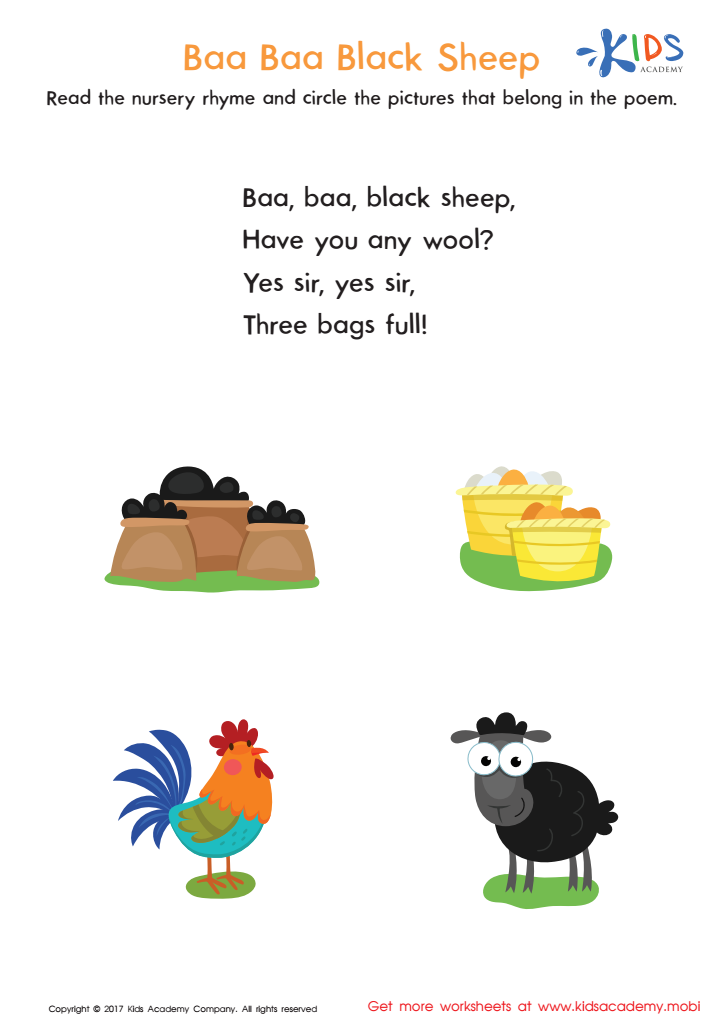
Baa Baa Black Sheep Printable
 Assign to My Students
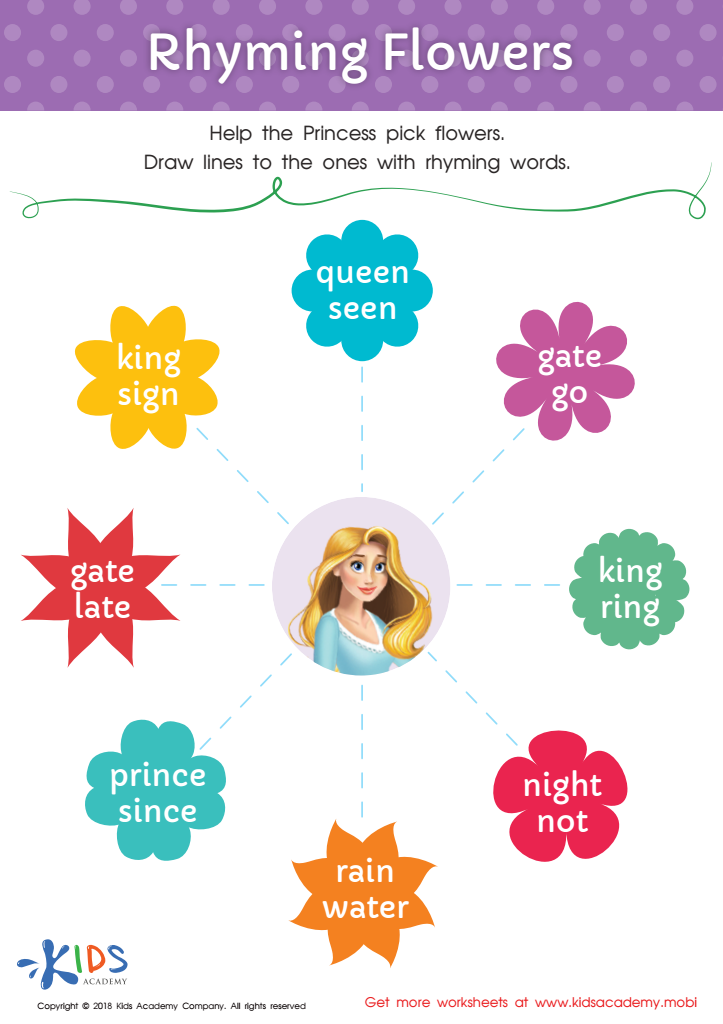
Rhyming Flowers Worksheet
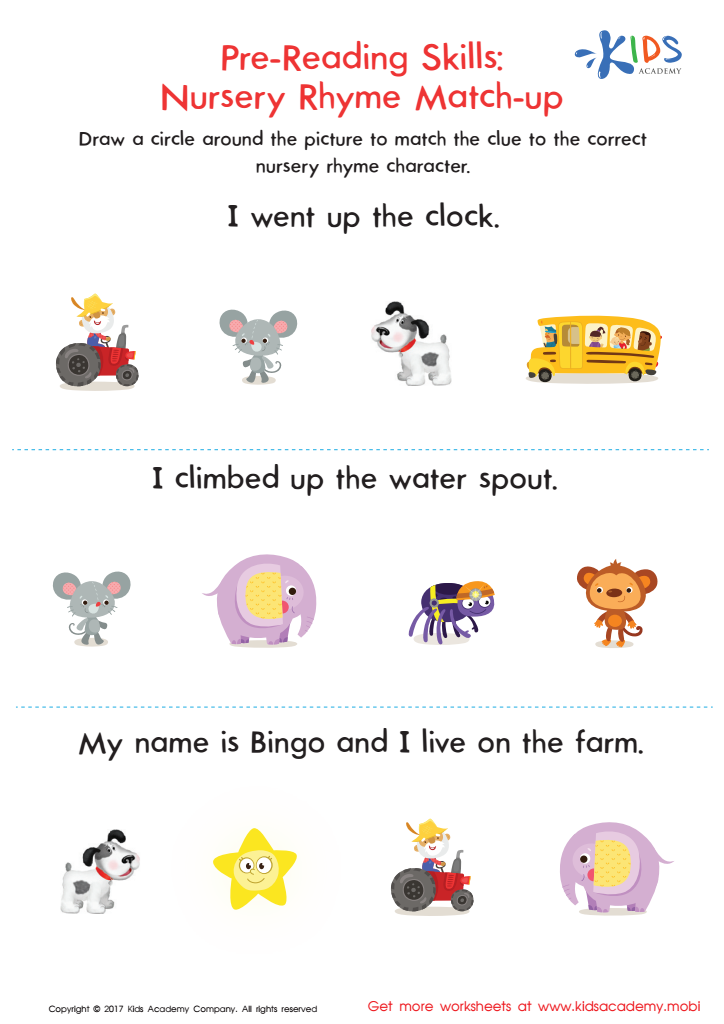
Nursery Rhyme Match–Up Worksheet


Rhyme recognition is a critical component of phonics education in Grade 1, serving as a foundational skill for early literacy. Understanding and identifying rhymes helps children enhance their phonological awareness, which is the ability to hear and manipulate sounds in language. When students recognize rhyming patterns, they develop stronger decoding skills needed for reading. This is because rhymes help children recognize sound similarities, enabling them to predict words in familiar contexts.
Furthermore, rhyme recognition fosters vocabulary acquisition and retention, as children are more likely to remember words that sound similar. Engaging with rhymes can also boost a child’s motivation and enjoyment of reading, as playful language invites creativity and stimulates interest in literacy activities.
For parents and teachers, promoting rhyme recognition is essential for building confidence in young readers. Activities such as nursery rhymes, poetry, and word games can make learning enjoyable while reinforcing essential phonics skills. This approach not only benefits students academically but enhances their overall language development, preparing them for more complex reading tasks in the future. By prioritizing rhyme recognition, educators and parents contribute to a strong literacy foundation that supports lifelong learning.