Vocabulary Building Grade 1 Phonics Worksheets
4 filtered results
-
From - To
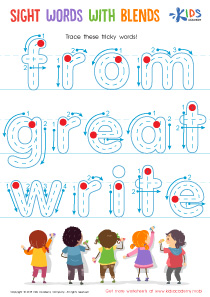
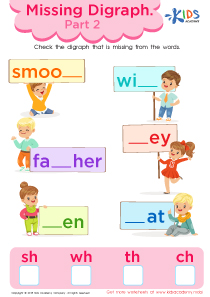
Discover our engaging Vocabulary Building Grade 1 Phonics Worksheets, designed to enhance your child's reading and language skills. These worksheets focus on phonics concepts and vocabulary development, making learning fun and interactive. With a variety of activities, including matching words to pictures, fill-in-the-blanks, and word recognition exercises, students will strengthen their understanding of sound-letter relationships and expand their word bank. Ideal for classroom or home use, our worksheets cater to diverse learning styles and help build a solid foundation for lifelong literacy. Foster a love for language in your first grader today with our comprehensive collection of phonics worksheets!
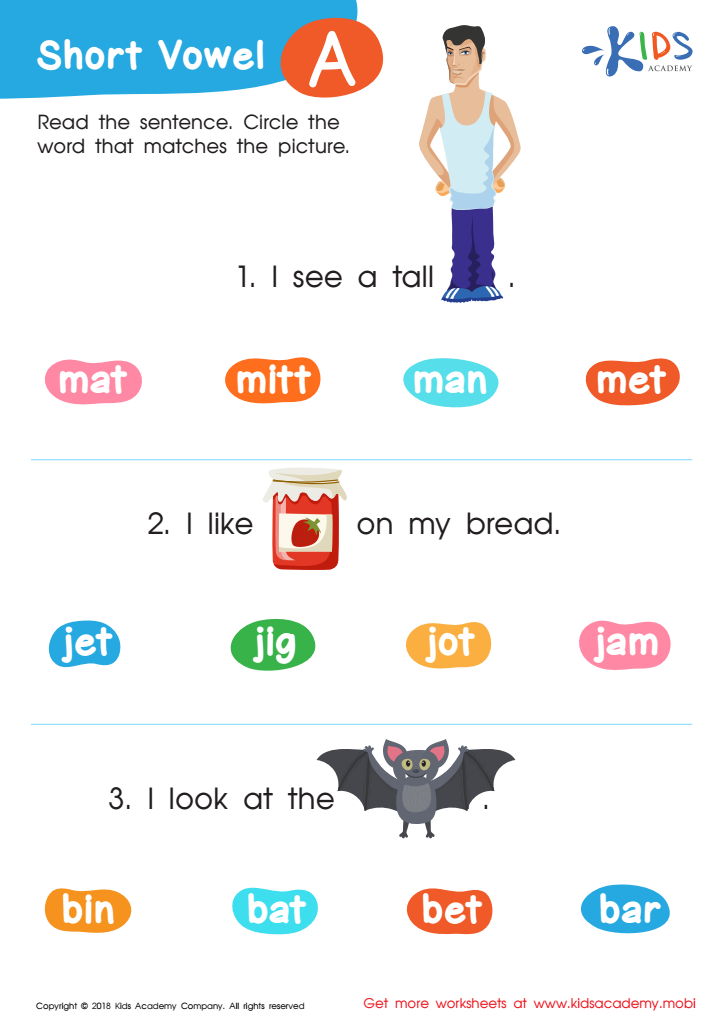
Short Vowel /a/ Worksheet
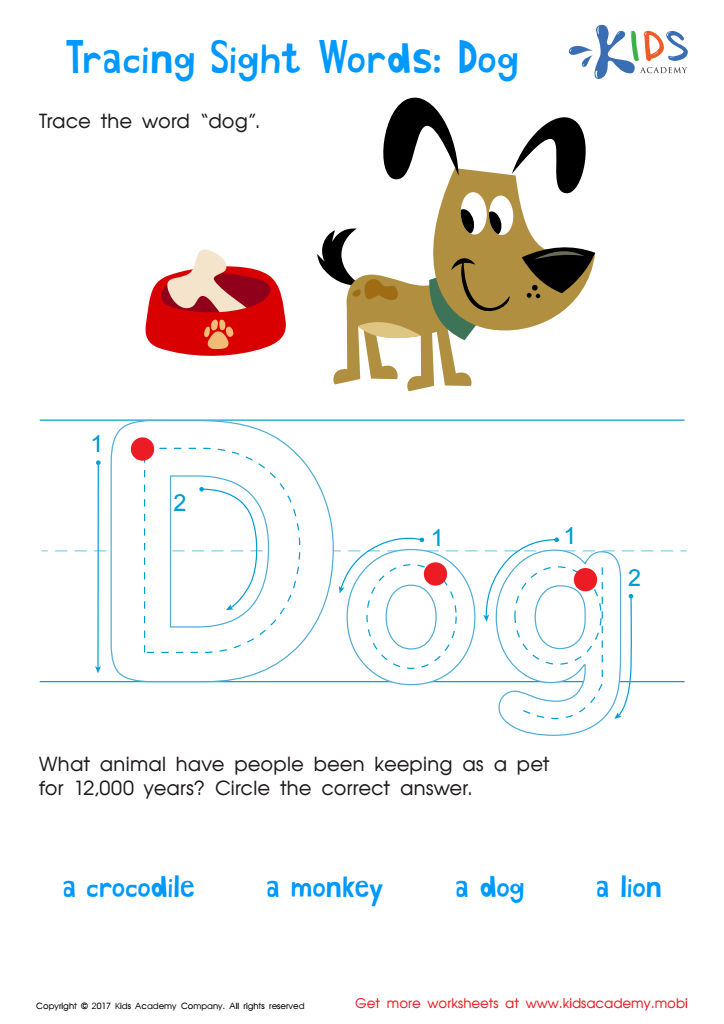
Dog Worksheet Sight Words Worksheet
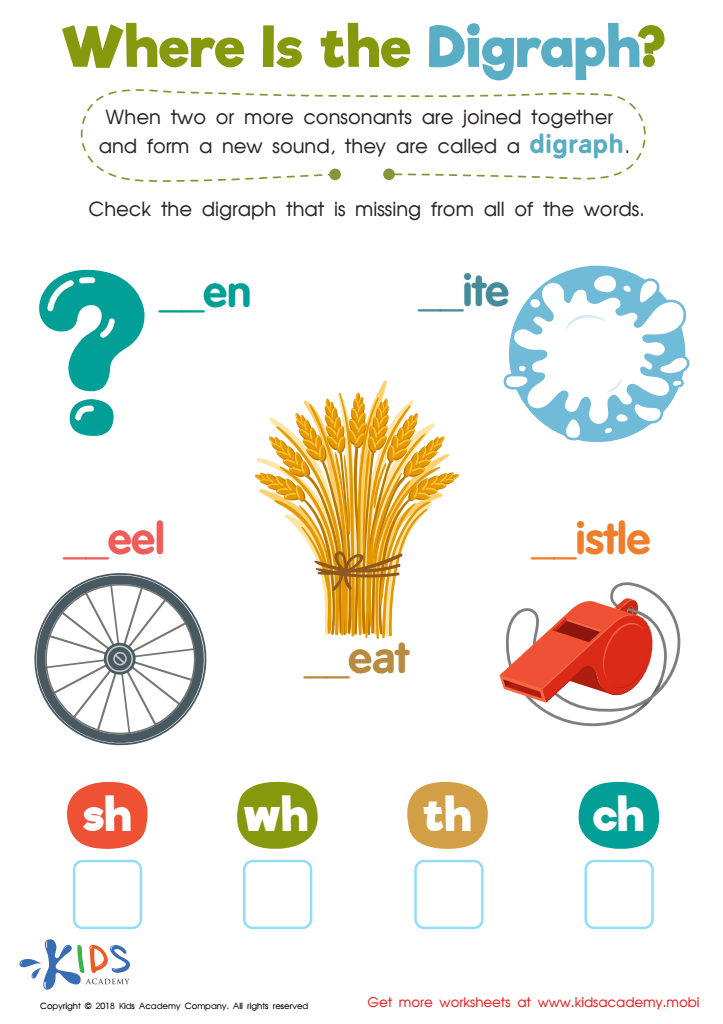
Where Is the Digraph? Worksheet
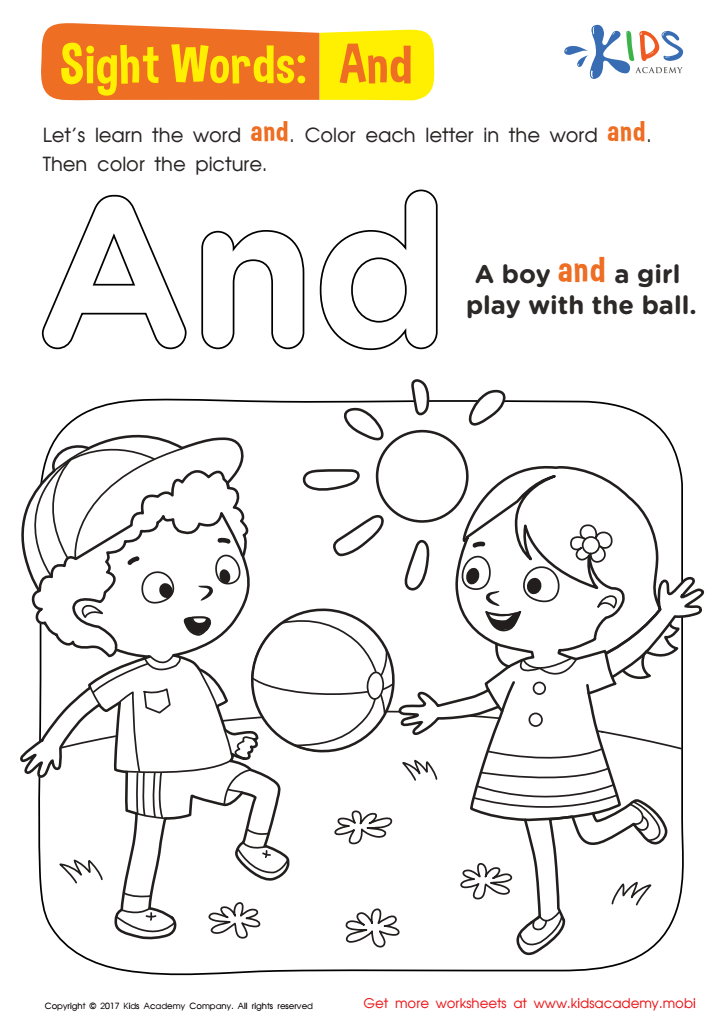
And Worksheet Sight Words Worksheet
 Assign to My Students


Vocabulary building and phonics are essential components of early literacy development in grade 1. Parents and teachers should prioritize these skills for several reasons. First, a strong vocabulary foundation enhances a child's reading comprehension, enabling them to understand and engage with texts more effectively. As students encounter new words, they can make connections to their existing vocabulary, which promotes critical thinking and learning.
Phonics, or the relationship between letters and sounds, is equally important as it equips children with the ability to decode words independently. Mastering phonics allows students to sound out unfamiliar words, boosting their confidence and fostering a love for reading.
Moreover, research shows that strong early literacy skills correlate with academic success in later grades. When children develop robust vocabulary and phonics skills, they are better equipped to tackle more complex texts in subjects like science and social studies.
Finally, parental and teacher involvement in vocabulary building enriches children’s language experiences, making learning enjoyable and engaging. By attending to these foundational skills, adults can help cultivate lifelong readers who are equipped for both academic achievements and effective communication in everyday life. Ultimately, investing time in vocabulary and phonics is an investment in a child's future success.