Sight word recognition Grade 1 Three Letter Words Phonics Worksheets
3 filtered results
Difficulty Level
Grade
Age
-
From - To
Subject
Activity
Standards
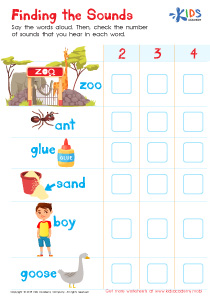
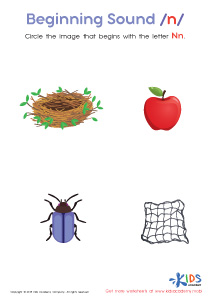
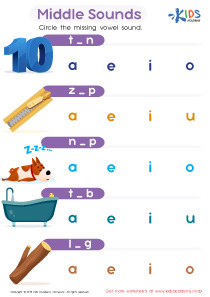
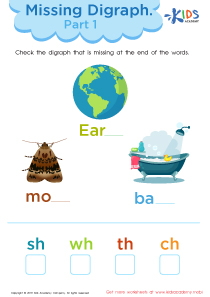
Boost your Grade 1 student's reading skills with our engaging Sight Word Recognition Worksheets focusing on three-letter phonics. These printable worksheets are designed to help young learners identify and read essential sight words through fun activities. By practicing with three-letter words, children will develop strong foundational skills that enhance their phonetic awareness and fluency. Each worksheet combines interactive exercises and colorful visuals to keep students motivated while learning. Ideal for home or classroom use, our resources align with educational standards, ensuring your child builds confidence and proficiency in their reading journey. Start fostering a love for reading today!
Favorites
With answer key
Interactive
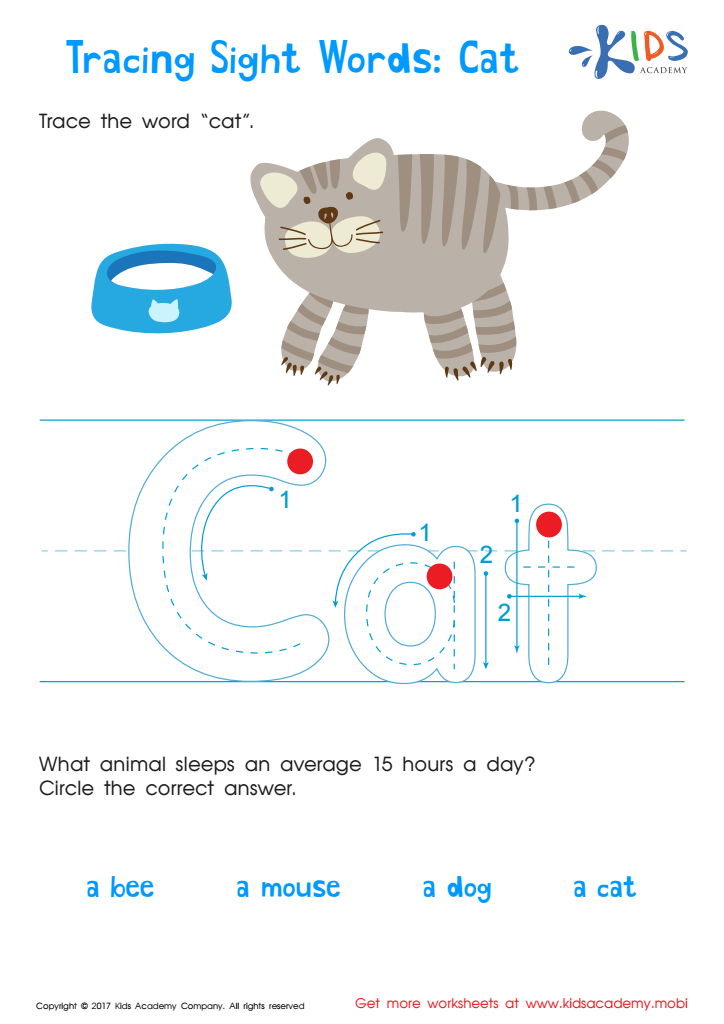
Cat Printable Sight Words Worksheet
Encourage your child's literacy with this fun sight words worksheet: cat PDF! It helps build a solid foundation for reading, featuring activities such as reading and tracing the word cat, and finding it amongst other sight words. With its cute cat, Kids Academy makes learning to read a delight!
Cat Printable Sight Words Worksheet
Worksheet
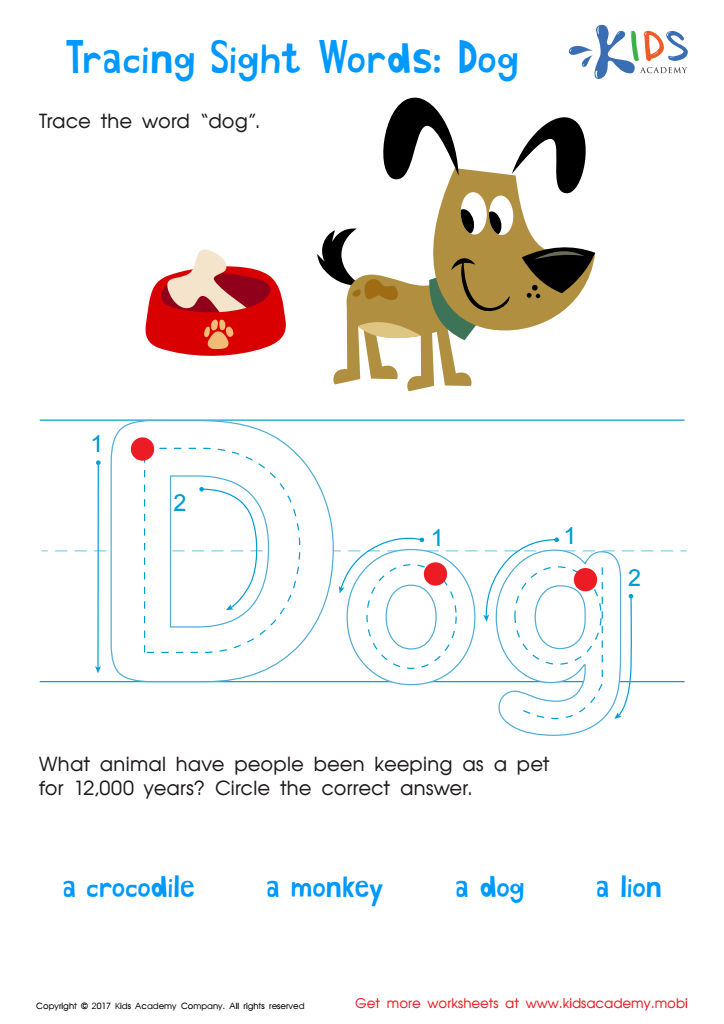
Dog Worksheet Sight Words Worksheet
Get your kids excited to read with our dog-themed sight words worksheet!
Excite your child to read with our sight words worksheet: dog edition! Featuring a lovable dog character to put a smile on any kid's face, this worksheet helps kids practice reading and writing the word "dog". Build a library of words they can read quickly and promote increasing literacy skills with early fluency! Get them ready for reading with our dog-themed sight words worksheet!
Dog Worksheet Sight Words Worksheet
Worksheet
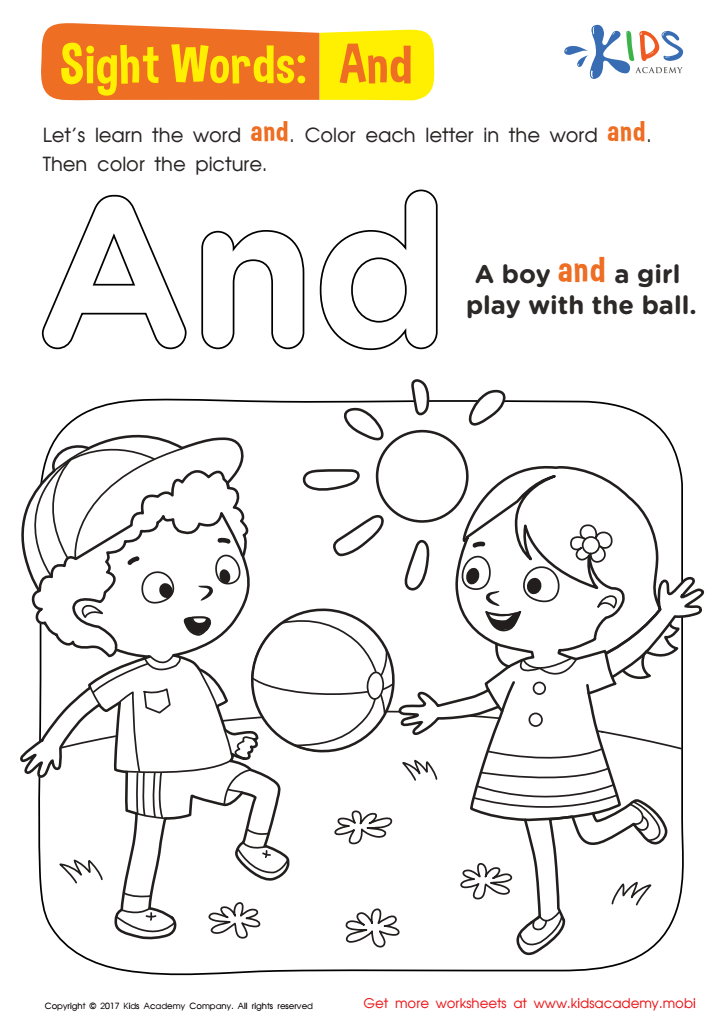
And Worksheet Sight Words Worksheet
Help your child get a jumpstart on reading with sight words! Print out this fun worksheet and get your child to read the sentence. Point out the word "and", then color the word and enjoy the rest of the scene! It's a great way to introduce sight words and get their early reading skills going!
Download (PDF)
 Assign to My Students
Assign to My Students
And Worksheet Sight Words Worksheet
Worksheet
Join Kids Academy for Free
Who is primarily going to use this learning content?


Sight word recognition and phonics are crucial components of early literacy, especially for first graders. Three-letter words serve as the building blocks of reading, making them essential for developing foundational skills. Parents and teachers should prioritize this area for several reasons.
Firstly, mastering sight words enhances reading fluency. When children recognize three-letter words quickly, they can read more smoothly, allowing them to focus on comprehension rather than decoding individual letters. This not only boosts confidence but also fosters a love for reading.
Secondly, understanding phonics supports vocabulary development. It helps children decode unfamiliar words, enabling them to engage with increasingly complex texts as they progress. By mastering phonics, students learn the relationship between sounds and letters, leading to improved spelling and writing skills.
Moreover, sight word and phonics practice can enhance communication skills. Children can express themselves better through both reading and writing, facilitating conversations and interactions. Involving parents in this learning reinforces the importance of literacy in daily life, creating a supportive environment that values reading.
In summary, sight word recognition and phonics are essential for first graders’ literacy development, laying the groundwork for future academic success. Both parents and teachers play a vital role in this critical learning phase.