Filters

28 filtered results

Clear all filters
Favorites
With answer key
Interactive

28 filtered results

Difficulty Level

Grade


Check out this FREE Grade 1 Trial Lesson on Tracing Letters!

Short and Long Vowel Sort

Favorites
With answer key
Interactive
  • Grade 1
  • Fine Motor Skills
  • Tracing Letters
Letter A Tracing Worksheet Preview

Letter A Tracing Worksheet

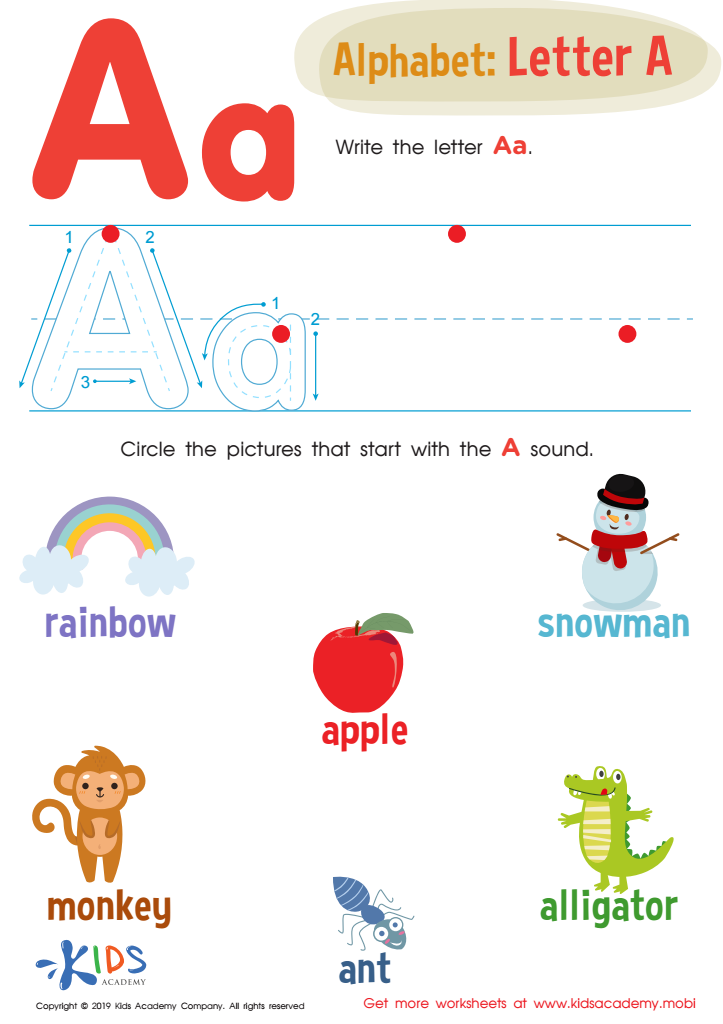
Learning the letter "A" is essential. This worksheet helps kids trace and write it, boosting their skill. They also circle pictures with the "A" sound, with both the word and picture provided. This helps them learn how to pronounce words like "apple" correctly.
Letter A Tracing Worksheet
Worksheet
letter F worksheets
letter F worksheets

Letter F Tracing Page

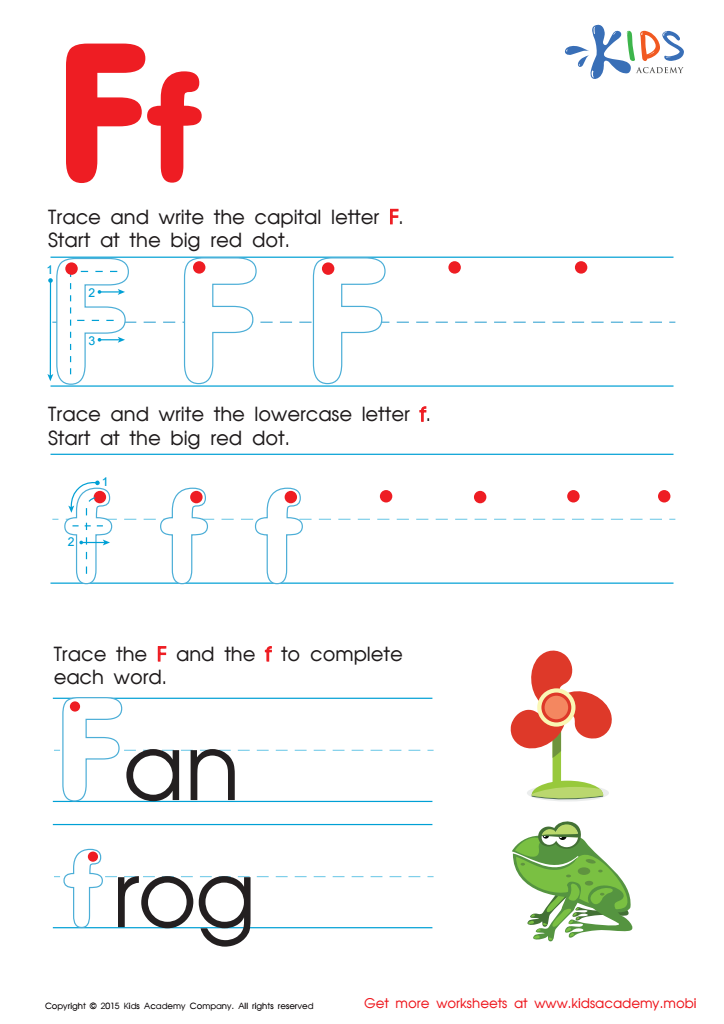
Trace "F" with your pencil! Start at the red dot and draw lines — it's fun! Check it out — it looks great! Keep practicing to make it even better. Then, try completing words. Help out the broken fan and funny frog! Get free alphabet worksheets and activities for your kids. Come see our new tracing pages!
Letter F Tracing Page
Worksheet
Letter T worksheets
Letter T worksheets

Letter T Tracing Page

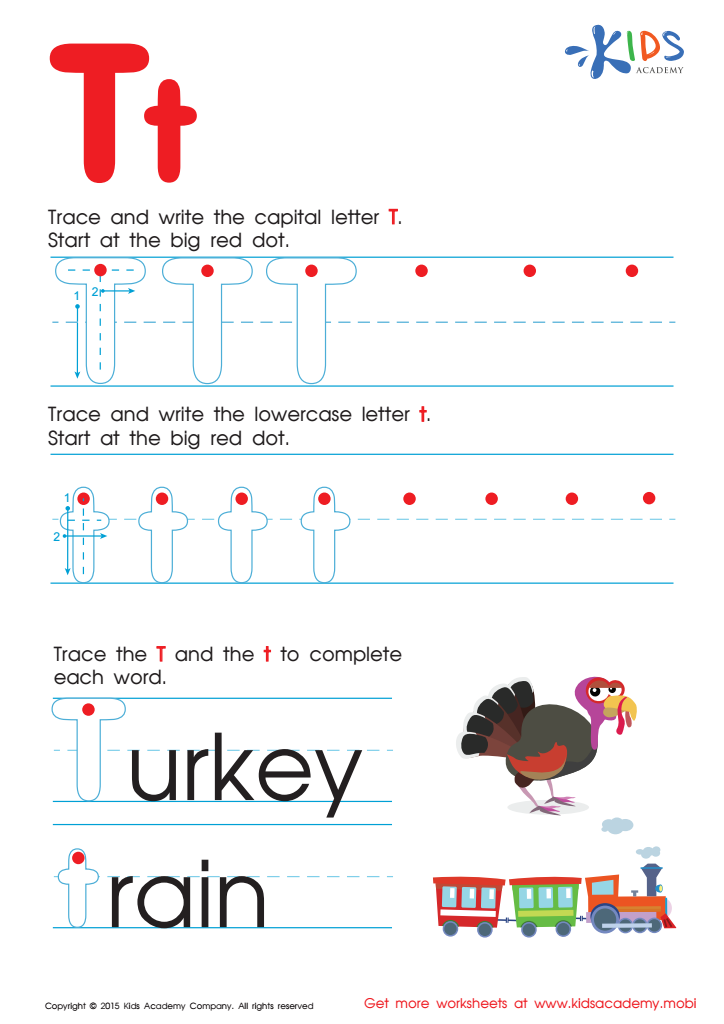
Trace letters, complete words, draw pictures and see your kids having fun! Kids Academy offers alphabet tracing worksheets to learn to write letters. Start with the big red dot, trace the letter, then write it. Practice uppercase and lowercase. Have fun completing words with a Turkey or a rain-train and draw pictures. Get more printable worksheets to make learning enjoyable.
Letter T Tracing Page
Worksheet
letter d worksheets
letter d worksheets

Letter D Tracing Page

Trace and write capital and lowercase letter "D" with our free printable alphabet worksheet! Be careful not to mix up "b" and "d" - just look at the ducks and write their first letter. The dolphin wants to join the fun too - do you like dolphins? Get more fun worksheets and activities at Kids Academy!
Letter D Tracing Page
Worksheet


Fine motor skills are essential for children’s overall development, particularly in grade 1, where they begin to write and engage in more complex tasks. Tracing letters helps young learners strengthen these skills, promoting hand-eye coordination, dexterity, and control over writing instruments. By developing fine motor skills through tracing, children gain confidence in their handwriting, which is vital for their academic success.

Teachers and parents should care about fine motor development because it not only affects a child's ability to write but also their performance in other areas of learning. Skills such as cutting, drawing, and even using utensils require fine motor precision, and tracing letters serves as a foundational exercise for these activities. Additionally, when children practice tracing, they familiarize themselves with letter shapes and sounds, thus reinforcing their literacy skills.

Furthermore, engaging in tracing activities can be a fun, interactive way for parents and teachers to bond with children, fostering a positive learning atmosphere. Encouraging these skills ultimately allows children to develop greater independence and increases their readiness for future academic challenges. Therefore, nurturing fine motor skills through tracing is crucial for a well-rounded and successful educational experience.