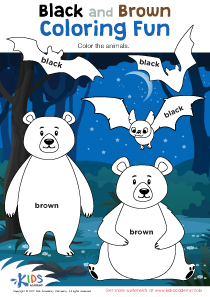
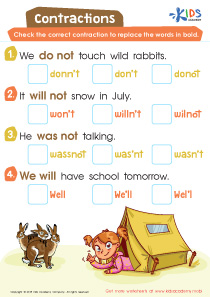
Vocabulary Building Grade 1 English for Beginners Worksheets
5 filtered results
-
From - To
Unlock your child's language potential with our "Vocabulary Building Grade 1 English for Beginners Worksheets"! Designed specifically for first graders, these engaging and interactive worksheets help young learners expand their vocabulary in a fun and effective way. Covering essential themes such as animals, colors, and everyday objects, our resources make learning enjoyable through vibrant illustrations and relatable content. Perfect for English as a Second Language (ESL) students, these worksheets encourage critical thinking and reinforce language skills. Help your child gain confidence and excel in their language journey today! Explore our comprehensive collection and empower your young learner with essential vocabulary knowledge.
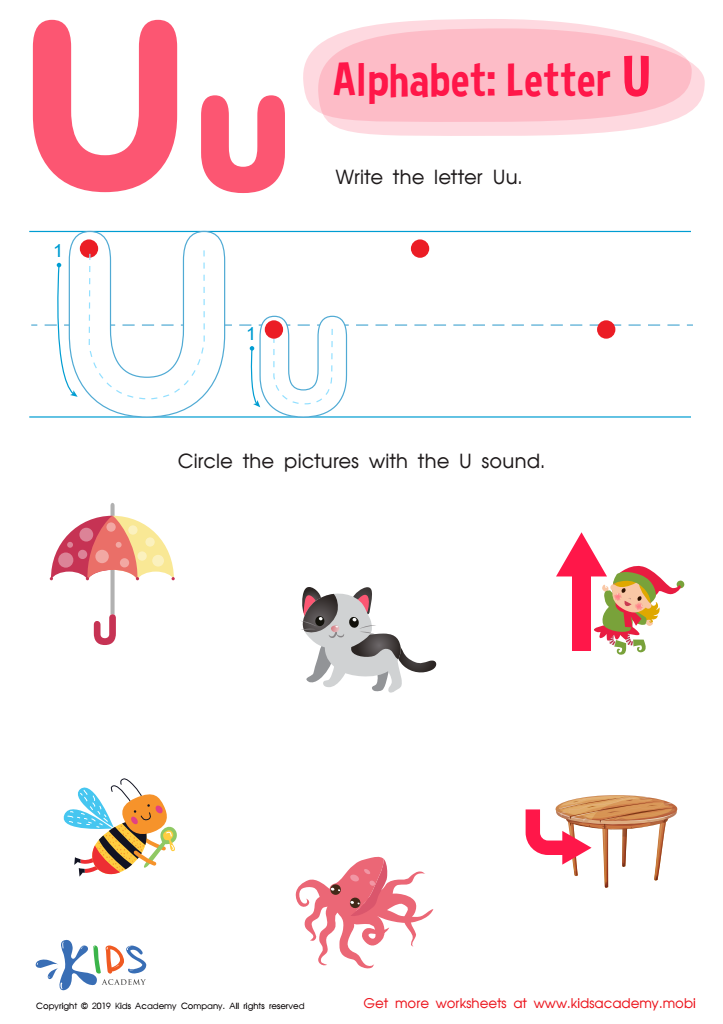
Letter U Tracing Worksheet
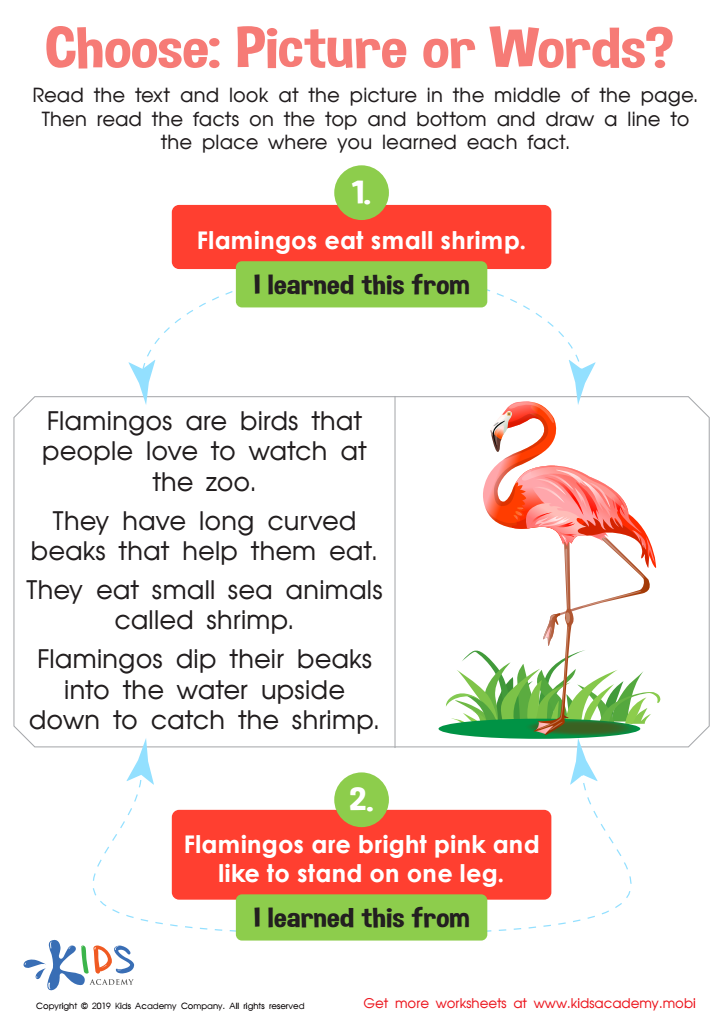
Choose Picture Words Worksheet
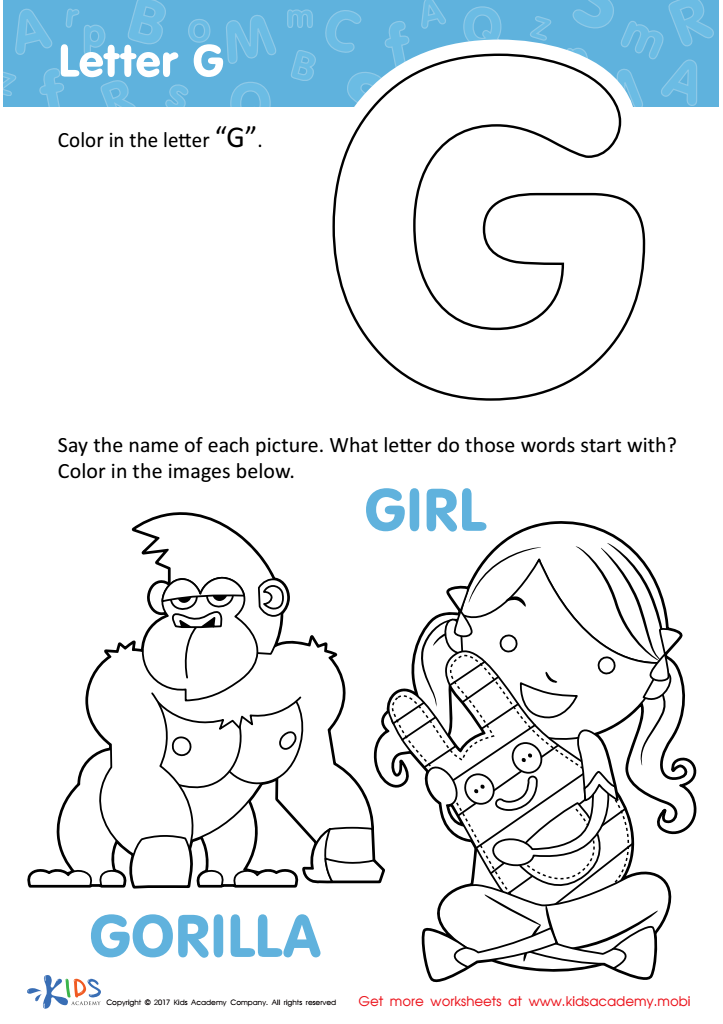
Letter G Coloring Sheet
 Assign to My Students
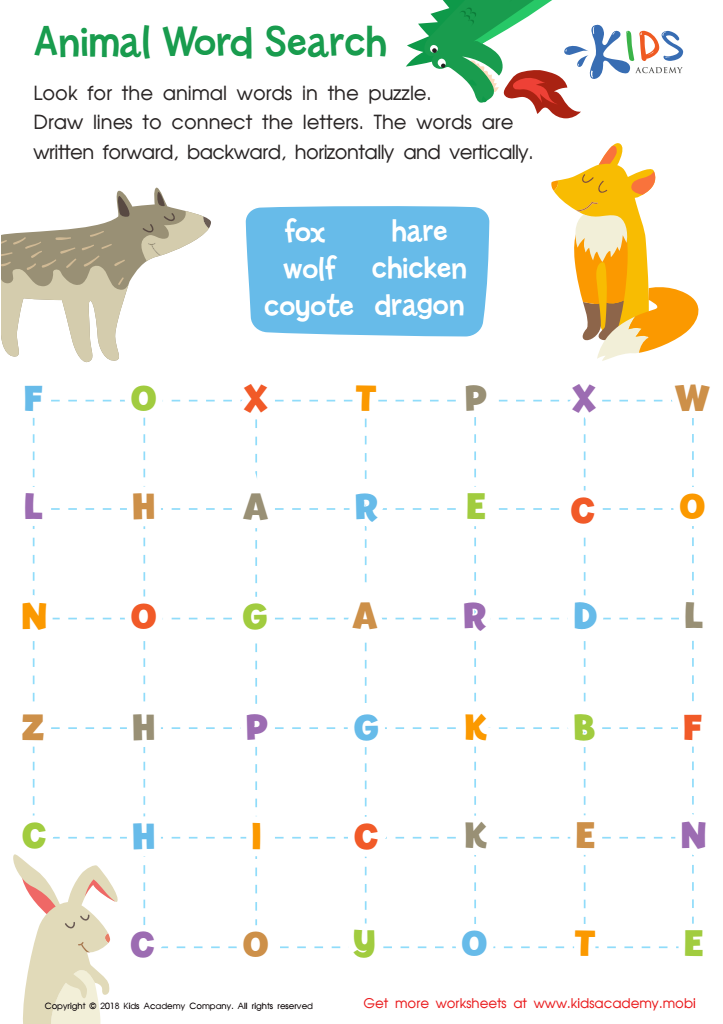
Animal Word Search Worksheet
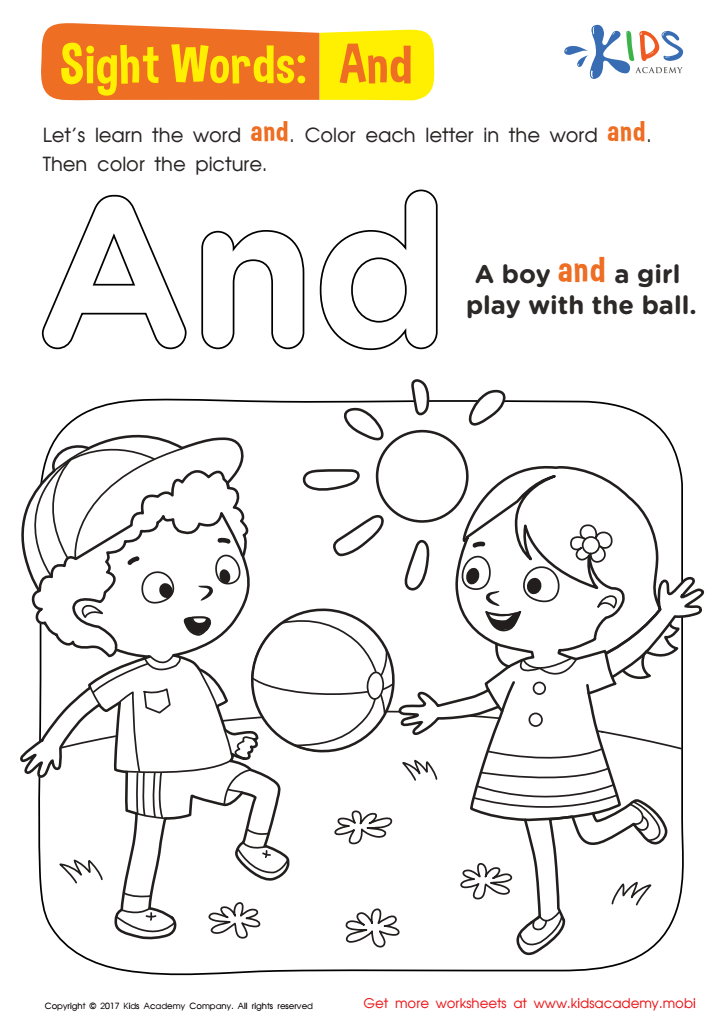
And Worksheet Sight Words Worksheet
Assign to My Students


Vocabulary building in Grade 1 English is essential for young learners as it lays the foundation for effective communication and overall literacy development. At this stage, children are beginning to connect sounds with letters and words, and a strong vocabulary enables them to better understand what they read and hear. This not only boosts their comprehension skills but also enhances their ability to express thoughts and feelings clearly.
Moreover, early vocabulary acquisition can positively influence academic success across subjects. A rich vocabulary helps students to tackle more complex texts as they advance in their education, aiding them in areas such as reading, writing, math, and science. When parents and teachers prioritize vocabulary development, they provide students with tools to engage in discussions, make informed decisions, and develop critical thinking skills.
Additionally, strong vocabulary skills can foster self-confidence in young learners, encouraging them to ask questions, share ideas, and participate in classroom activities. By focusing on vocabulary building, educators and caregivers support holistic growth, ensuring children become competent and confident communicators, ready to navigate their educational journeys and the wider world. Therefore, investing time and resources in vocabulary development is crucial for sending children down a path of lifelong learning.