Fine Motor Skills Grade 1 Logic and Early Math Worksheets
4 filtered results
-
From - To
Unlock your child's potential with our "Fine Motor Skills Grade 1 Logic and Early Math Worksheets." Designed to enhance brain development and dexterity, these printables provide engaging activities that make learning fun. Perfect for first graders, our worksheets combine logic, early math concepts, and fine motor skills exercises to create a holistic educational experience. From solving puzzles to tracing numbers, each activity helps improve hand-eye coordination, problem-solving abilities, and essential math readiness. Ideal for both classroom and at-home use, start your child on the path to academic success with Kids Academy's expertly crafted resources.

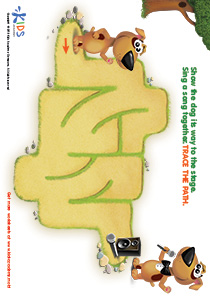
Trumpeter Maze Worksheet
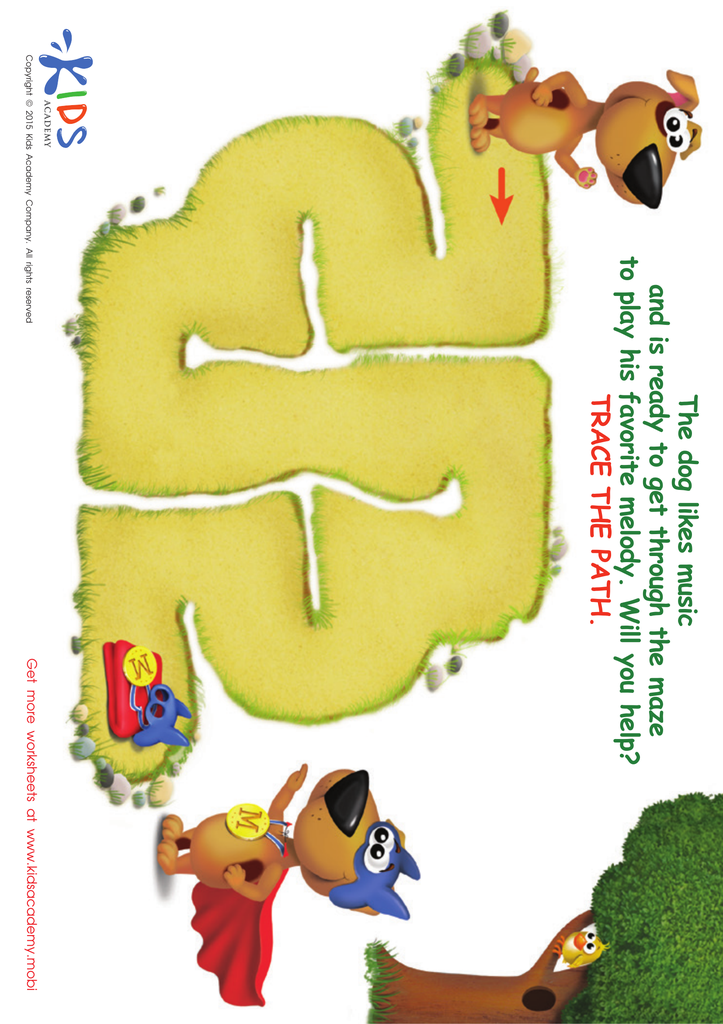
Superman Maze Worksheet
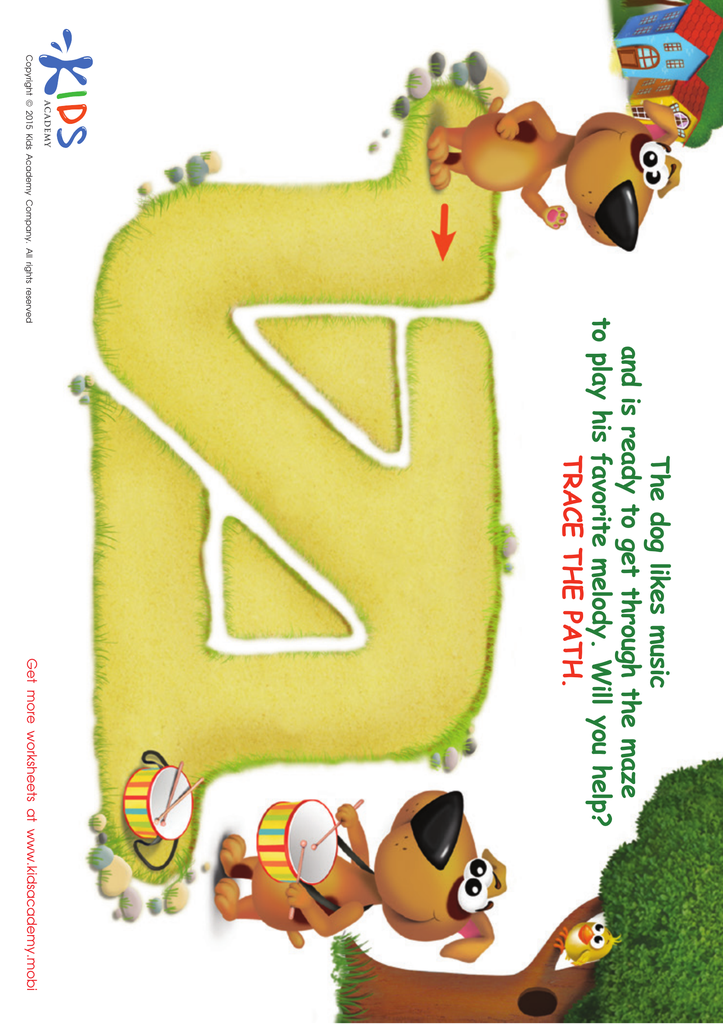
Drummer Maze Worksheet

Tennis Player Maze Worksheet



Fine motor skills, foundational logic, and early math concepts are crucial areas of development in first graders, and here's why parents and teachers should focus on them. Fine motor skills involve the coordination of small muscles, particularly those in the hands and fingers, enabling children to perform tasks such as writing, cutting, buttoning shirts, and tying shoelaces. These skills are essential for children to gain independence and perform everyday activities effortlessly.
Incorporating fine motor skills into learning not only helps with hand-eye coordination and dexterity but also paves the way for effective handwriting, which is a crucial form of communication. Performing these small motor tasks strengthens muscles and can improve overall school performance, fostering children's confidence.
Logic is fundamental in helping children develop critical thinking and problem-solving abilities. Early math introduces patterns, shapes, numbers, and basic arithmetic in an engaging, age-appropriate manner. These skills are essential as they create a scaffold for more advanced math later on and are directly related to how children navigate and interpret the world around them.
Parents and teachers play an essential role by integrating activities that promote these skills in daily routines and school curriculums. By doing so, they not only support children’s academic growth but also enhance their cognitive, physical, and social development. Prioritizing these areas sets a strong foundation for lifelong learning and everyday proficiency.