Enhancing vocabulary Grade 1 Building Vocabulary Worksheets
4 filtered results
-
From - To
"Enhancing Vocabulary Grade 1 Building Vocabulary Worksheets" are designed to support first graders in expanding their word knowledge. Our expertly crafted worksheets feature engaging activities that make learning new words fun and effective. Each sheet challenges young learners to understand and use new vocabulary in various contexts, reinforcing word usage, and spelling through repetition and creative exercises. Perfect for classroom use or at-home practice, these resources provide the foundation for strong reading comprehension skills essential for academic success. Help your child or students build a robust vocabulary with our carefully developed worksheets tailored to meet the needs of early readers.
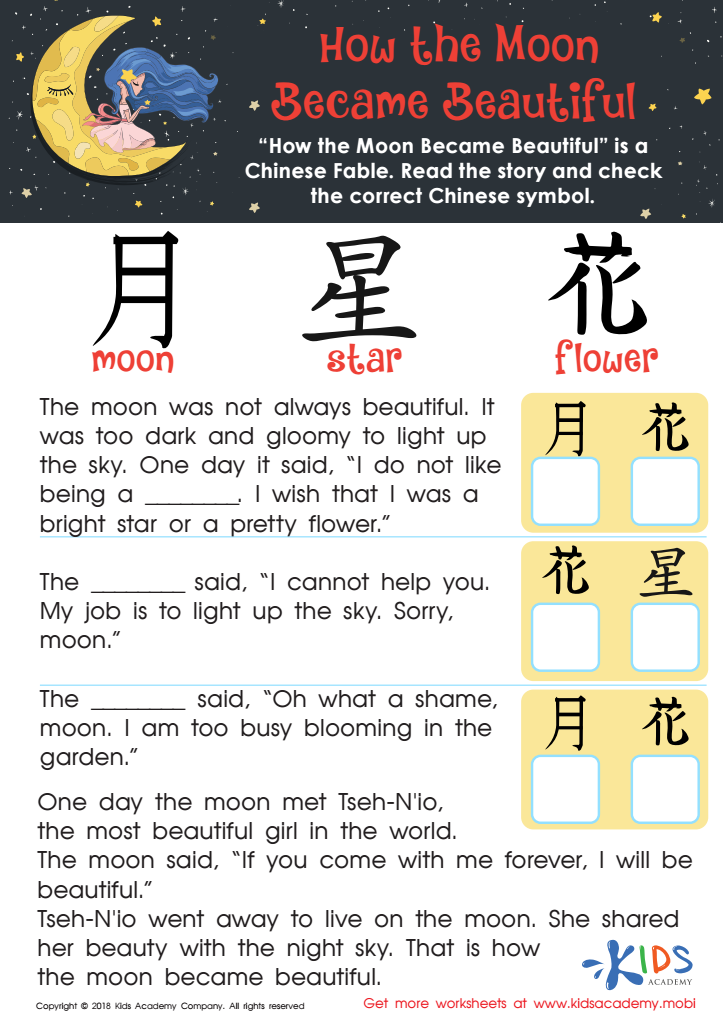
How the Moon Became Beautiful Worksheet
 Assign to My Students






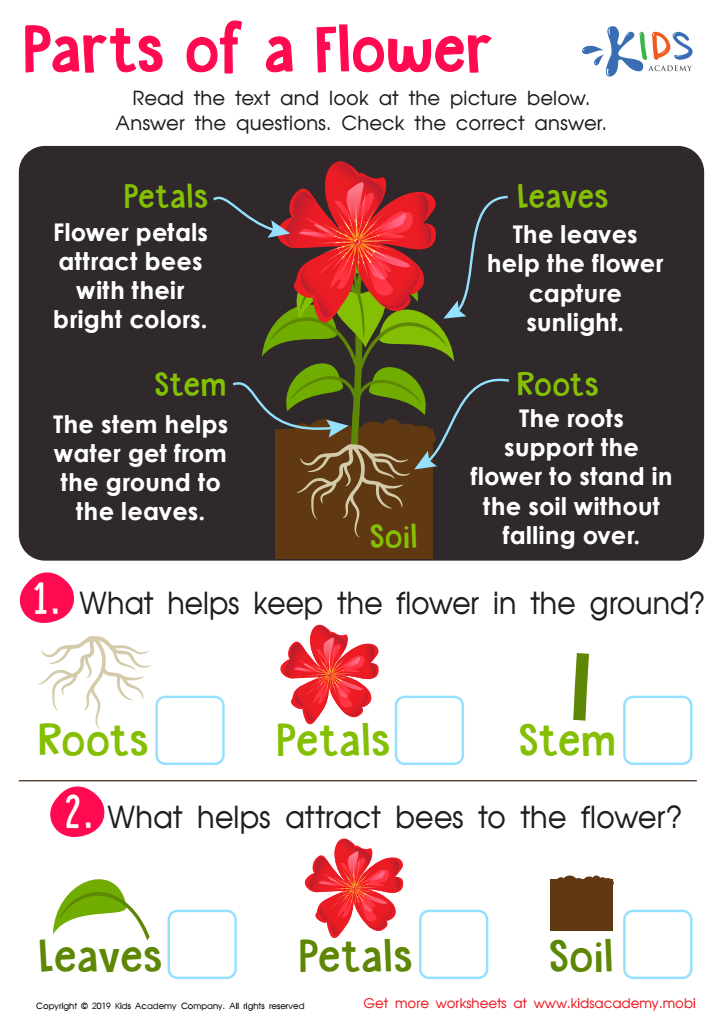
Parts of Flower Worksheet
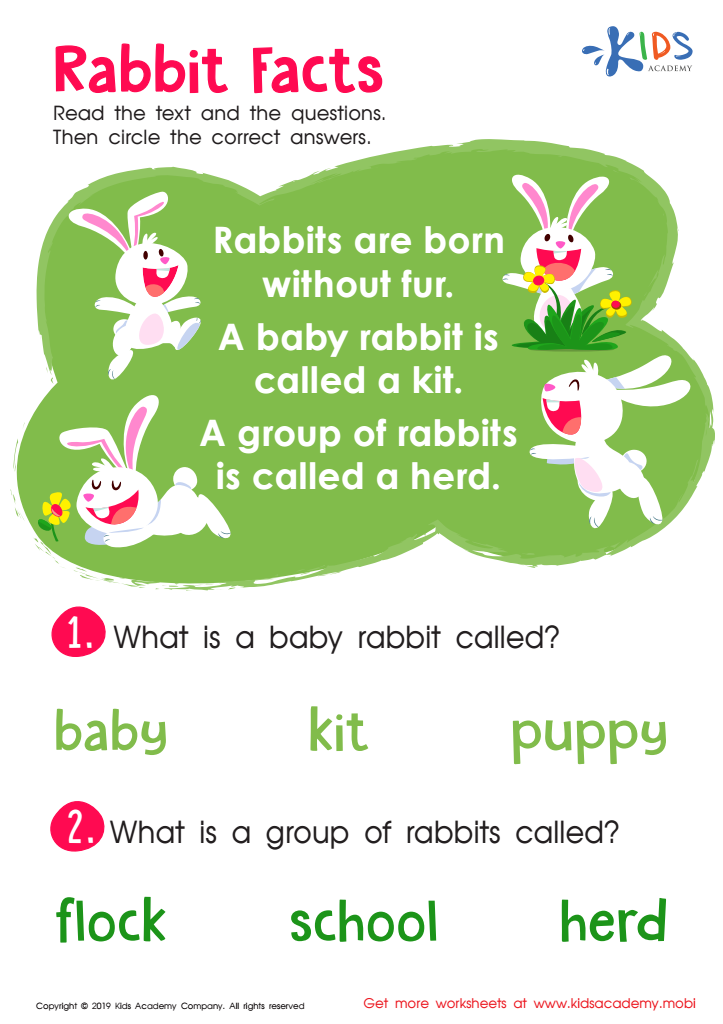
Rabbit Facts Worksheet
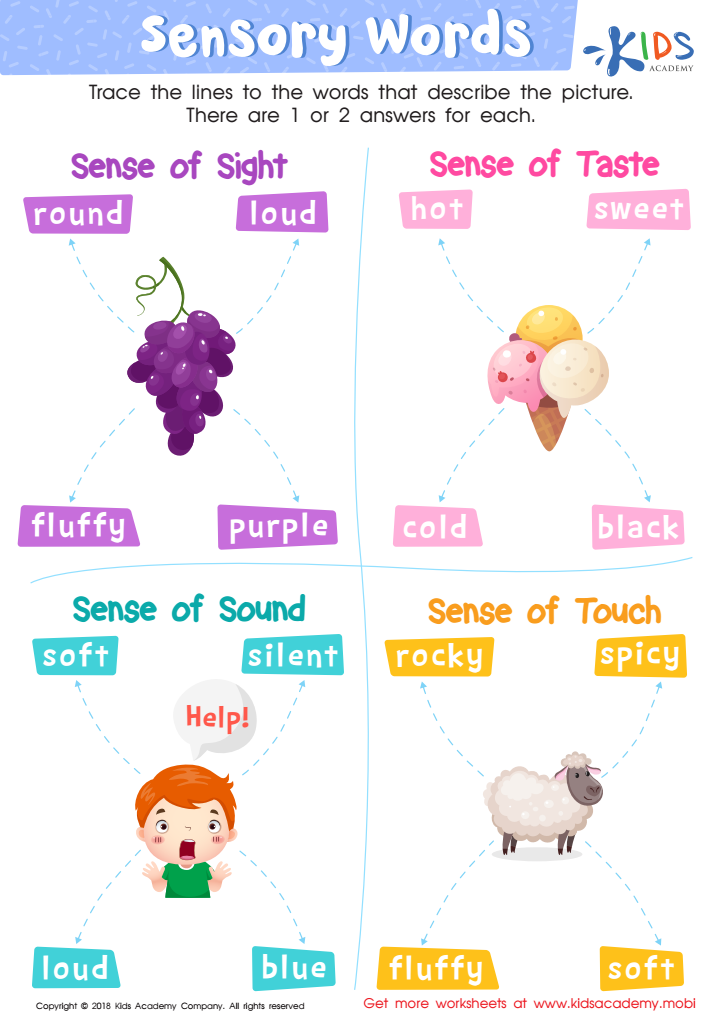
Sensory Words Worksheet








Enhancing vocabulary in Grade 1 is vital for laying a solid educational foundation. In early childhood, children are in a critical period of cognitive development where their brains are exceptionally receptive to learning new words. A robust vocabulary supports not only language and literacy development but also overall academic achievement and social-emotional growth.
When parents and teachers prioritize building vocabulary, they equip children with the tools needed to understand and express complex ideas, which is essential for reading comprehension and effective communication. A rich vocabulary enables children to engage more deeply with texts, fostering a love for reading and encouraging lifelong learning. It also aids in writing proficiency, allowing children to articulate their thoughts clearly and creatively.
Moreover, strong verbal skills contribute to better problem-solving and logical thinking as children can grasp, analyze, and discuss new concepts more efficiently. It influences social skills by enhancing children’s ability to share their ideas confidently and interact positively with peers and adults.
In essence, investing time and effort into vocabulary development in Grade 1 sets children on a path toward academic success and personal growth. It builds a strong linguistic foundation that supports all other learning areas, underscoring why parents and teachers should prioritize this aspect of early education.