Fine Motor Skills Grade 1 Reading Worksheets - Page 2
29 filtered results
-
From - To
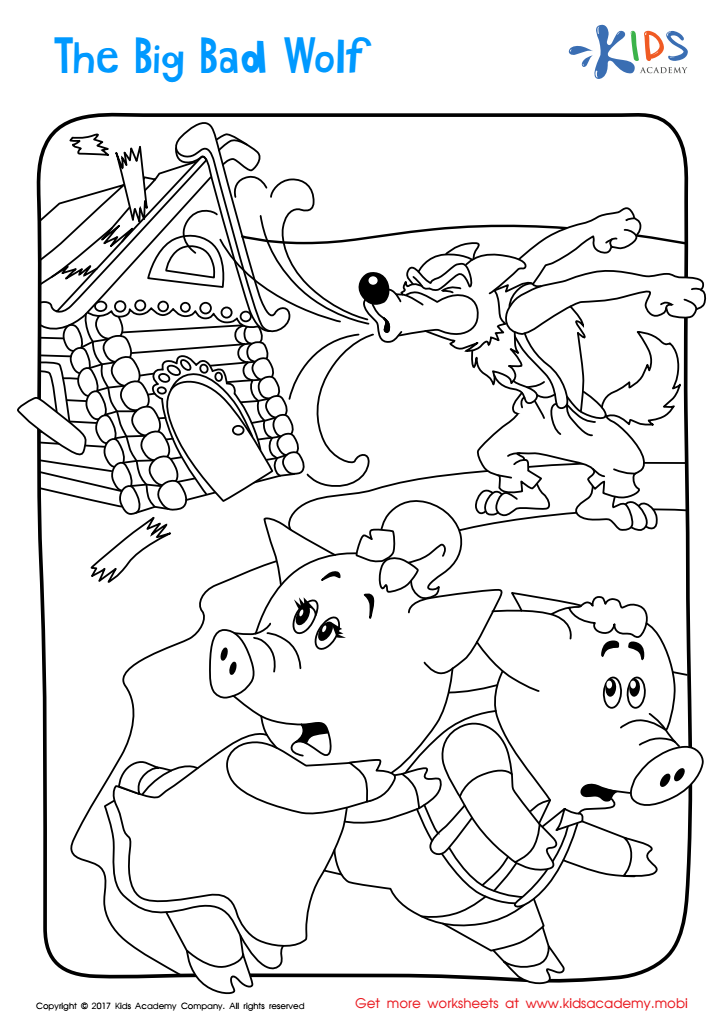
Big Bad Wolf Printable Coloring Page
 Assign to My Students
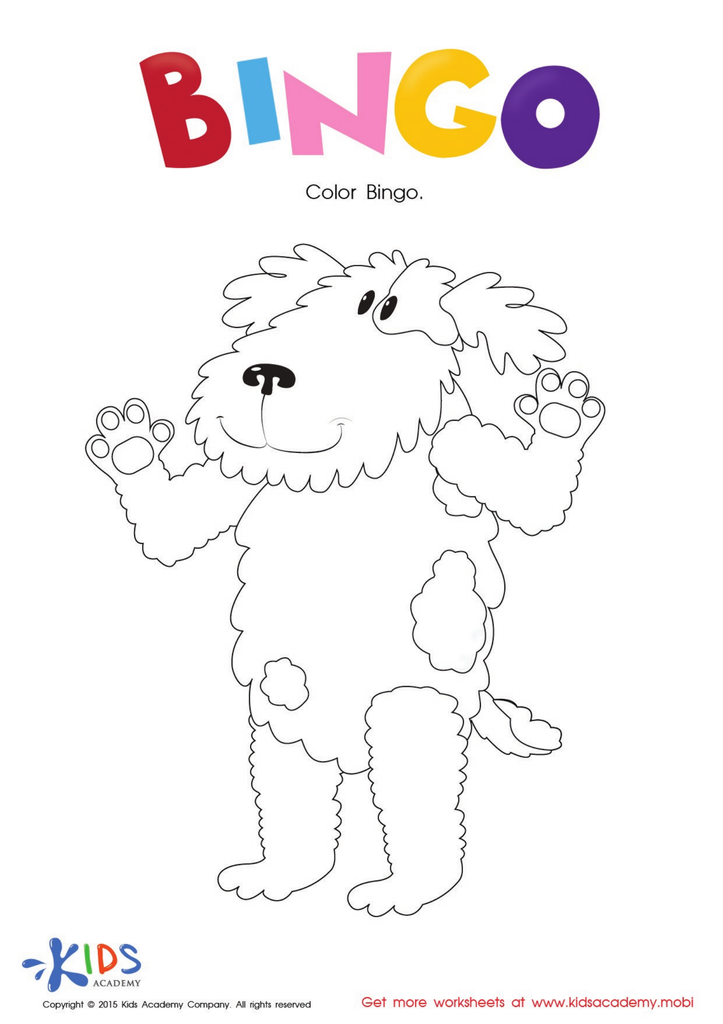
The Bingo Song: Coloring The Dog Worksheet
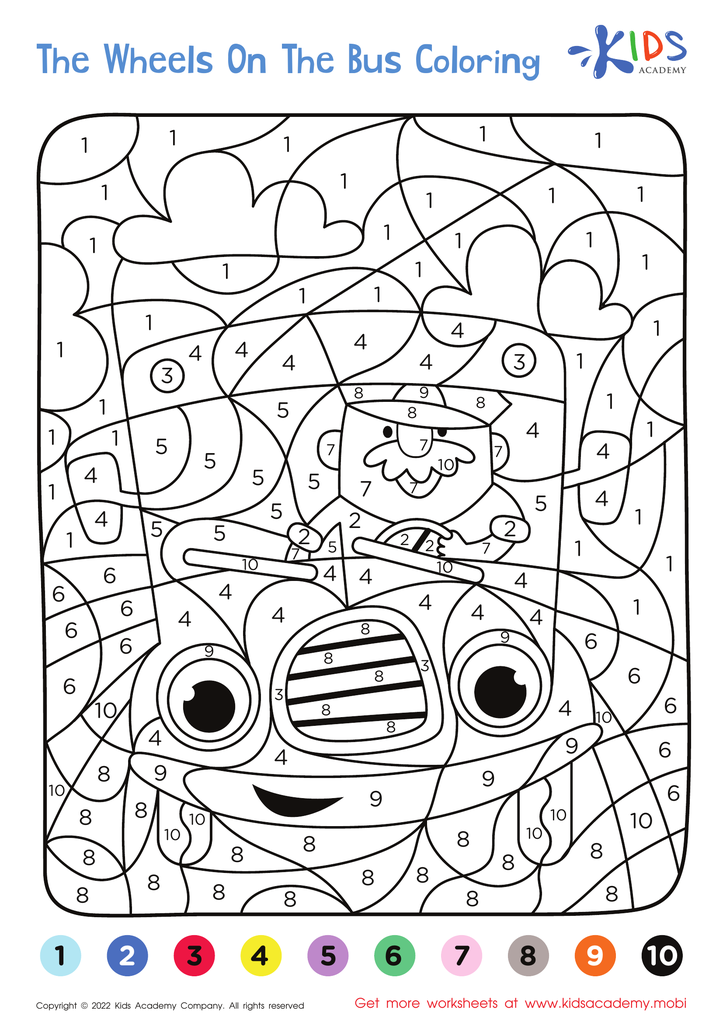
Wheels on the Bus – Coloring by Numbers
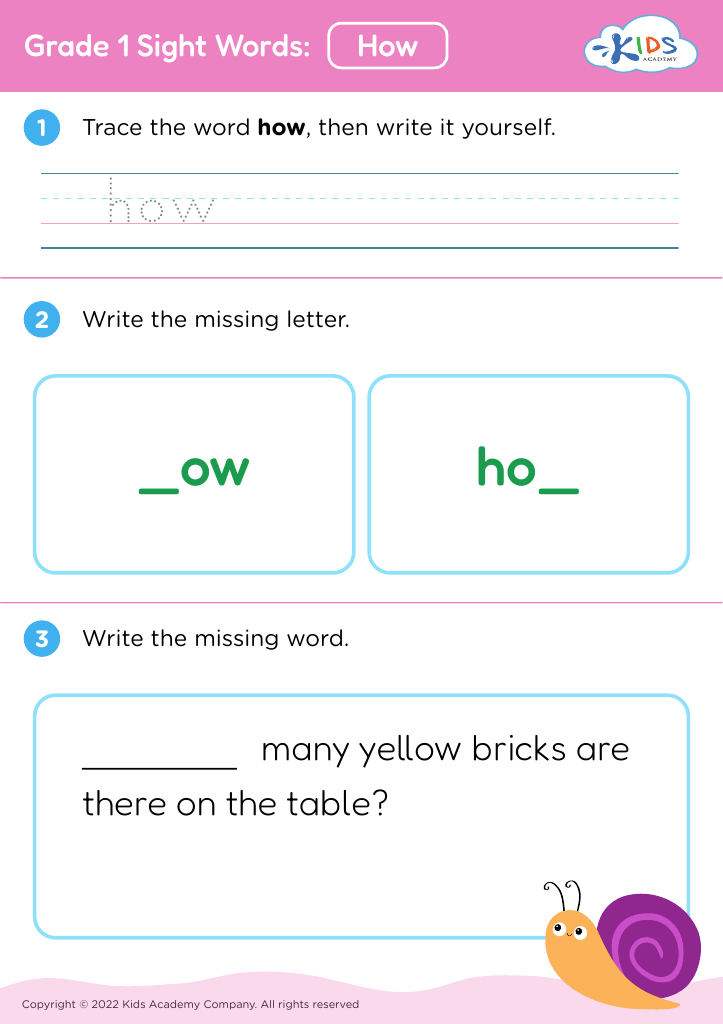
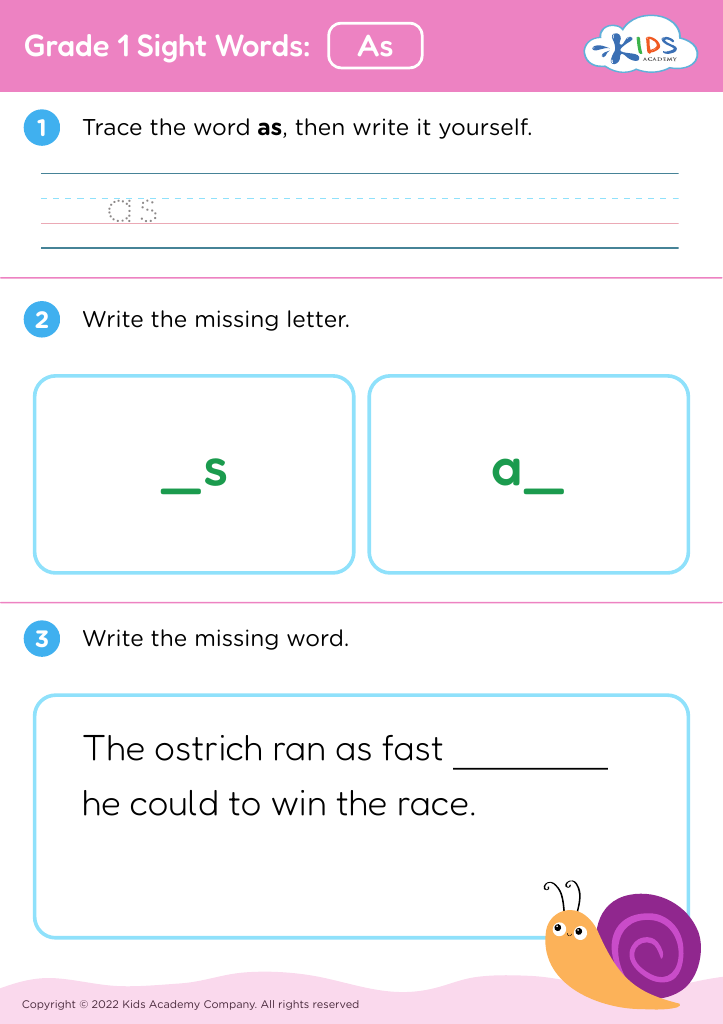



.jpg)



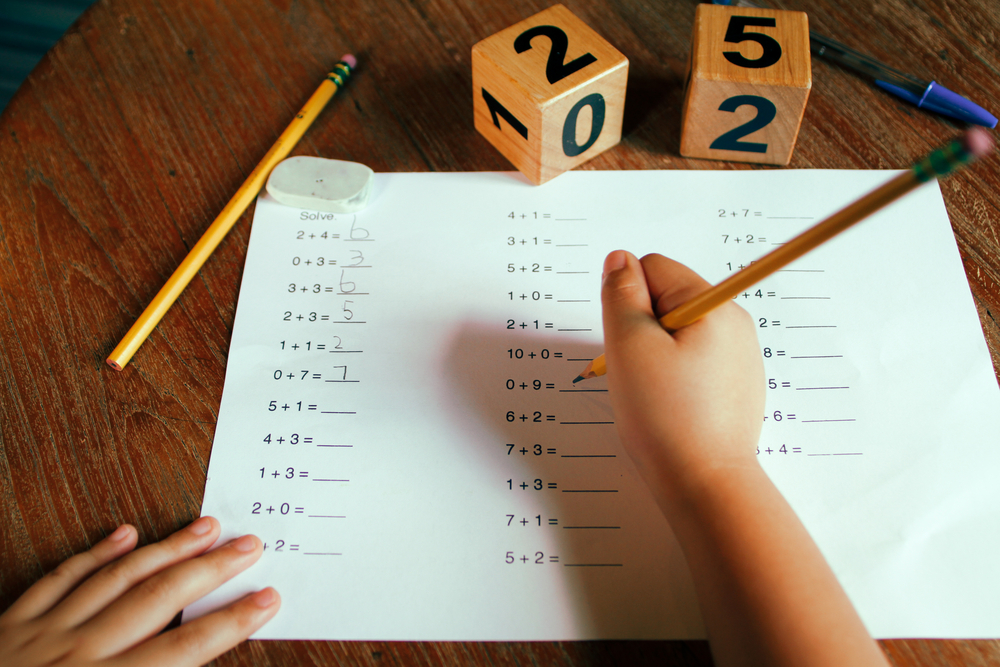
Fine motor skills are crucial for first-grade students as they bridge the gap between physical coordination and cognitive development. These skills involve the coordination of small muscles, particularly in the hands and fingers, necessary for tasks like writing, cutting with scissors, buttoning clothes, and tying shoelaces. By fostering fine motor skills, parents and teachers lay a foundation for a child's success in reading and other academic pursuits.
First-graders are at a critical age where they transition from learning to read to reading to learn. Fine motor skills play an important role in this process. For instance, being able to control a pencil efficiently helps children write letters and words clearly, making it easier to practice reading through writing. Activities that develop fine motor skills, such as drawing shapes or connecting dots, help improve hand-eye coordination, which is vital for tracking text while reading.
Furthermore, fine motor development can boost self-confidence and independence, as children become more adept at performing daily tasks. This confidence often translates into increased engagement and motivation in the classroom. Early intervention in refining these skills can prevent future academic struggles, ensuring that children not only keep up with their peers but also foster a positive attitude towards reading and learning in general.
Thus, cultivating fine motor skills in first grade ensures a holistic approach to a child's education, impacting their literacy, independence, and overall development.