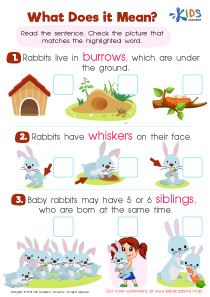
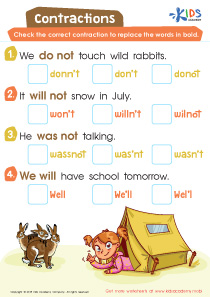
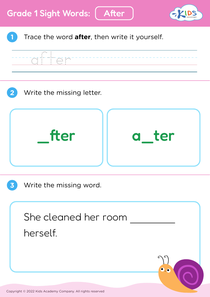
Animal identification Grade 1 Reading Non-Fiction Worksheets
3 filtered results
-
From - To
Discover our engaging Animal Identification Grade 1 Reading Non-Fiction Worksheets! Designed specifically for young learners, these worksheets enhance reading skills while introducing students to various animals and their unique characteristics. Each activity encourages critical thinking as children explore different species through visually appealing illustrations and informative text. Ideal for reinforcing comprehension, vocabulary acquisition, and the excitement of discovery, these resources make learning about the animal kingdom fun and interactive. Perfect for classroom use or at-home learning, our worksheets align with grade-level standards to support your child's educational journey. Dive into the world of animals and ignite a love for reading today!
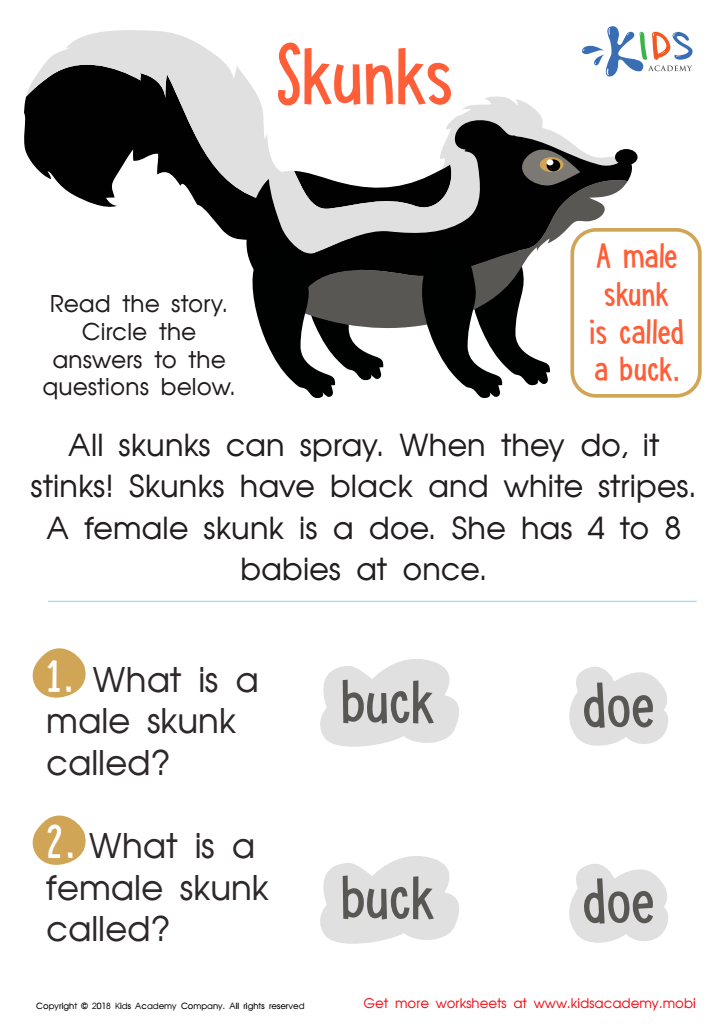
Skunks Worksheet
 Assign to My Students
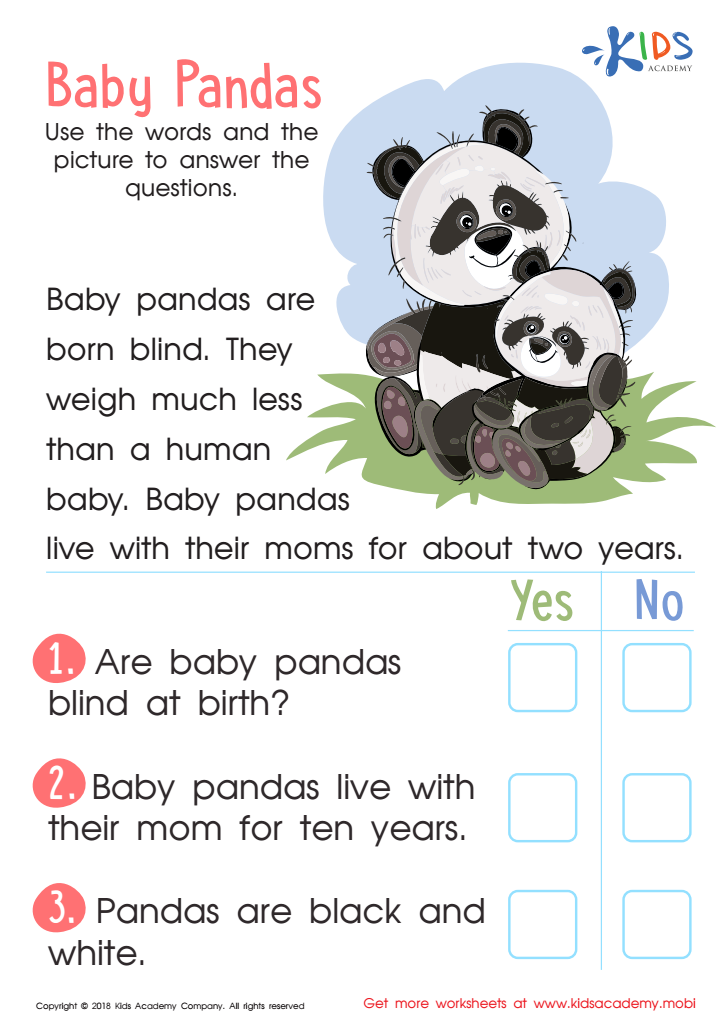
Baby Pandas Worksheet
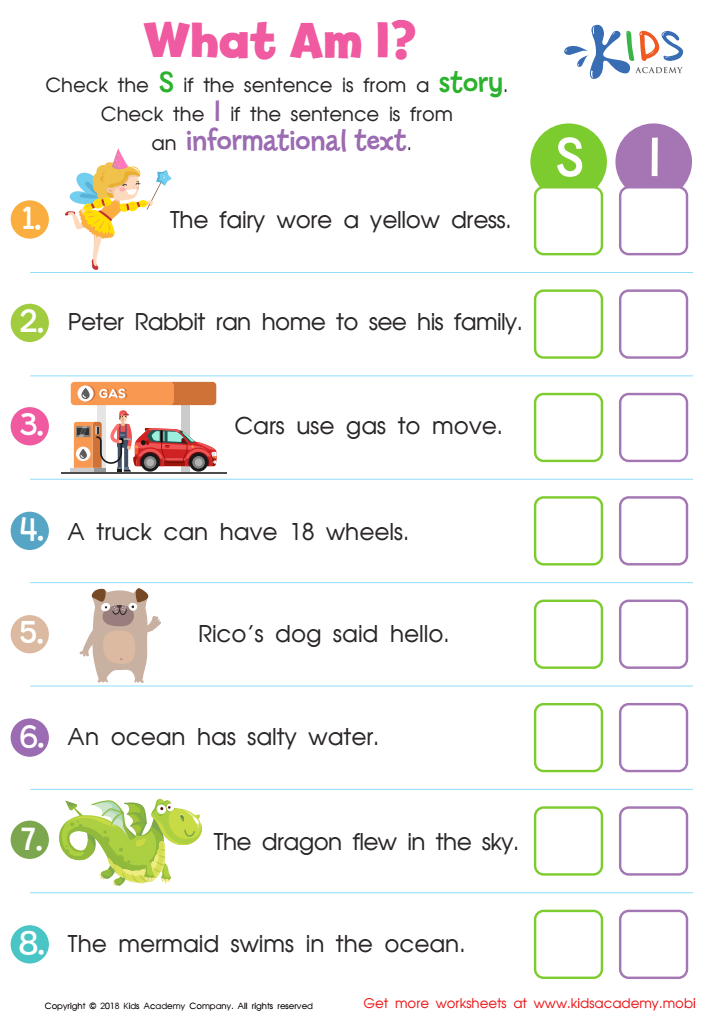
What Am I? Worksheet



Parents and teachers should care about early exposure to animal identification in Grade 1 non-fiction reading for several reasons. First, it fosters a love for nature and science among young learners, encouraging curiosity about the world around them. This foundational knowledge can lead to a lifetime appreciation for animals, biodiversity, and conservation.
Additionally, learning to identify animals enhances observational skills. Young children develop critical thinking as they compare and contrast different species based on characteristics like size, color, and habitat. These skills are essential for their overall cognitive development and can be applied across various subjects in school, promoting a well-rounded education.
Furthermore, animal identification ties into important topics such as environmental awareness and responsibility. Understanding the roles animals play in our ecosystem helps children grasp the interconnectedness of life and the importance of protecting wildlife.
Incorporating animal identification in reading not only supports literacy development through engaging texts and vocabulary but also helps cultivate empathy and respect for living beings. Finally, these lessons can spark engaging conversations at home and in the classroom, fostering a community where learning is connected to real-life experiences. Hence, supporting this type of reading is beneficial for both educational growth and personal development.