Color recognition Extra Challenge Math Worksheets for Ages 3-4
3 filtered results
-
From - To
Unlock your child's potential with our Color Recognition Extra Challenge Math Worksheets designed for ages 3-4. These engaging worksheets not only make learning fun but also enhance your child's ability to identify and differentiate colors through exciting math activities. Perfectly tailored for young learners, these challenges stimulate critical thinking and reinforce foundational math skills. Your little one will enjoy a variety of exercises, from counting colorful objects to matching colors with numbers, all while developing dexterity and focus. Foster a love for learning and help your child gain confidence in their abilities with these captivating worksheets available at Kids Academy!
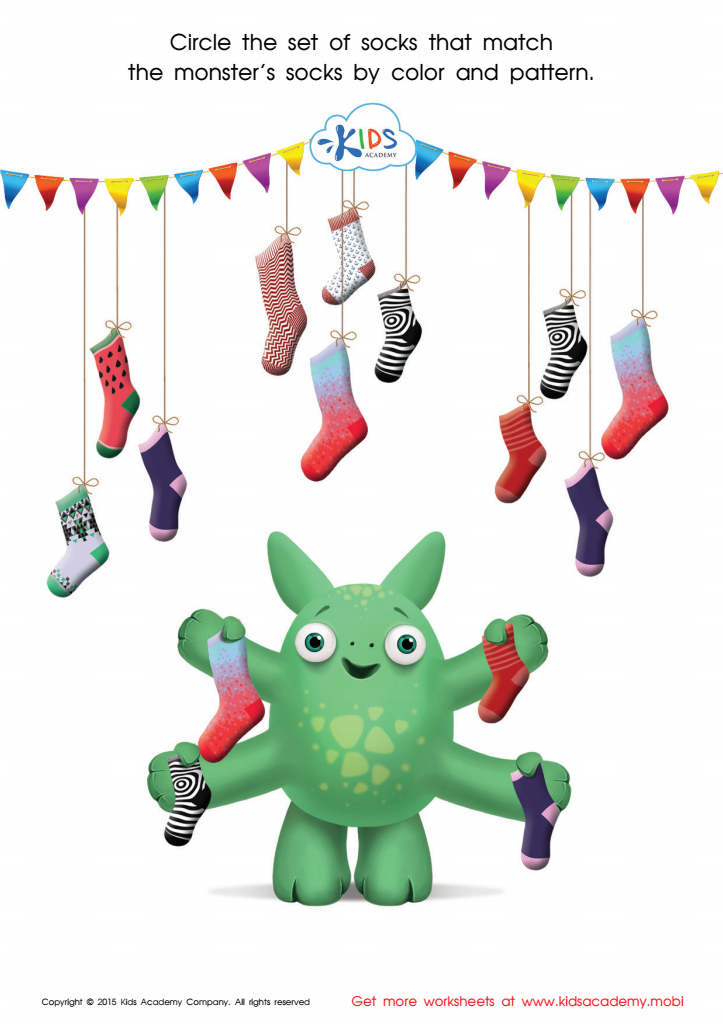
Sort the Monster's Socks Worksheet
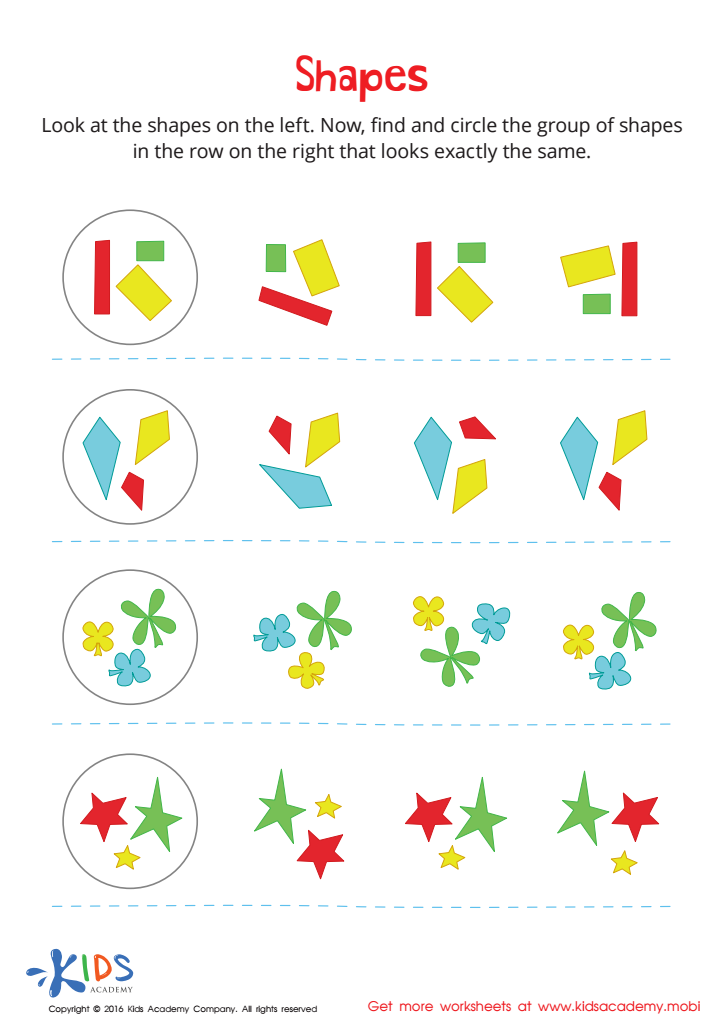
Shapes Worksheet
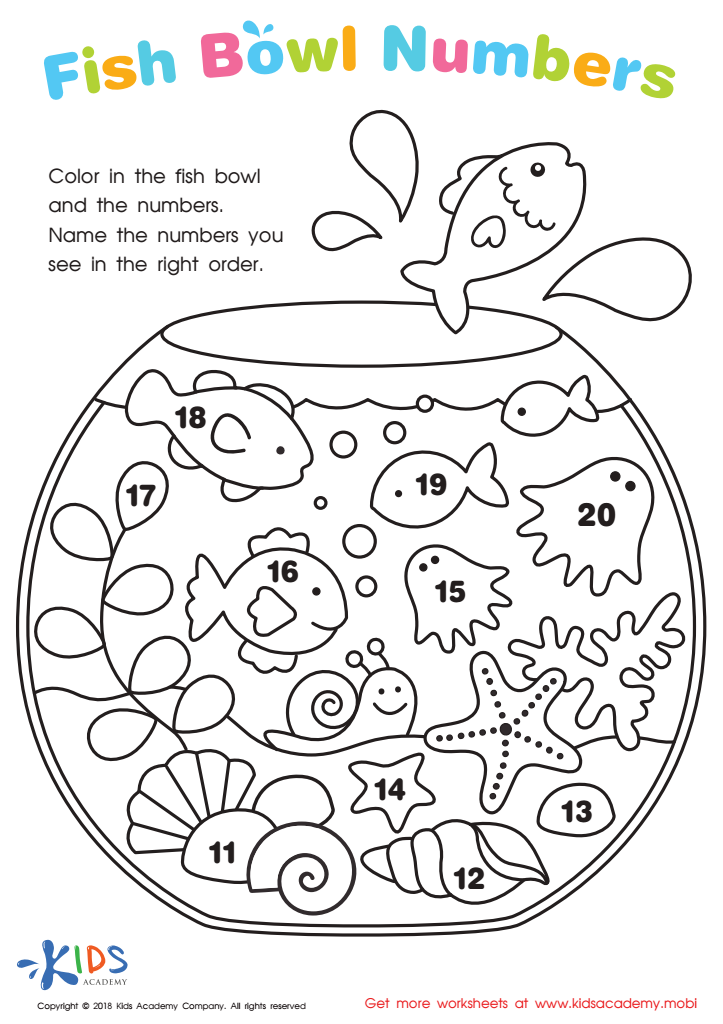
Fish Bowl Numbers Worksheet
 Assign to My Students








Color recognition is a fundamental skill for children ages 3-4 that plays an essential role in their overall cognitive development. For parents and teachers, understanding its importance in the context of Extra Challenge Math can enhance children's learning experiences. At this age, recognizing colors helps children categorize, distinguish, and sort objects, providing a foundation for mathematical concepts.
Engaging with color recognition through fun, educational activities allows children to develop essential pre-math skills, such as counting, matching, and patterning. When color activities are combined with math challenges, children become more adept at visualizing problems, making connections, and exploring spatial awareness. This early integration promotes critical thinking and problem-solving abilities that will benefit children's education in the long run.
Moreover, addressing color recognition fosters creativity and self-expression through art and interactive play, enriching the learning environment. For teachers and parents, facilitating these extra challenges encourages collaboration, builds confidence, and reinforces a lifelong love for learning. By valuing color recognition and its relationship with math, they can create a more engaging and supportive educational experience, ensuring children are well-prepared for future academic success. Investing in these skills during early childhood has lasting implications for their intellectual growth and academic achievements.