Vocabulary Building Extra Challenge Reading Worksheets for Ages 3-4
3 filtered results
-
From - To
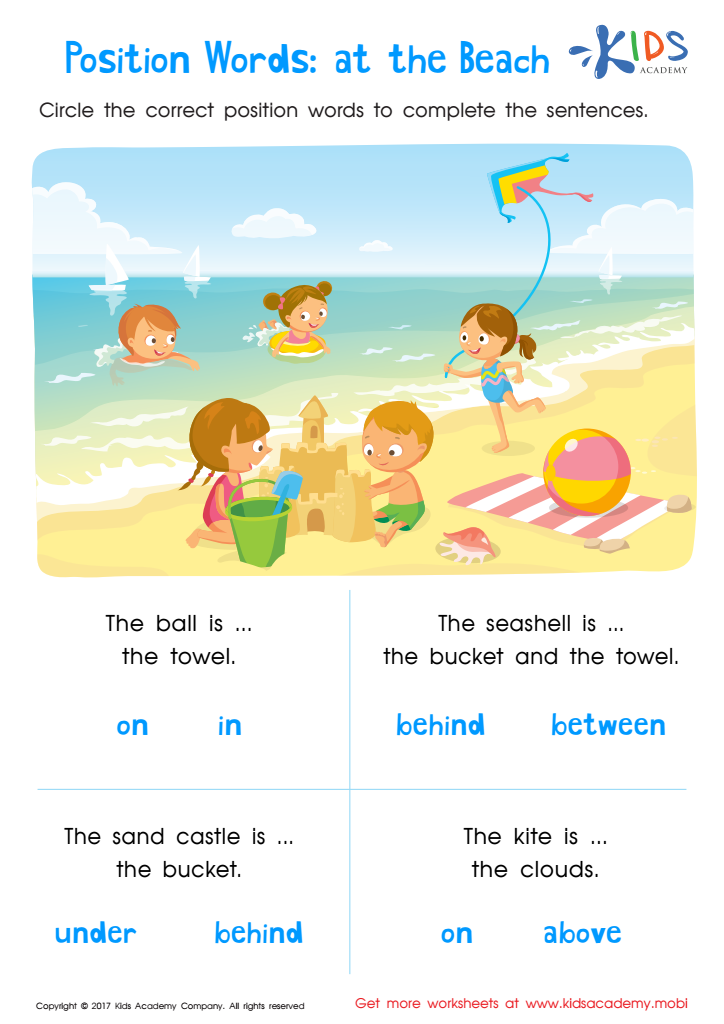
Enhance your child's vocabulary development with our engaging Vocabulary Building Extra Challenge Reading Worksheets for ages 3-4! This collection of printable worksheets is designed to captivate young minds, promoting language skills through fun and interactive activities. Each worksheet features colorful images and age-appropriate exercises that encourage early learners to recognize and use new words effectively. By exploring various themes, children will expand their understanding of language while refining their reading comprehension abilities. Ideal for parents and educators, these worksheets provide an excellent resource for fostering foundational literacy skills. Get started today and watch your child's vocabulary flourish!
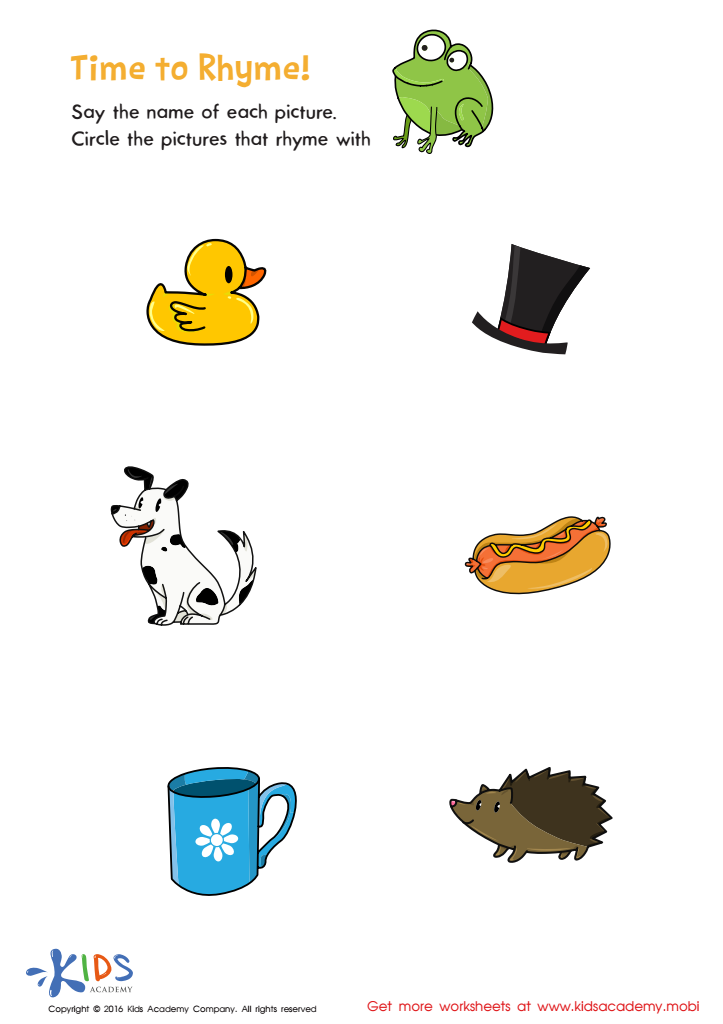
Rhyming Worksheet: Time to Rhyme Rhyming Worksheet
 Assign to My Students
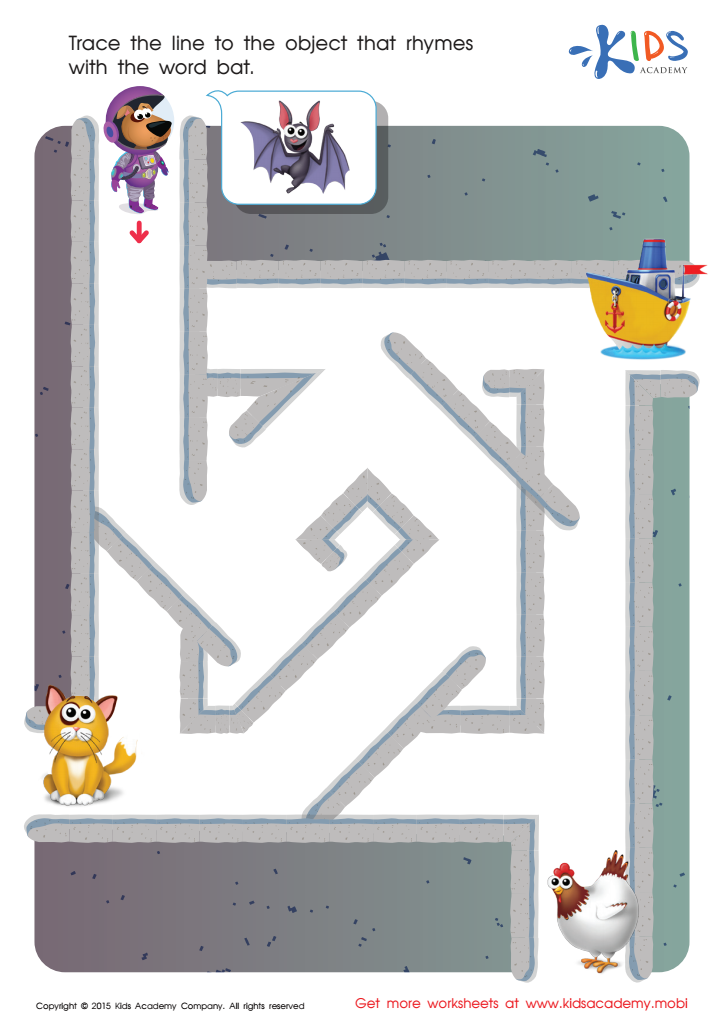
Bat Rhyming Words Worksheet






Parents and teachers should prioritize vocabulary building for children aged 3-4 because this stage is critical for language development. A rich vocabulary enhances children's ability to communicate effectively, express themselves, and understand others. Engaging in extra challenge reading activities fosters not just word recognition, but also comprehension and critical thinking skills.
At this age, children are naturally curious and eager to learn. By introducing diverse and challenging vocabulary through storybooks, songs, and interactive reading sessions, we can ignite their interest in language and literacy early on. Children who develop strong vocabulary skills are more likely to excel academically as they progress through school, leading to better reading and writing abilities.
Moreover, words are essential for emotional expression and social interaction. Rich vocabulary equips children with the language they need to navigate their feelings and relate to their peers. This can boost their confidence and foster healthy social relationships. Parents and teachers can create a supportive learning environment by implementing vocabulary-building strategies, such as storytelling, word games, and discussions. By investing in children's vocabulary development now, we lay a solid foundation for their future educational success and personal growth.