Number Recognition Extra Challenge Numbers Worksheets for Ages 3-5 - Page 2
27 filtered results
-
From - To
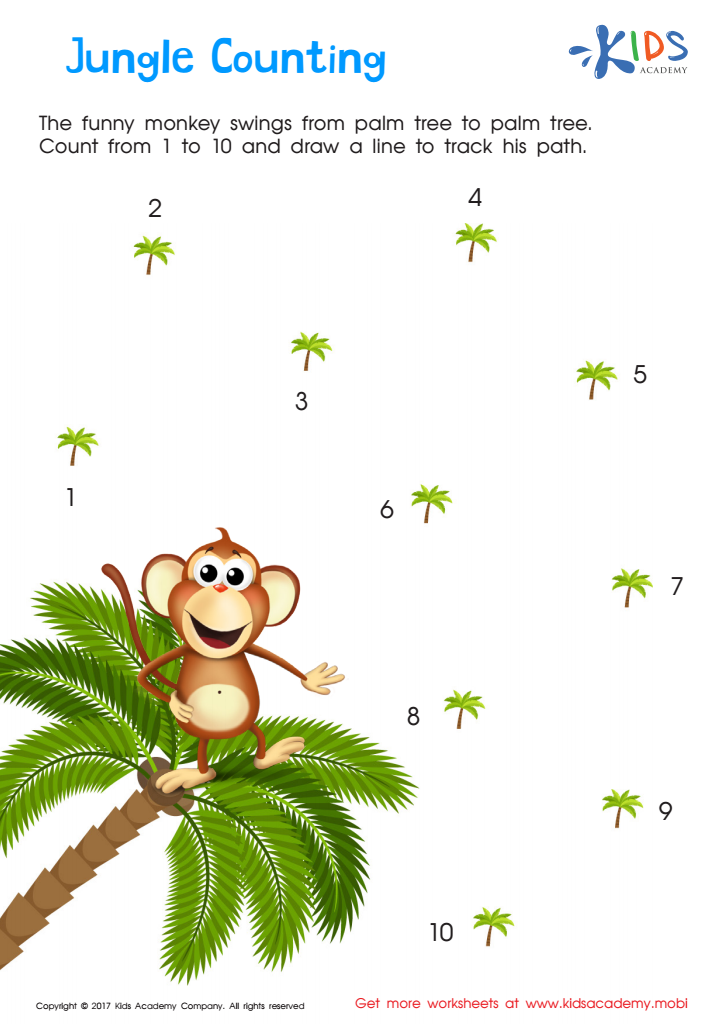
Jungle Counting Connect Dots Worksheet
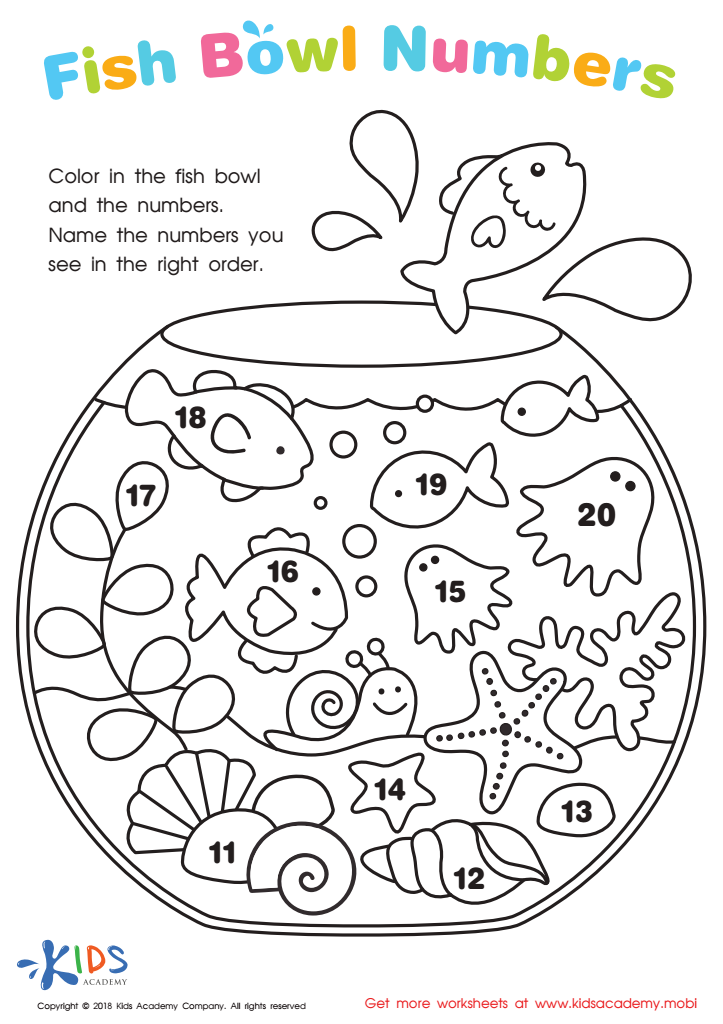
Fish Bowl Numbers Worksheet
 Assign to My Students
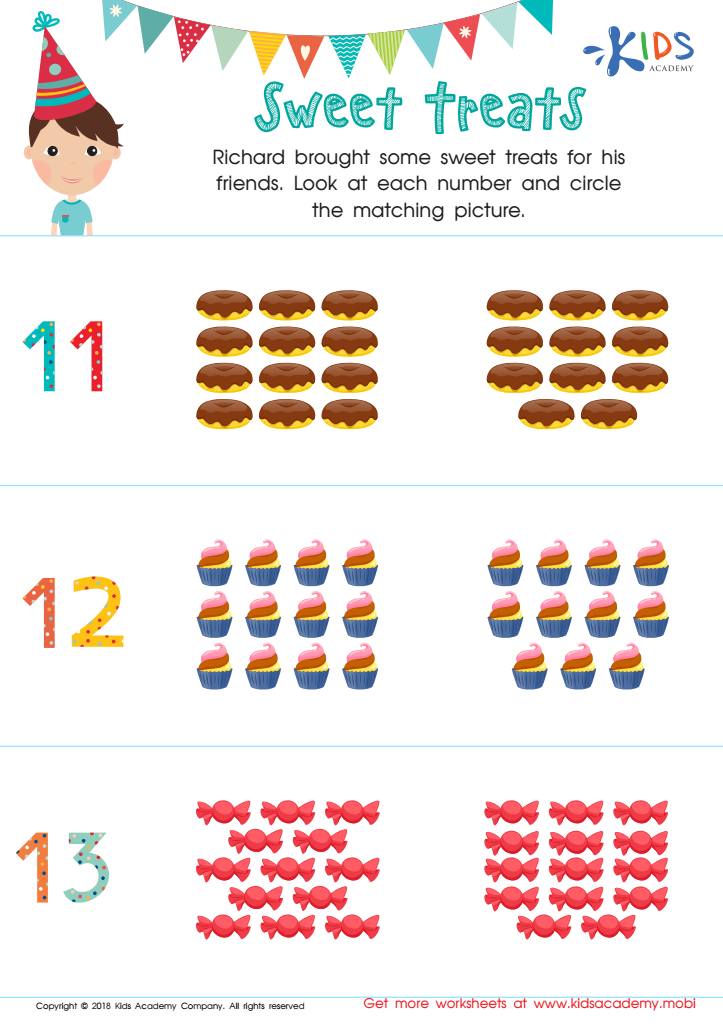
Kindergarten Math Worksheet Matching Numbers



%20(1).jpg)




Number recognition is a foundational skill essential for early mathematical development in children aged 3-5. Parents and teachers should care about offering extra challenges in this area as it not only enhances children's ability to recognize and understand numbers but also supports their overall cognitive and social development.
Engaging children in activities that extend their number recognition skills encourages critical thinking, problem-solving, and cognitive flexibility. These skills are vital as they lay the groundwork for more advanced mathematical concepts encountered later on. Furthermore, number recognition boosts children's confidence in their abilities. When they can identify numbers quickly and accurately, they are more likely to participate in classroom activities and engage with peers, fostering social interaction and cooperative learning.
Additionally, incorporating extra challenges in number recognition helps to cater to varying developmental levels within the classroom. Challenges can be tailored to match children's unique interests and skills, ensuring that each child feels valued and motivated. This personalized approach helps to build a strong foundation in mathematics, preparing children for future academic success while cultivating a love for learning. Overall, investing time in enhancing number recognition serves to benefit both academic skills and personal development in early childhood education.