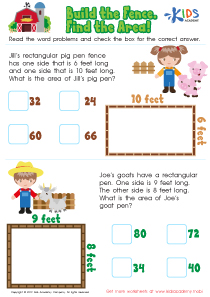
Cognitive Development Extra Challenge Matching Worksheets for Ages 3-6
3 filtered results
-
From - To
Elevate your child's cognitive abilities with our engaging Cognitive Development Extra Challenge Matching Worksheets designed for ages 3-6. These worksheets are meticulously curated to challenge young minds, enhancing their critical thinking, pattern recognition, and problem-solving skills. Featuring fun and educational matching exercises, children will delight in identifying relationships between objects, numbers, shapes, and colors. Our thoughtfully designed worksheets ensure that learning is both enjoyable and effective, providing a robust foundation for future academic success. Ideal for preschoolers and kindergarteners, these printable resources are perfect for parents and educators aiming to nurture innovation and intellectual growth in early learners.
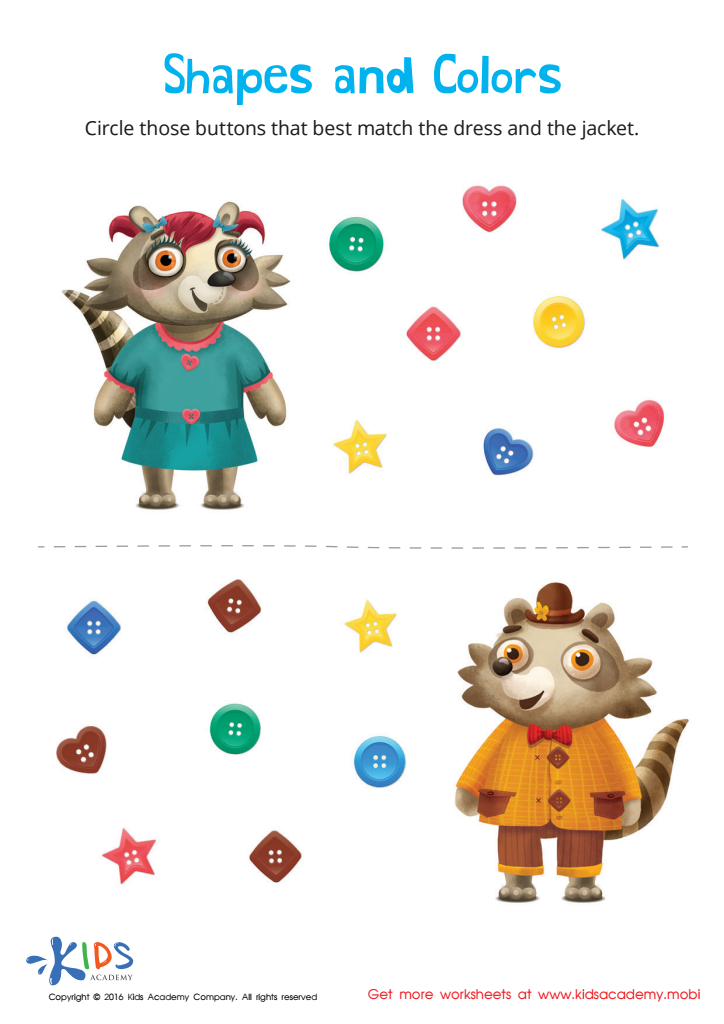
Matching: Shapes and Colors Worksheet
 Assign to My Students
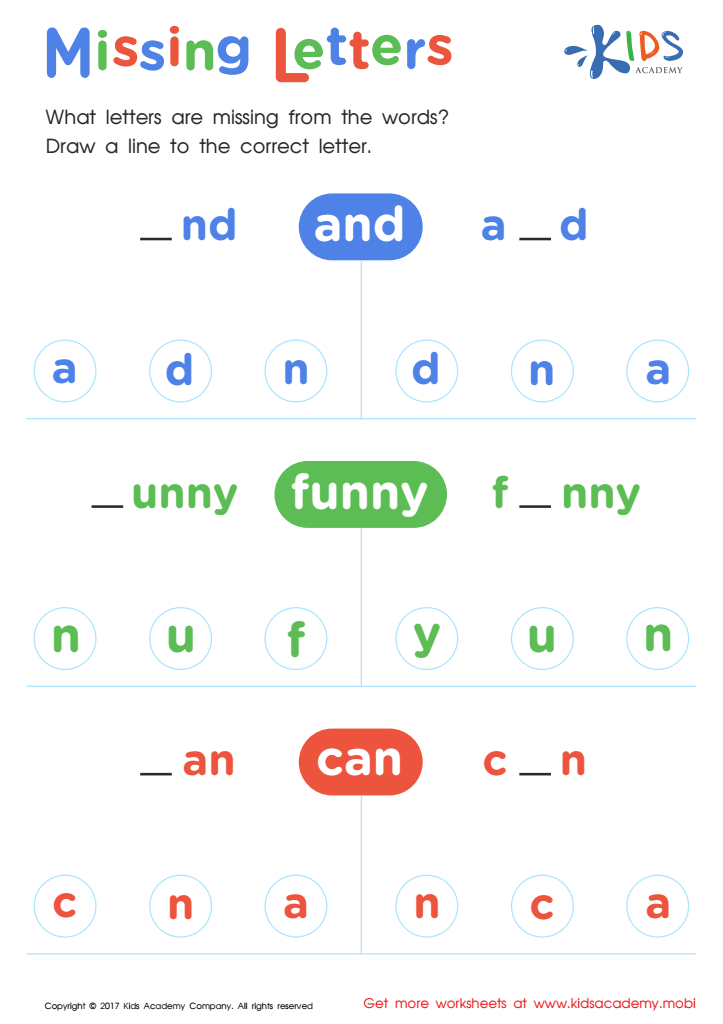
Missing Letters Worksheet

Shapes Worksheet








Cognitive development during ages 3-6 is a pivotal stage in a child's growth, as it lays the groundwork for future learning and problem-solving skills. During these formative years, children are incredibly receptive to new information and experiences, which significantly impact their intellectual abilities. This makes cognitive development exercises, like extra challenge matching games, critically important.
Matching games specifically enhance several cognitive skills. They nurture memory and help in recognizing patterns, which are fundamental in subjects like math and reading. These games enhance concentration and attention to detail, enabling children to focus on tasks without getting easily distracted. They also foster critical thinking and problem-solving skills, as children must discern associations between different items.
Moreover, such activities support language development as children discuss and describe the items they are matching. Play-based learning, integral to matching games, keeps these exercises enjoyable and engaging, ensuring that children are both learning and having fun.
By integrating extra challenge matching games into daily routines, parents and teachers can provide rich, stimulating environments that boost a child's confidence and eagerness to learn. This encouragement in early cognitive development establishes a solid foundation for future academic success and a lifelong love of learning.