Understanding patterns Extra Challenge Math Worksheets for Ages 3-7
4 filtered results
-
From - To
Unlock the world of patterns with our "Understanding Patterns Extra Challenge Math Worksheets" specially designed for ages 3-7! Our engaging, fun, and educational worksheets help young minds grasp the concept of patterns through a series of creative exercises. These activities enhance critical thinking, build strong foundational math skills, and boost problem-solving abilities. Perfect for home or classroom use, each worksheet provides an extra challenge to keep learners motivated and excited. Ignite your child's curiosity and set them up for success in mathematics with our printable, easy-to-use learning resources!
Download now to get started on the path to pattern mastery!
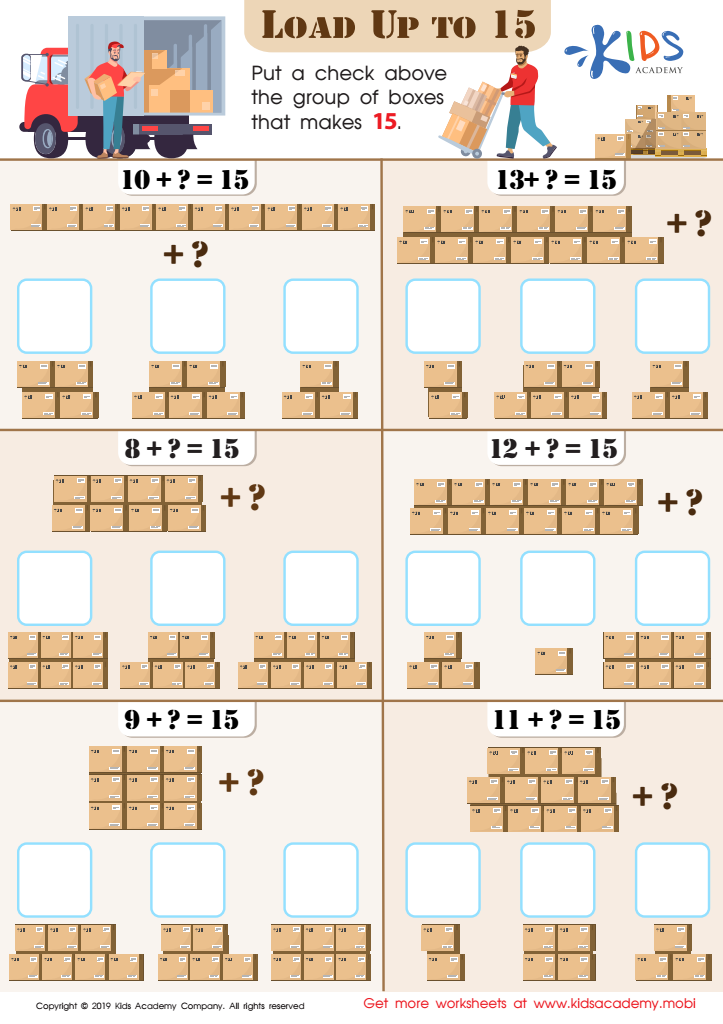
Load up to 15 Worksheet
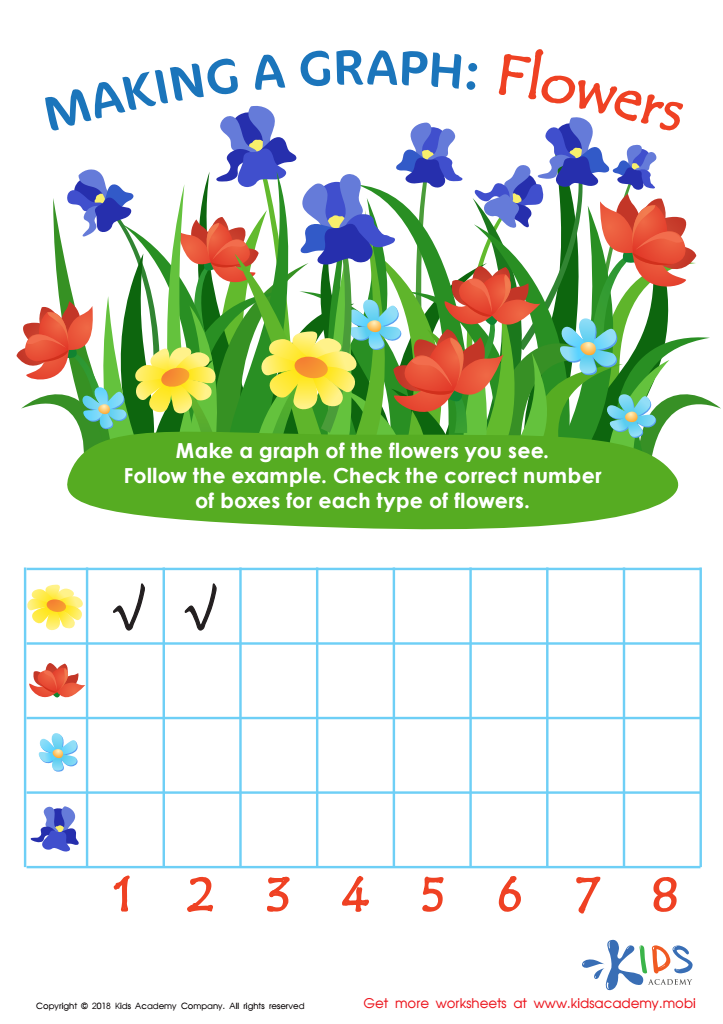
Making a Graph: Flowers Worksheet
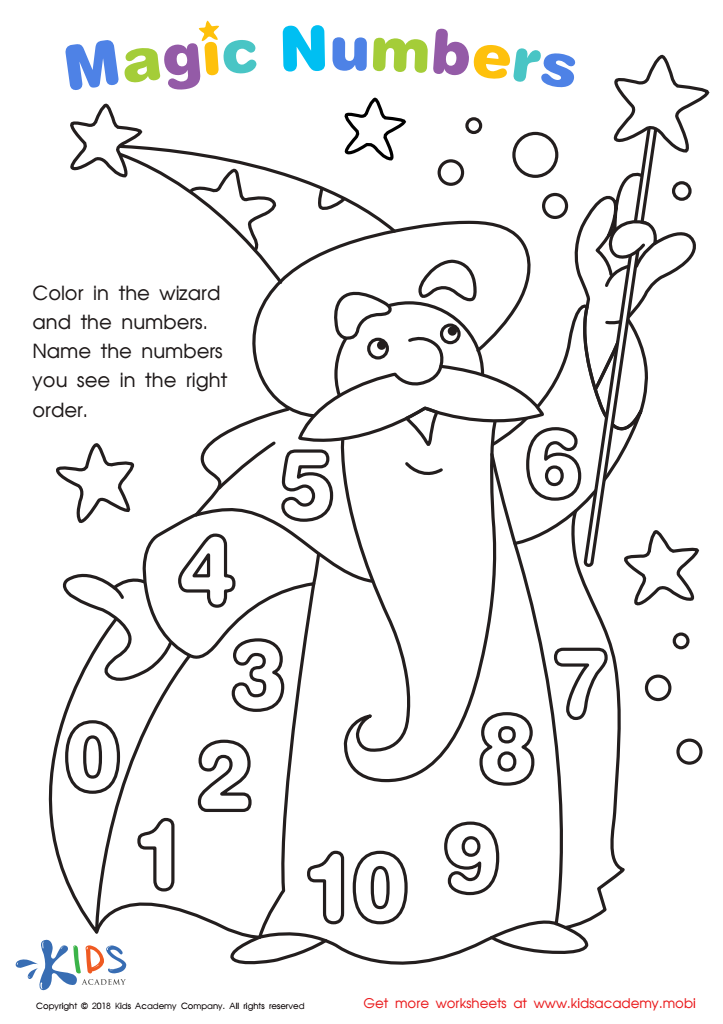
Magic Numbers Worksheet
 Assign to My Students
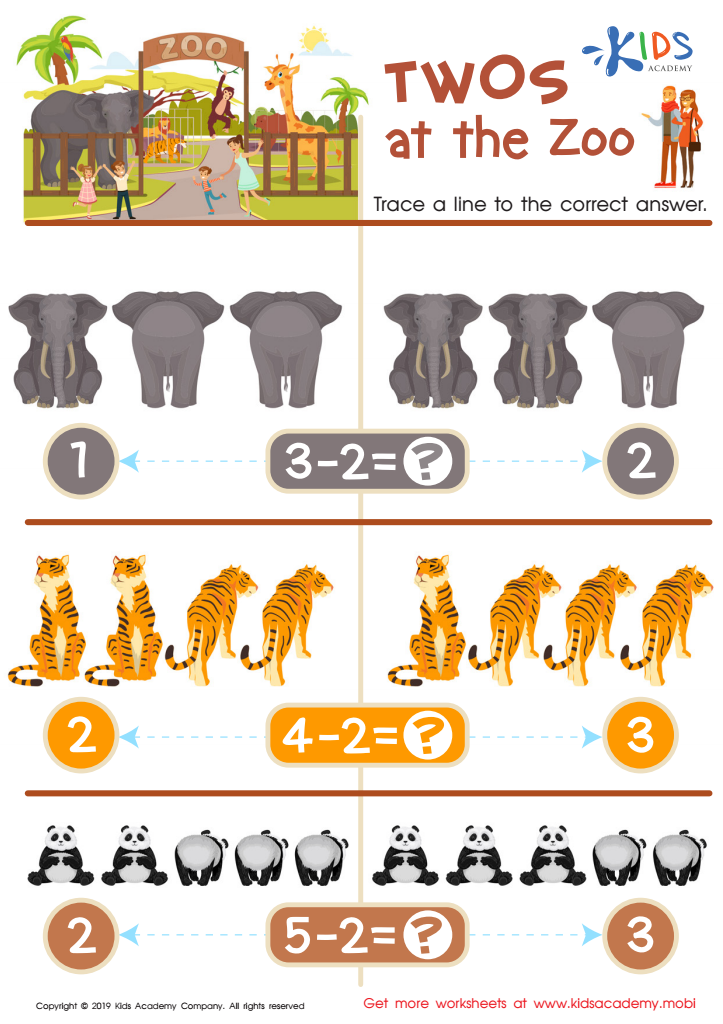
Twos at the Zoo Worksheet







Understanding patterns is crucial for young children aged 3-7 as it lays the foundation for various fundamental cognitive skills. Patterns stimulate a child's ability to recognize sequences, predict outcomes, and comprehend structures, which are essential aspects of early learning and future academic success.
Firstly, pattern recognition fosters critical thinking and problem-solving abilities. By identifying and extending patterns, children begin to understand the concept of order, logic, and systematic thinking. These skills are not only vital in mathematics but also in everyday tasks where children must identify routines and predict what comes next.
Secondly, exposure to patterns improves mathematical understanding. Many math concepts, such as addition, subtraction, multiplication, and division, rely on pattern recognition. Early competence in patterns sets the stage for more complex mathematical learning, making future math education more accessible and less intimidating.
Lastly, engaging with patterns enhances early literacy skills. Understanding the patterns in language, such as rhymes and rhythms, aids in reading comprehension and phonemic awareness. Teachers and parents should prioritize pattern activities because it supports holistic cognitive development, making these young learners more adaptable, keen observers, and successful problem solvers. Nurturing these skills early creates a strong educational foundation firmly rooted in the understanding of patterns.