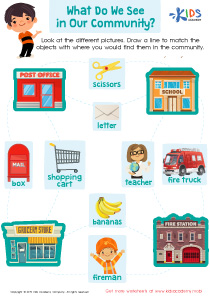
Comparing sizes Extra Challenge Math Worksheets for Ages 4-5
3 filtered results
-
From - To
Discover our "Comparing Sizes Extra Challenge Math Worksheets for Ages 4-5," designed to enhance your child's early math skills. These engaging worksheets help young learners develop an understanding of measurement, comparison, and spatial awareness. With a variety of fun, themed activities, children will practice identifying and comparing the size, length, and height of different objects. Perfect for at-home learning or classroom practice, these worksheets build a solid foundation for future math success. Encourage critical thinking and problem-solving with our carefully crafted challenges that make learning enjoyable and effective for your little ones.
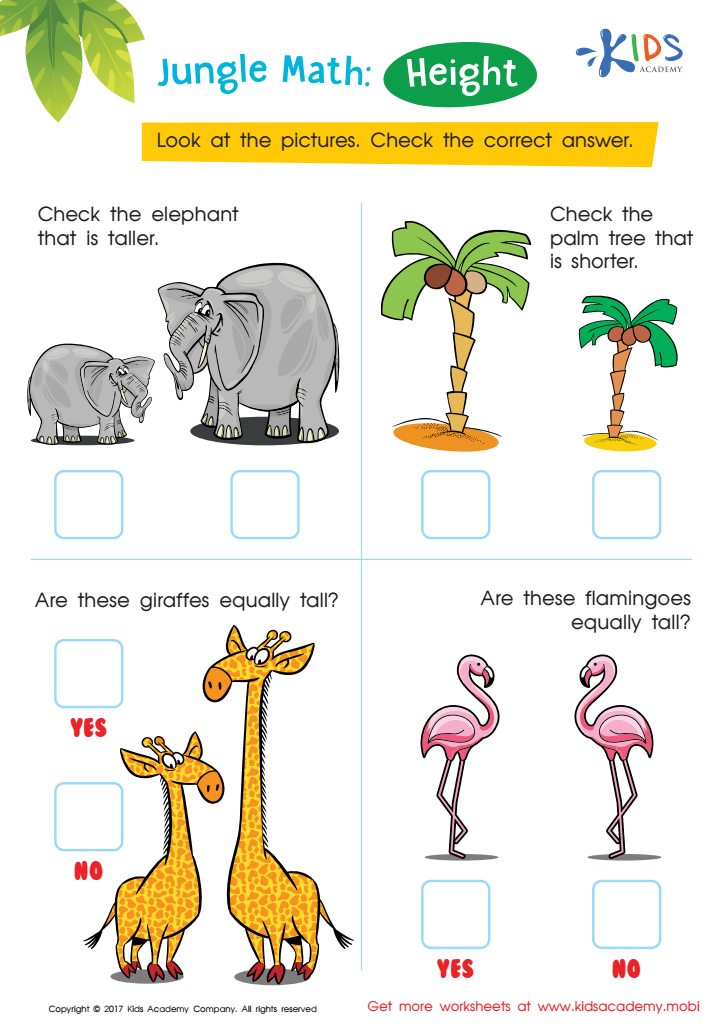
Which Is Taller Worksheet
 Assign to My Students
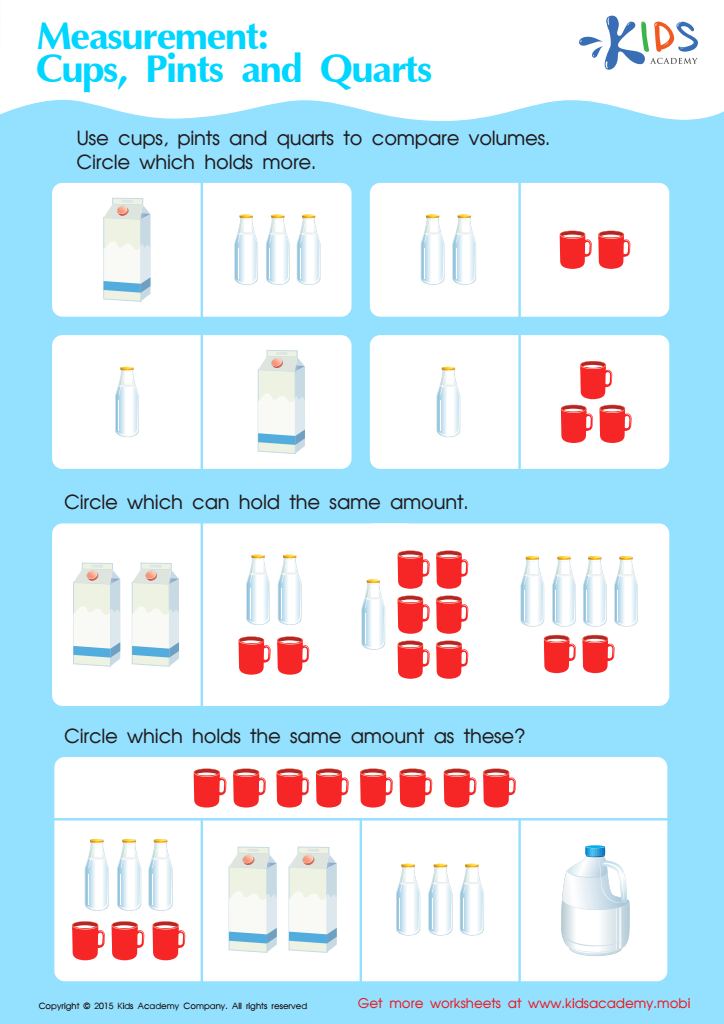
Measurement: Compare Volumes Worksheet
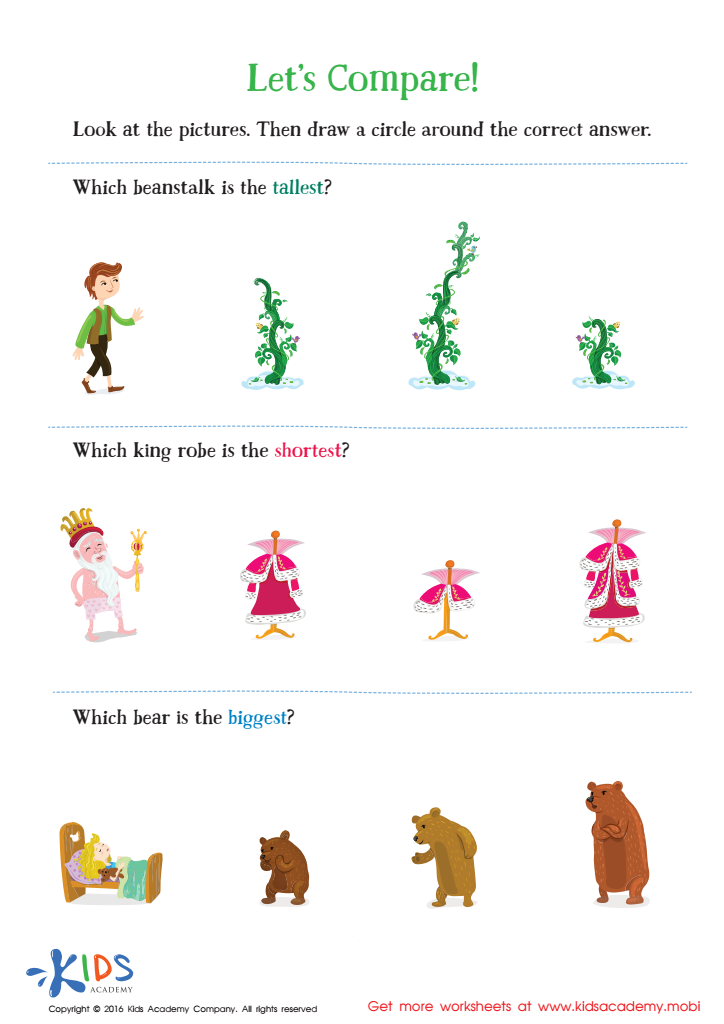
Fairy Tale Worksheet: Let's Compare





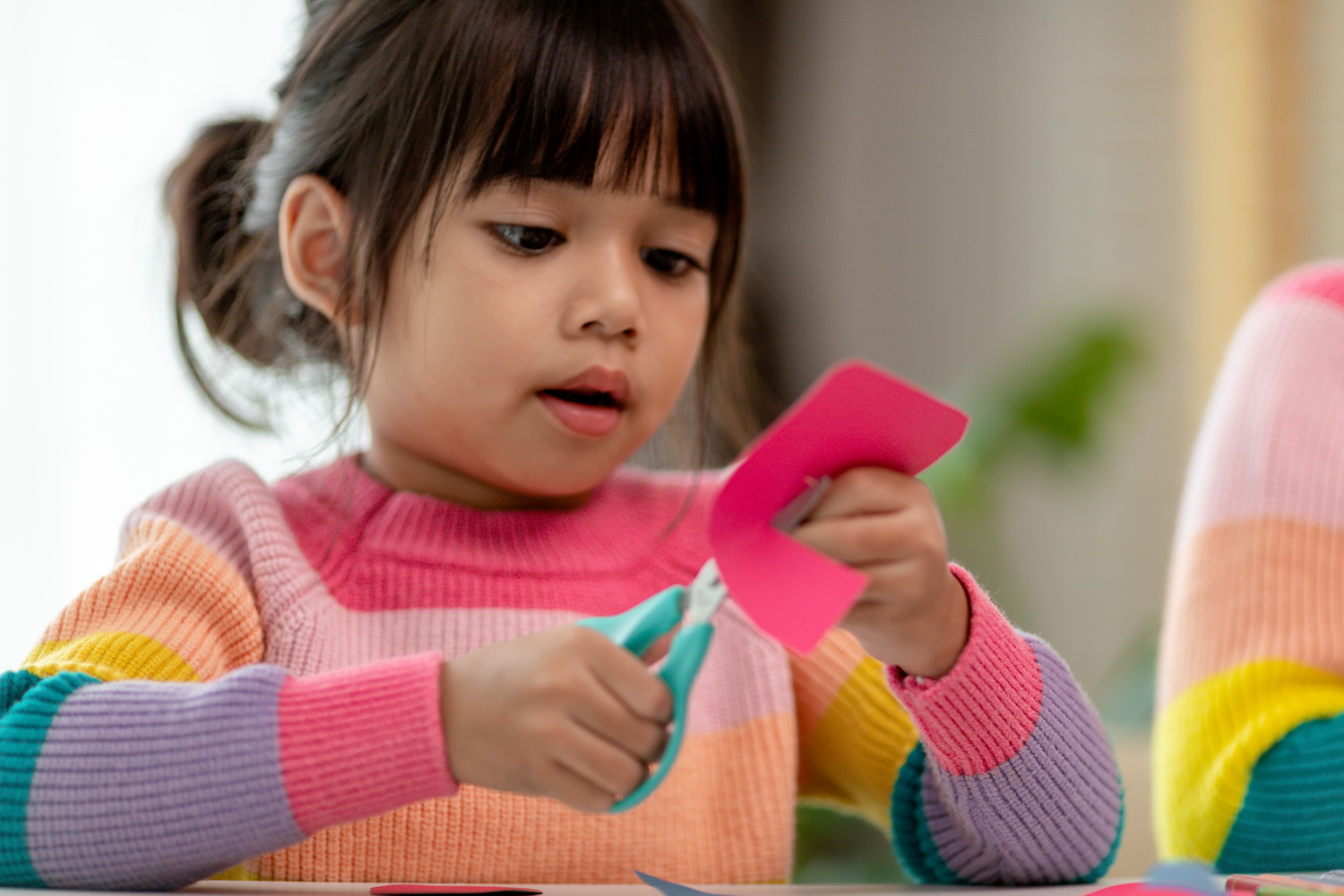


Comparing sizes is a fundamental math skill that serves as a building block for young children's cognitive and academic development, making it essential for parents and teachers to prioritize this learning at age 4-5. At this stage, children are in the preoperational phase, where their minds are rapidly developing the ability to think symbolically and understand the world around them. Engaging in comparisons allows kids to enhance their observational skills and boosts their language development by introducing vocabulary such as bigger, smaller, taller, and shorter.
Moreover, comparing sizes encourages critical thinking and problem-solving abilities. Children learn to categorize and organize objects, which are essential skills for later mathematical concepts like measurement, geometry, and number sense. For instance, understanding which of two objects is longer or heavier can concretely relate to understanding numbers and amounts.
Providing an extra challenge in these activities aids in keeping young minds engaged and eager to learn, promoting a positive attitude towards mathematics from an early age. Such activities also promote fine motor skills and coordination when children physically manipulate items to compare them. Eventually, these foundational skills contribute to better performance in more complex mathematical tasks and overall academic readiness, making it crucial for adults to support and nurture this critical aspect of early childhood development.