Logical Reasoning Extra Challenge Social Studies Worksheets for Ages 4-5
3 filtered results
-
From - To
Welcome to our "Logical Reasoning Extra Challenge Social Studies Worksheets for Ages 4-5" page! Designed to enhance critical thinking skills, these engaging worksheets offer young learners the opportunity to develop their logical reasoning through fun, age-appropriate activities. Tailored specifically for preschoolers, our resources cover essential social studies themes, helping children understand their environment and the world around them. Each worksheet incorporates vibrant visuals and interactive challenges that encourage creativity and problem-solving. Empower your child’s learning journey with these enriching worksheets, perfect for home or classroom use! Explore our collection and spark a love for learning today!
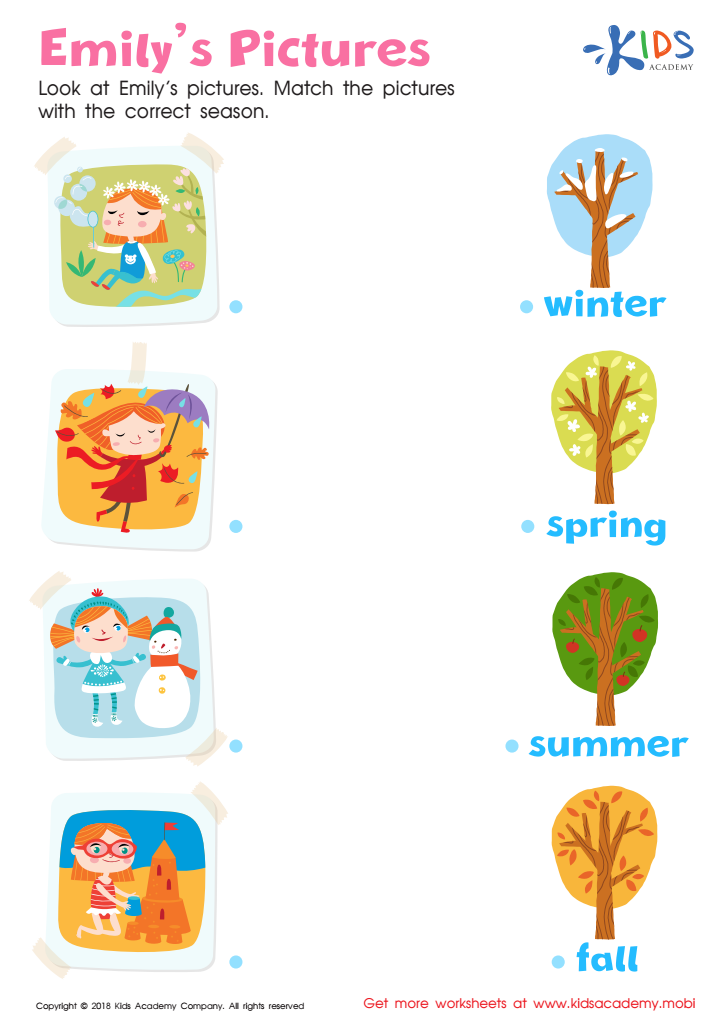
Emily's Pictures Worksheet
 Assign to My Students
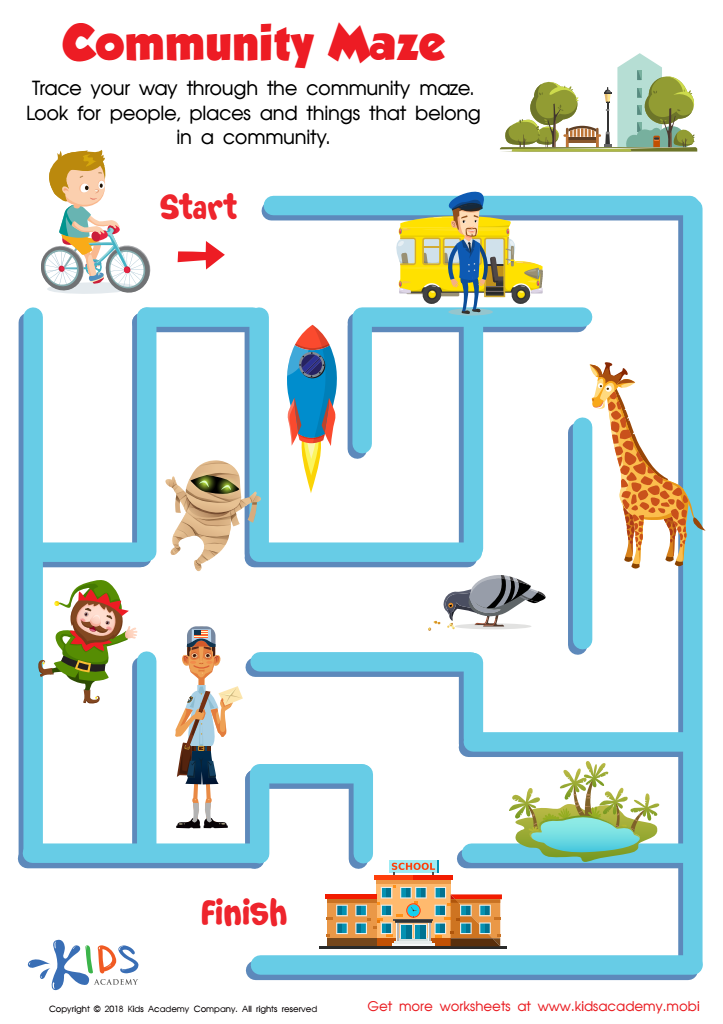
Community Maze Worksheet
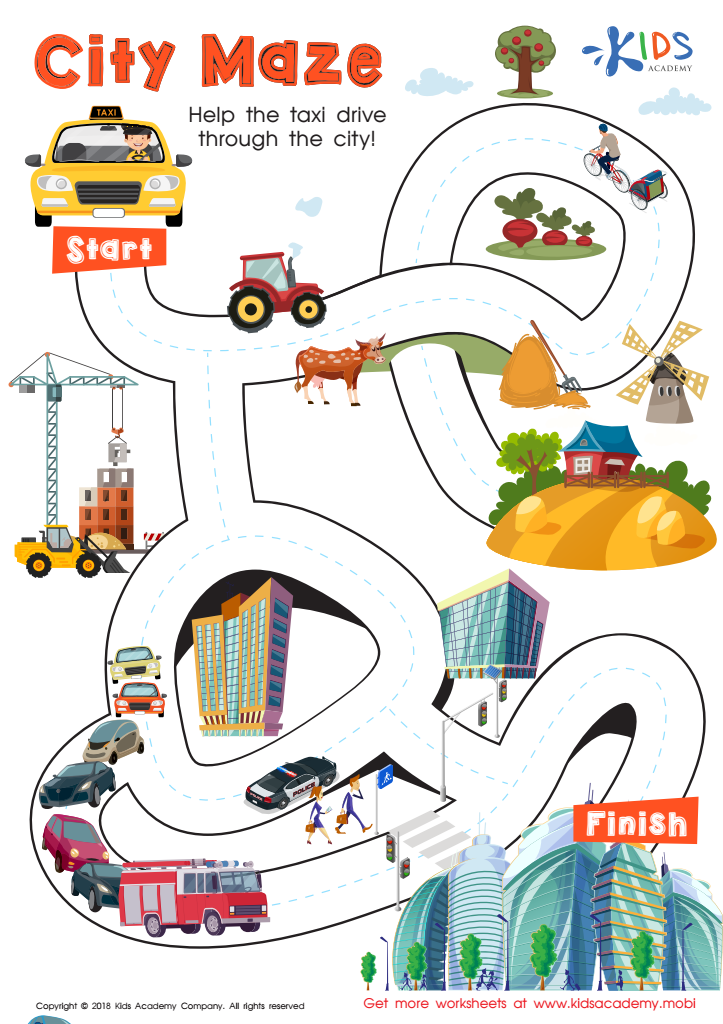
City Maze Worksheet








Logical Reasoning Extra Challenge in Social Studies for ages 4-5 plays a crucial role in early childhood education, offering benefits that extend beyond traditional learning. At this age, children are naturally curious, and introducing logical reasoning through social studies helps them understand basic concepts of their world, such as community, culture, and relationships. This program emphasizes critical thinking skills, encouraging children to analyze situations, make connections, and solve problems as they explore social contexts.
Engaging in structured activities fosters cognitive development, allowing children to learn how to think rather than just memorize facts. It supports the development of communication and social skills, as they often collaborate with peers or discuss their thoughts with adults. By incorporating logical reasoning, children can better grasp complex concepts like fairness, diversity, and responsibility.
Moreover, this early exposure enriches their understanding of their role within a community, promoting civic awareness from a young age. Parents and teachers should care because the foundational skills developed through Logical Reasoning Extra Challenge not only prepare children academically but also contribute to their overall social and emotional growth—and lay the groundwork for lifelong learning and citizenship.