Vocabulary expansion Extra Challenge Grammar Worksheets for Ages 4-5
6 filtered results
-
From - To
Elevate your young learner's language skills with our "Vocabulary Expansion Extra Challenge Grammar Worksheets for Ages 4-5." Designed to make learning exciting, these printable worksheets combine play and education to help preschoolers and kindergartners broaden their vocabulary and grasp essential grammar concepts. Each page is packed with engaging activities that promote word recognition, sentence formation, and comprehension through fun, age-appropriate challenges. Foster a love for language and reading with materials tailored to enhance their growing minds. Perfect for both classroom use and at-home learning, ensure your child’s vocabulary growth with our expertly crafted resources.
Visit us: kidsacademy.mobi
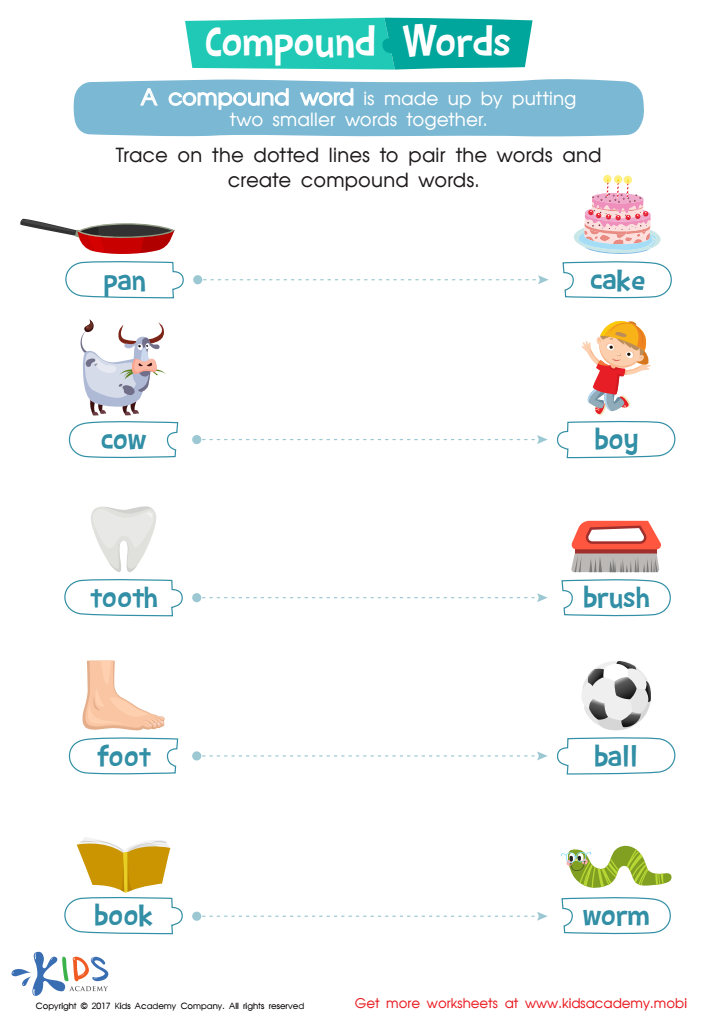
Compound Words Word Structure Worksheet
 Assign to My Students
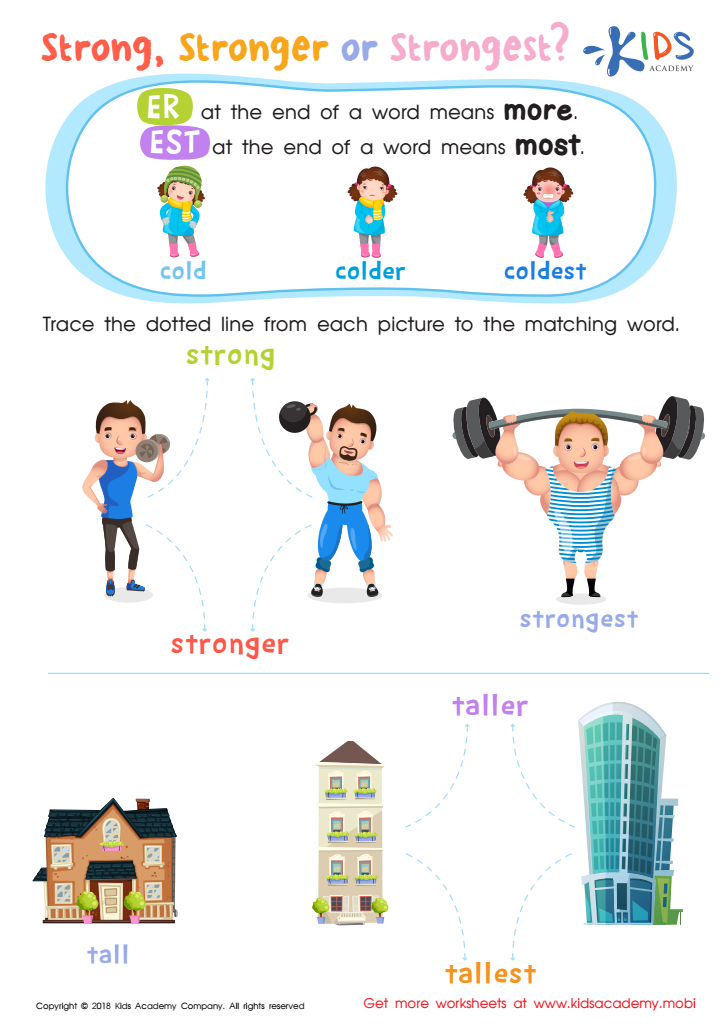
Strong or Stronger? Worksheet
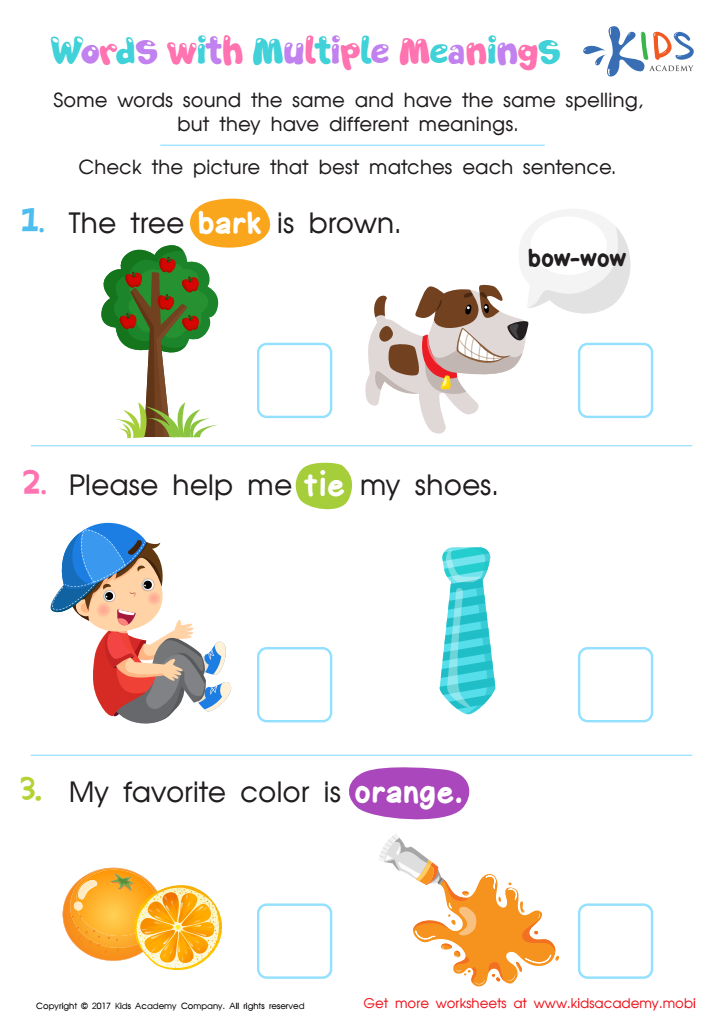
Words with Multiple Meanings Worksheet
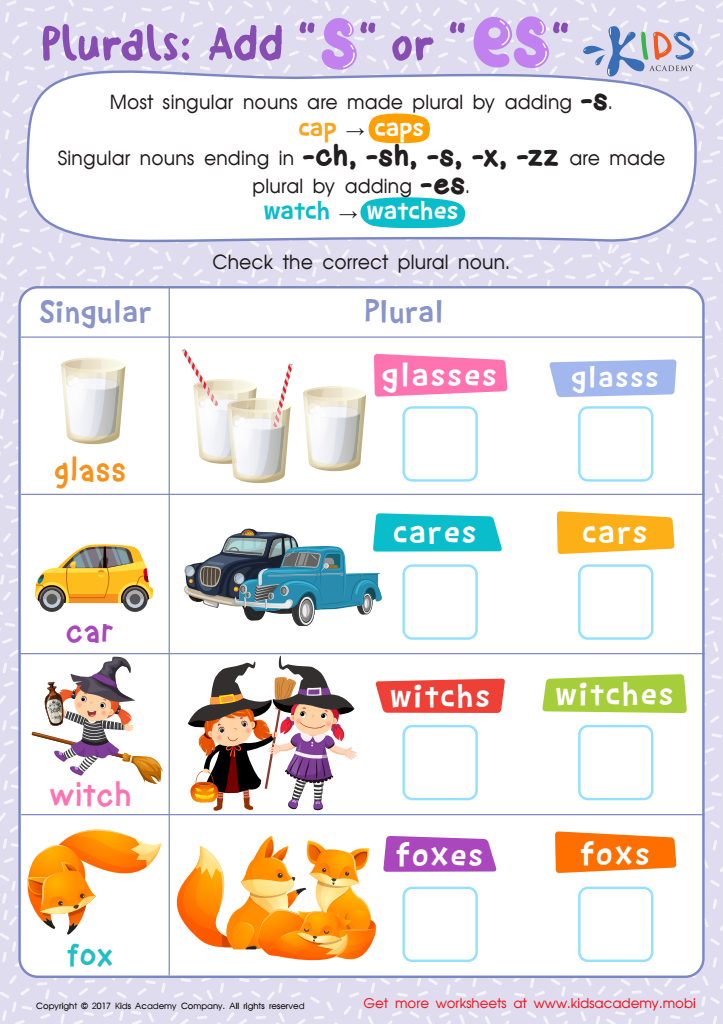
Plurals: "–es" or "–es"? Worksheet
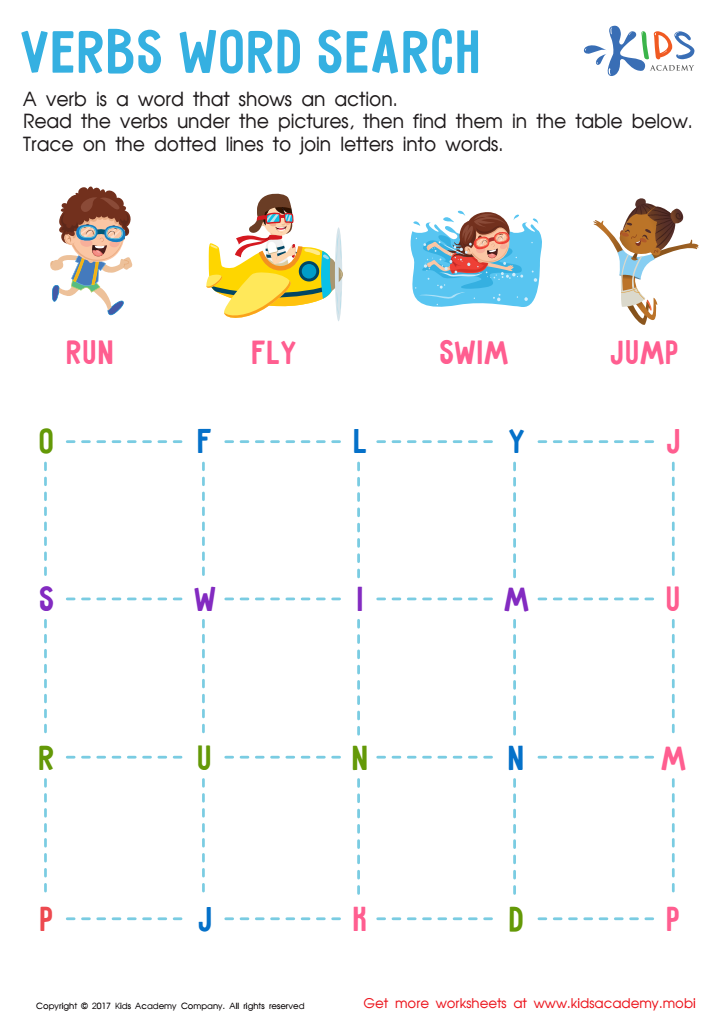
Verbs Word Search Worksheet
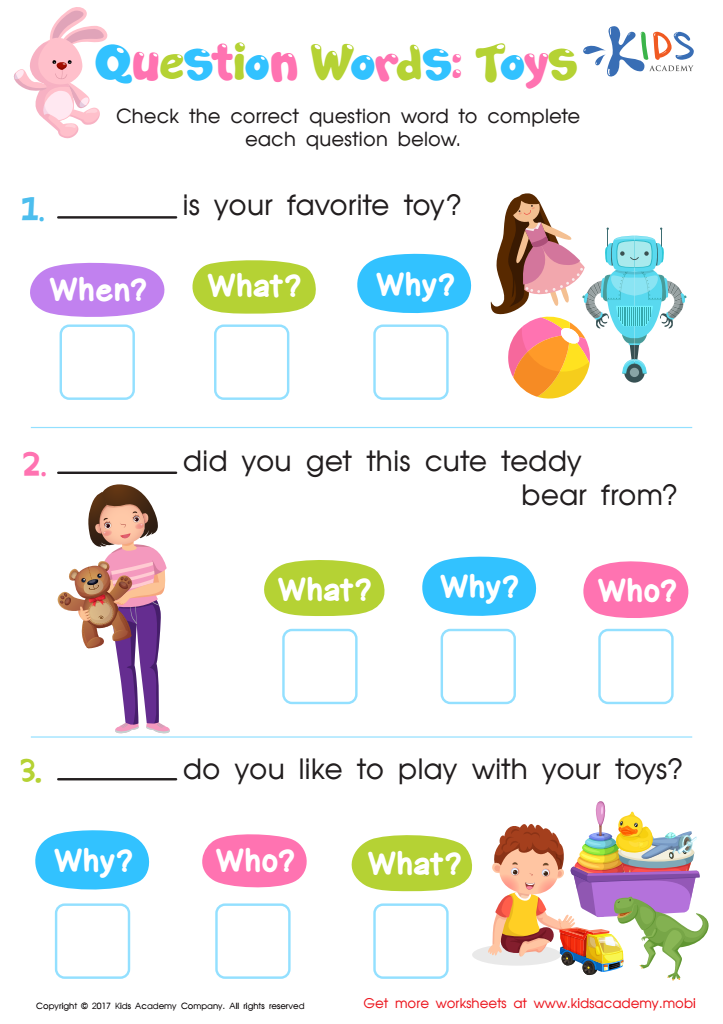
Question Words: Toys Worksheet


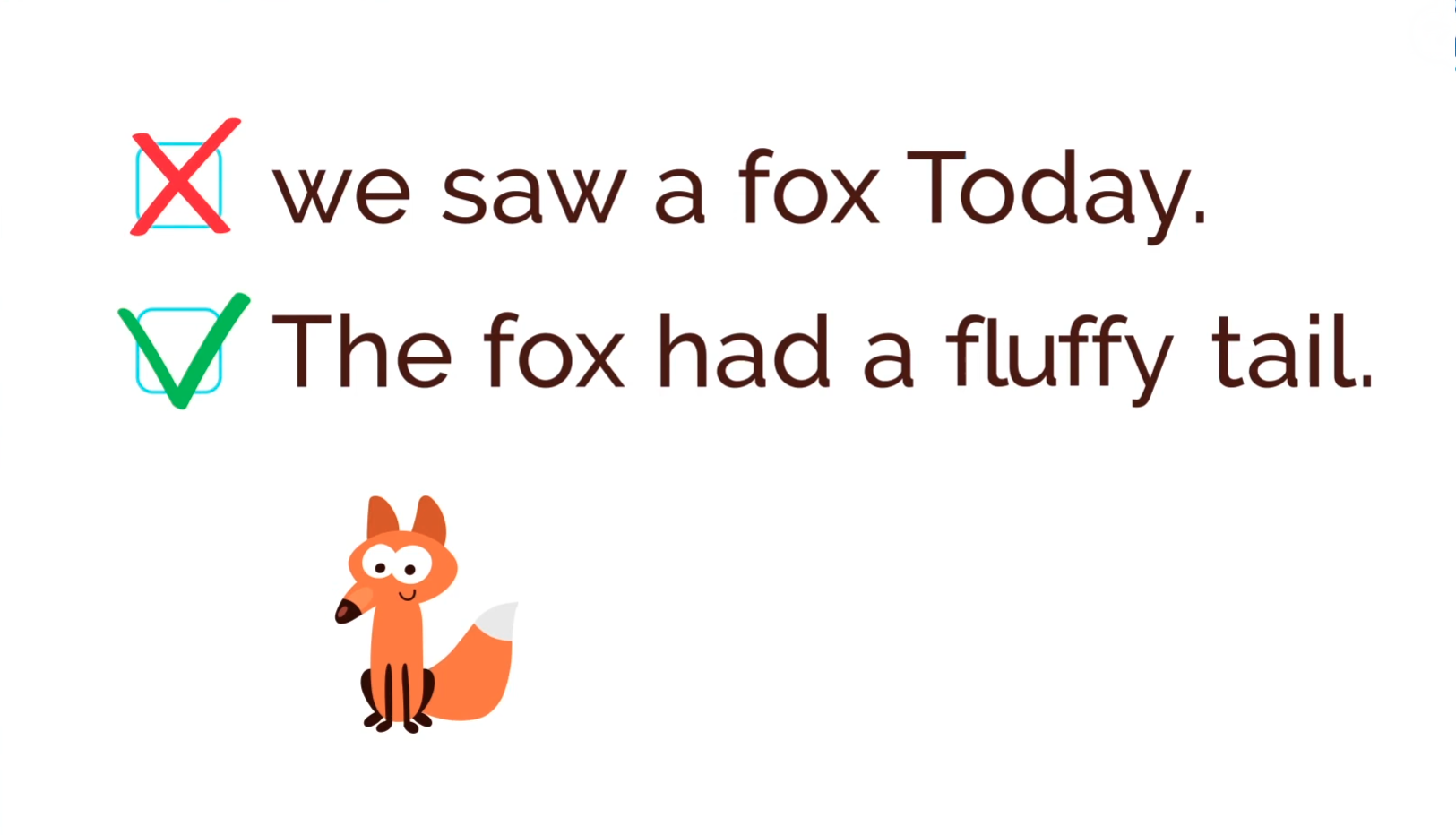


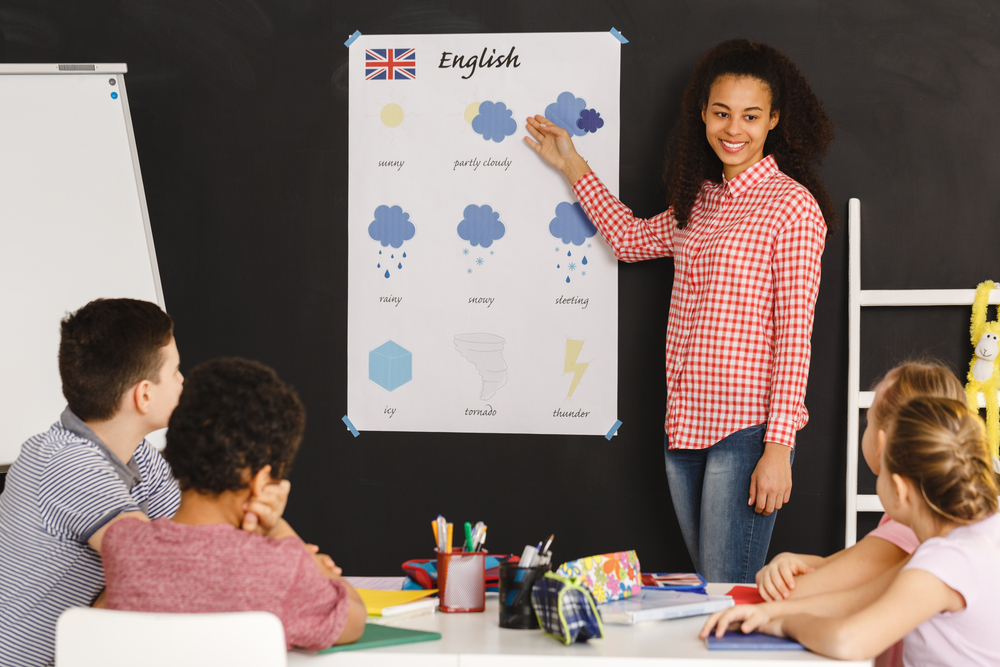
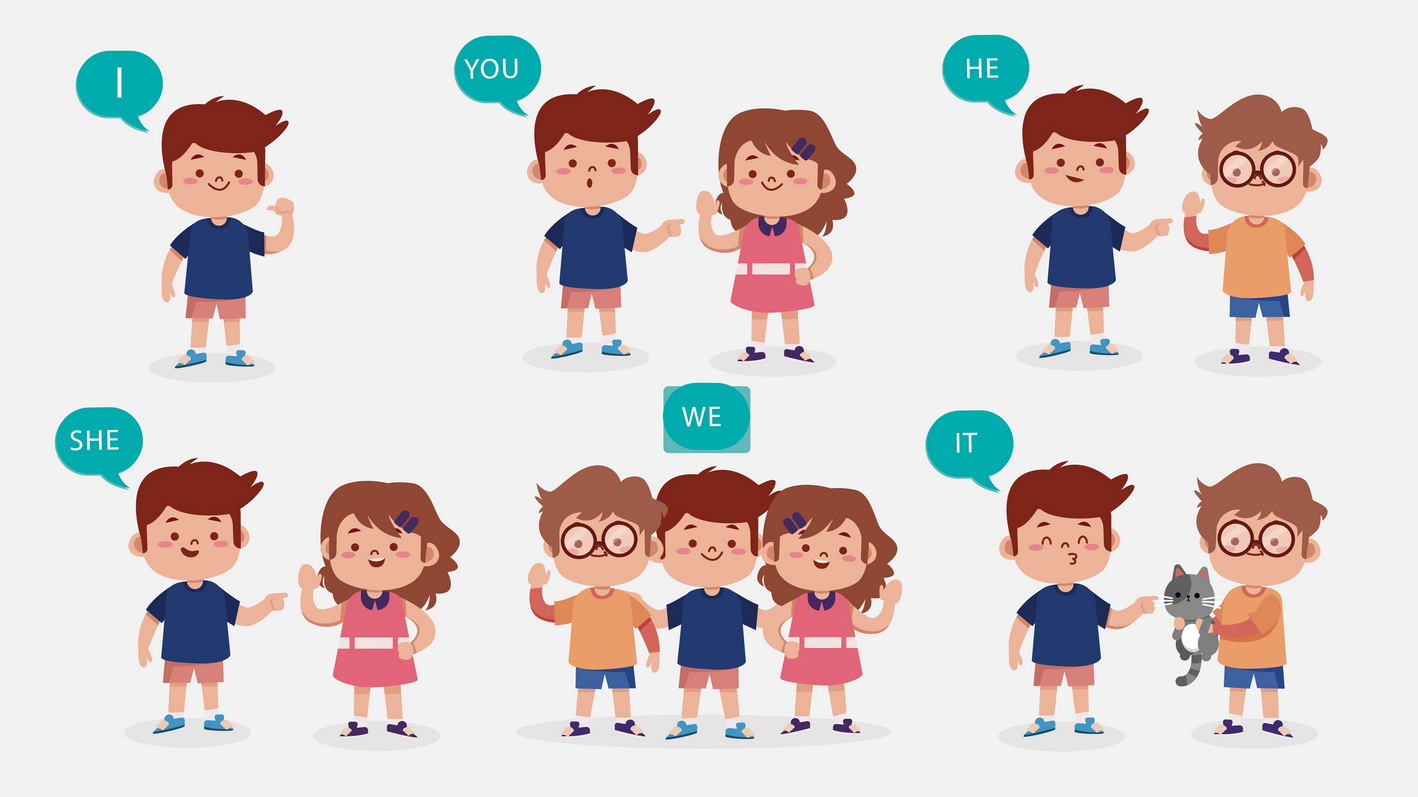

Parents and teachers should prioritize vocabulary expansion and grammar challenges for children aged 4-5 because these formative years are crucial for language development. At this stage, children's brains are exceptionally receptive to new information, making it the ideal time to enrich their vocabulary and linguistic skills.
First, a broad vocabulary helps children express themselves more clearly and accurately, enhancing their ability to communicate feelings, thoughts, and needs. This improved communication fosters better social interactions and helps prevent frustration that can arise from a limited ability to express oneself.
Second, early exposure to a rich vocabulary and proper grammar sets a strong foundation for future reading and writing skills. Research indicates that children with strong vocabulary skills are better readers and perform higher academically overall. An advanced vocabulary enhances comprehension, making learning across all subjects more accessible and enjoyable.
Moreover, dealing with challenges related to vocabulary and grammar helps develop critical thinking. When children encounter new words or unfamiliar sentence structures, they engage in problem-solving and pattern recognition, important skills across all areas of life.
By focusing on vocabulary and grammar from an early age, parents and teachers can provide children with the tools they need for academic success, effective communication, and lifelong learning. It's an investment that will pay off in both the short-term and long-term, shaping confident, articulate, and academically capable individuals.