Basic Math Skills Extra Challenge Matching Worksheets for Ages 4-6
3 filtered results
-
From - To
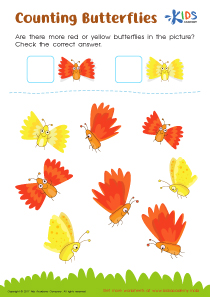
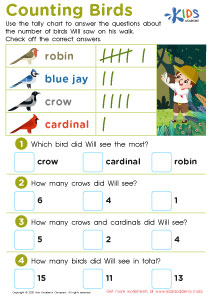
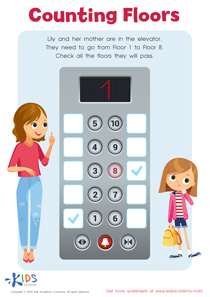
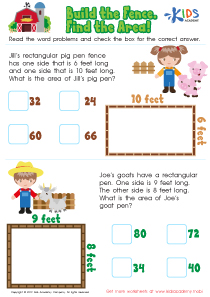
Explore our "Basic Math Skills Extra Challenge Matching Worksheets" designed for children aged 4-6! These engaging worksheets provide young learners with the opportunity to strengthen their foundational math skills through fun matching activities. Perfect for extra practice, these resources focus on key concepts such as number recognition, counting, and simple addition and subtraction. Each worksheet challenges kids to draw connections between different math ideas, fostering critical thinking and problem-solving abilities. With colorful designs and age-appropriate content, these worksheets make learning math enjoyable and effective. Ideal for parents, teachers, or homeschooling, give your child the extra challenge they need to excel!
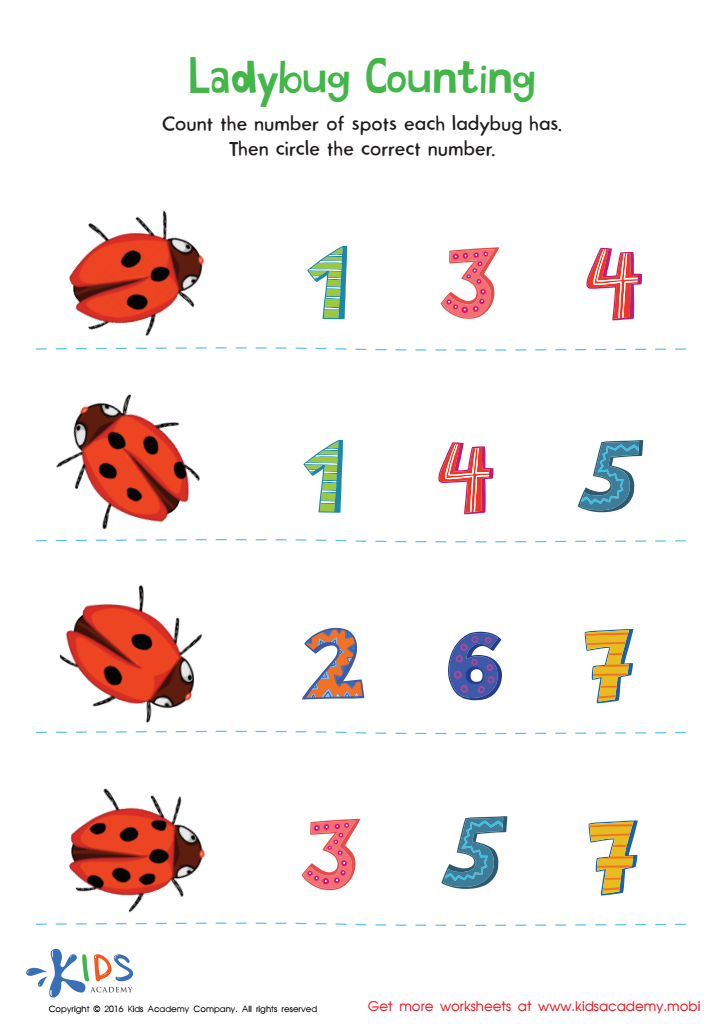
 Assign to My Students
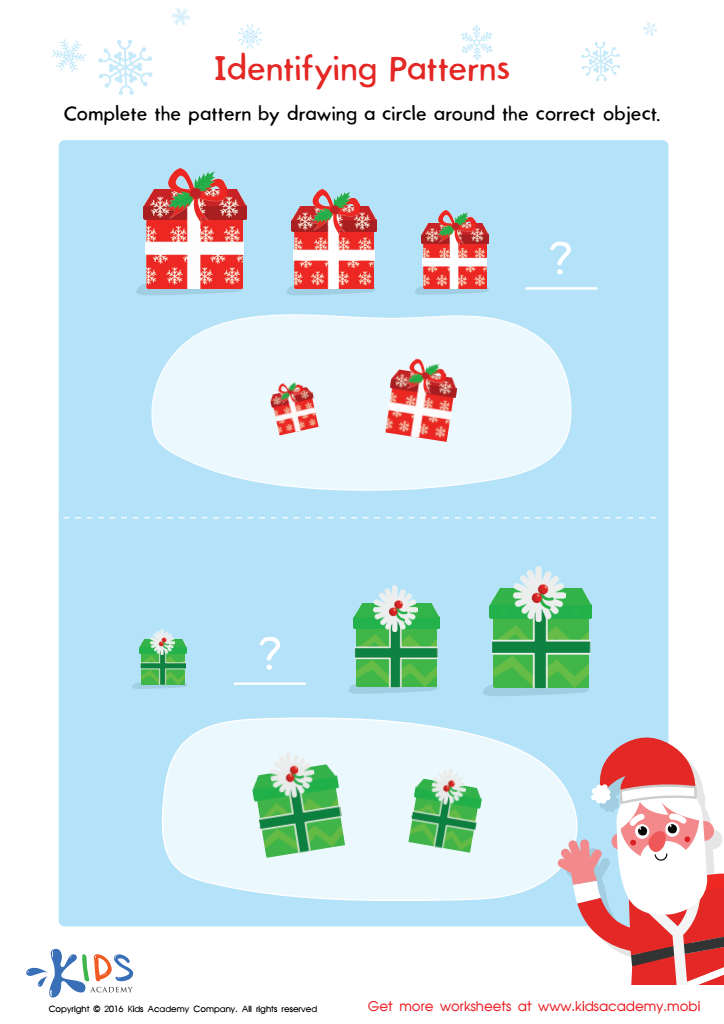
Identifying Patterns Worksheet
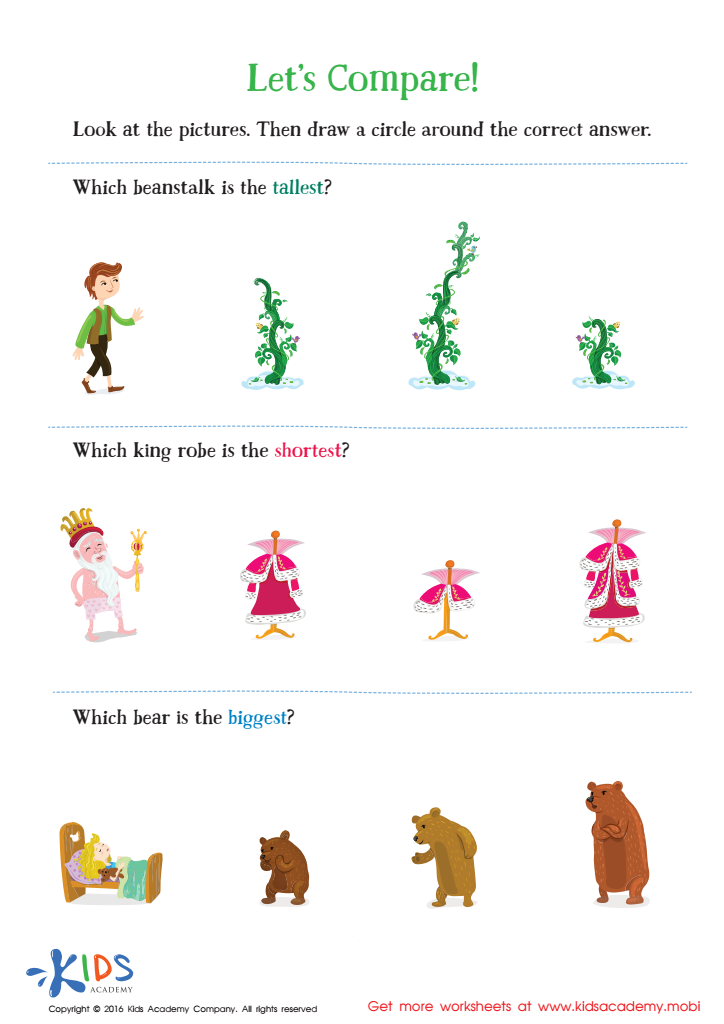
Fairy Tale Worksheet: Let's Compare








Parents and teachers should care about Basic Math Skills Extra Challenge Matching for ages 4-6 because it lays the foundational skills necessary for future academic success. Early childhood is a critical period for cognitive development, and engaging children in math-related activities enhances their problem-solving abilities, logical thinking, and proficiency with numbers. By presenting math challenges in a playful and interactive manner, these matching activities make learning enjoyable and encourage a positive attitude towards mathematics.
Furthermore, these activities help in developing fine motor skills as children manipulate objects, recognize patterns, and make connections between numbers and their representations. This early engagement allows for personalized learning experiences, catering to diverse learning styles and paces while fostering critical thinking.
Additionally, by strengthening basic math skills, children become more confident, which can positively impact their overall academic performance. Parents and teachers play an essential role in promoting an environment that values mathematics, as it can significantly influence a child's attitude toward learning.
Ultimately, Basic Math Skills Extra Challenge Matching not only promotes numeracy but also prepares children for more complex mathematical concepts in future years, turning potential obstacles into stepping stones towards lifelong learning.