Reading comprehension Extra Challenge Building Vocabulary Worksheets for Ages 4-6
7 filtered results
-
From - To
Enhance your child's reading journey with our "Reading Comprehension Extra Challenge: Building Vocabulary Worksheets for Ages 4-6." These engaging worksheets are designed to develop young readers' vocabulary and comprehension skills through fun, interactive activities. Perfect for early learners, each worksheet focuses on essential vocabulary words and usage, fostering a love for reading and a strong foundation for future learning. Tailored specifically for children aged 4-6, our worksheets are an invaluable resource for parents and educators looking to boost literacy skills and promote early education success. Unlock your child’s potential today with our expertly crafted vocabulary-building tools.
 Assign to My Students











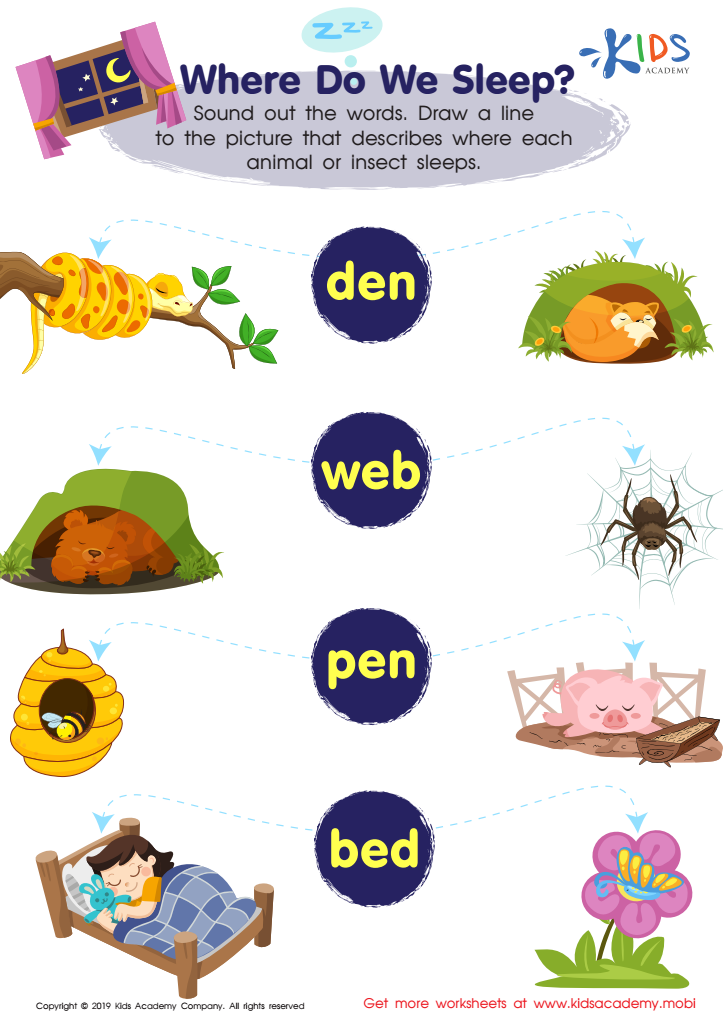
Where Do We Sleep Worksheet
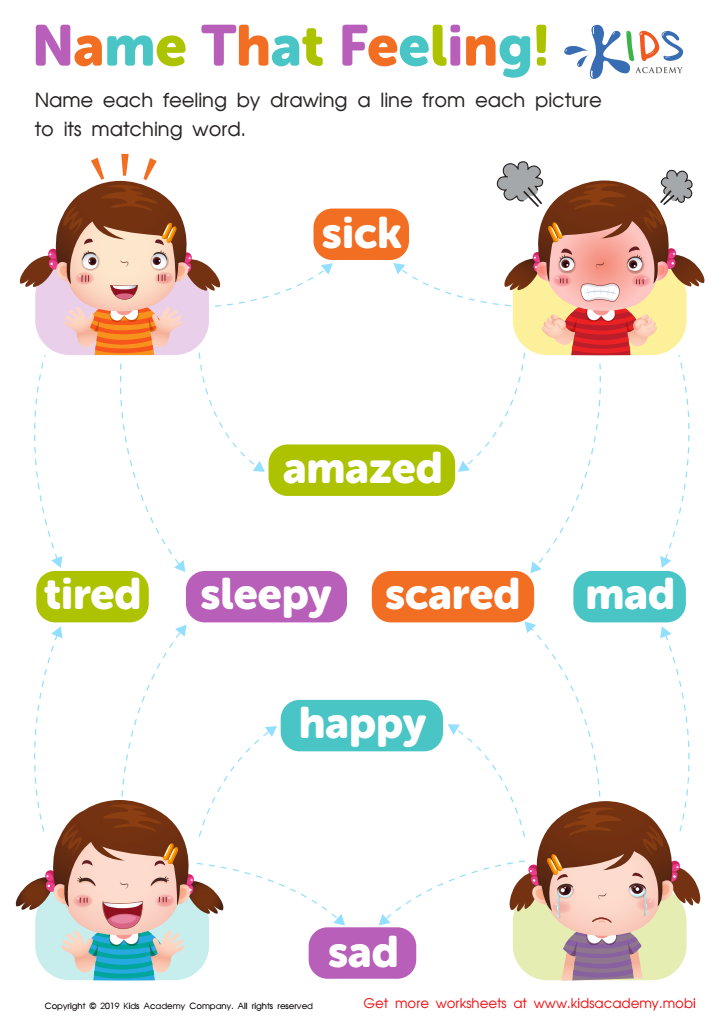
Name that Feeling Worksheet
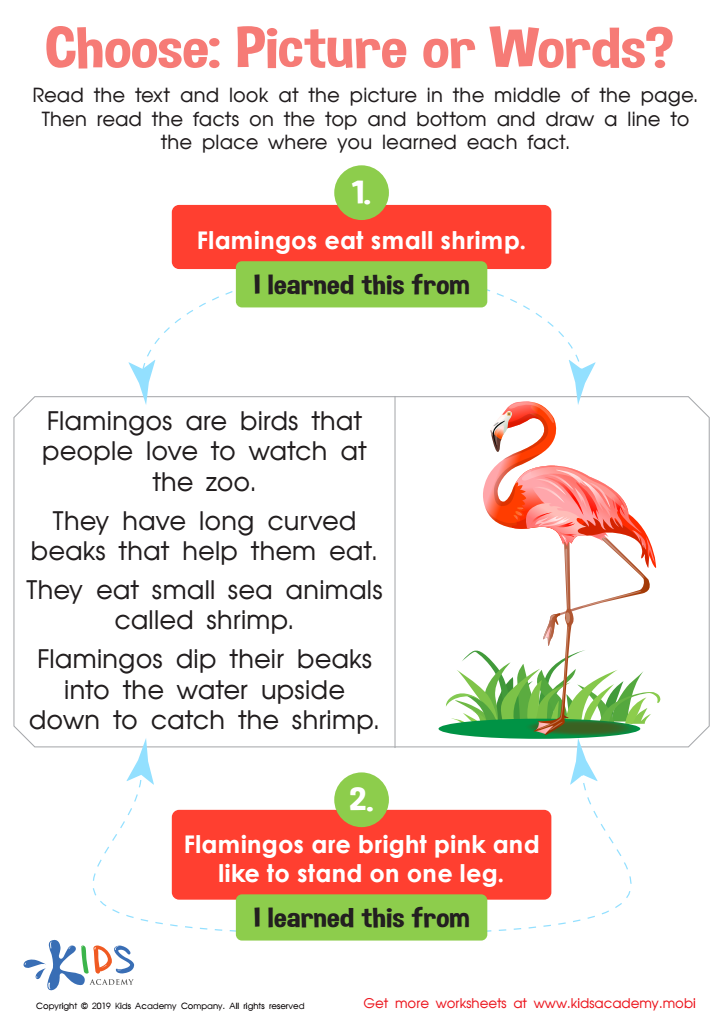
Choose Picture Words Worksheet
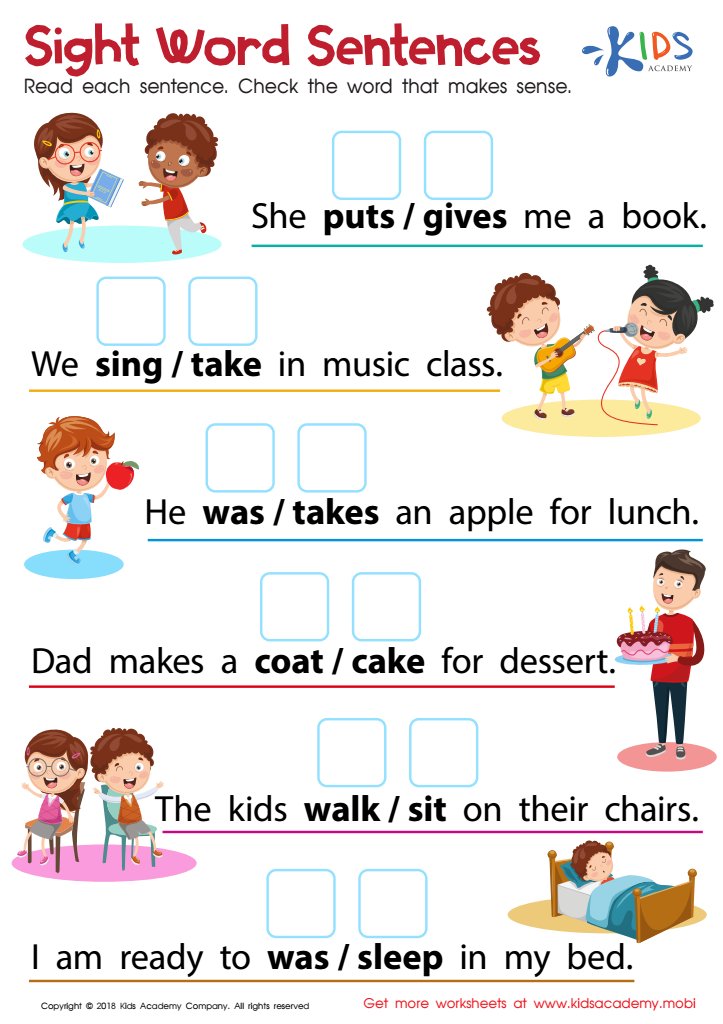
Sight Words Sentences Worksheet
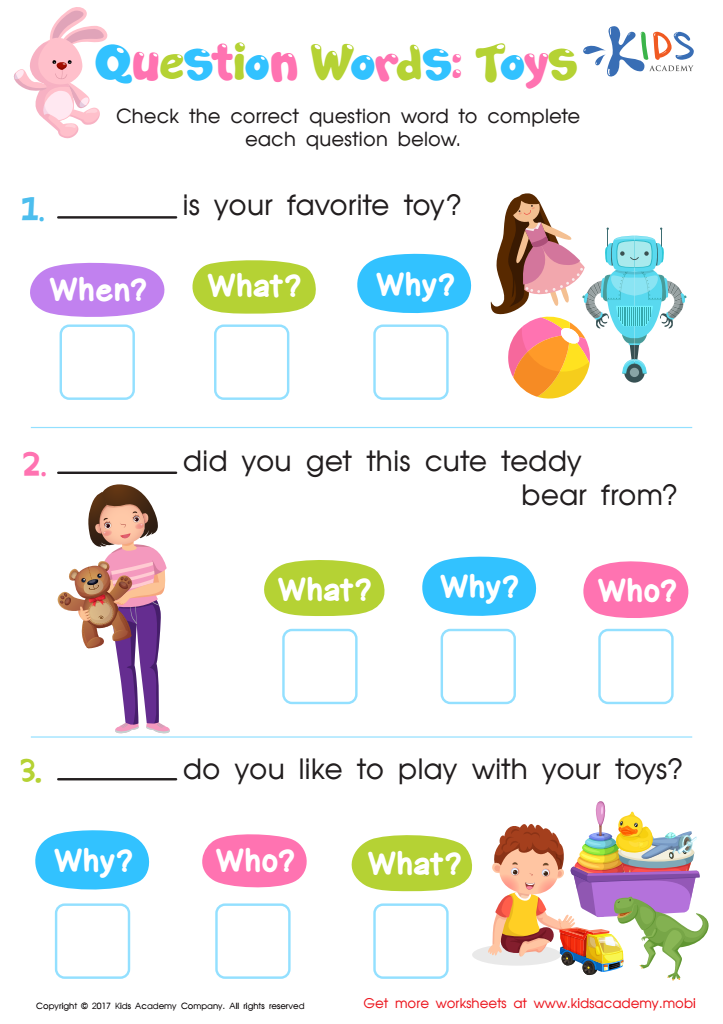
Question Words: Toys Worksheet
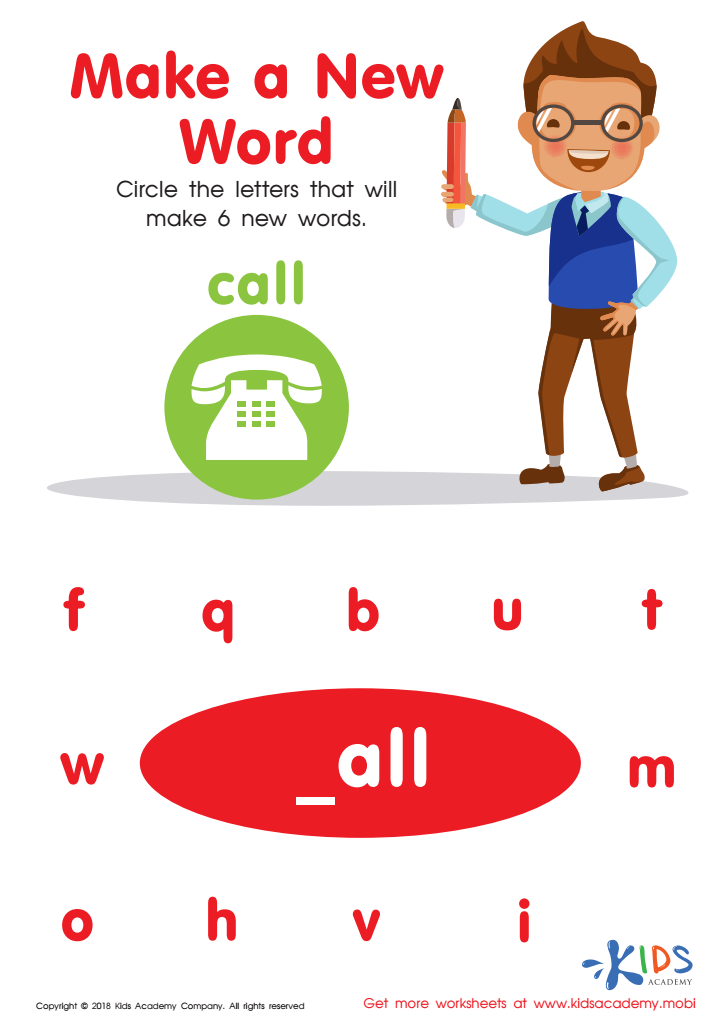
Make a New Word Worksheet








Reading comprehension and vocabulary building are foundational skills for young children (ages 4-6) that significantly impact their future academic success and overall cognitive development. During these formative years, children are highly receptive to learning, and engaging their budding abilities in reading comprehension through extra challenges can be immensely beneficial.
Firstly, enhancing vocabulary at an early age expands a child's ability to understand and use new words, facilitating their communication skills. A robust vocabulary allows children to articulate their thoughts more clearly and understand the nuances of language, which is crucial for effective interaction with peers and adults.
Secondly, improved reading comprehension helps children decode textual information better, fostering an enjoyment of reading that can last a lifetime. When children enjoy reading, they are more likely to explore varied literary genres, further expanding their knowledge and cognitive abilities. Comprehensible and engaging reading content also ignites curiosity, encouraging children to ask questions and learn about the world around them.
Moreover, strong reading skills are directly associated with better performance in other academic areas. Proficiency in reading comprehension supports learning in subjects like math, science, and social studies, where understanding written instructions and problem-solving are key.
In essence, fostering reading comprehension and vocabulary from an early age equips children with the tools they need for academic achievement and effective communication, forming a critical foundation for lifelong learning and personal development.