Word Recognition Extra Challenge Reading Worksheets for Ages 4-6
3 filtered results
Difficulty Level
Grade
Age
-
From - To
Subject
Activity
Standards
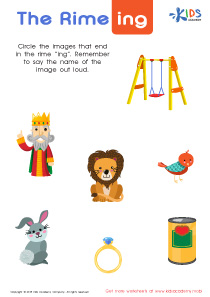
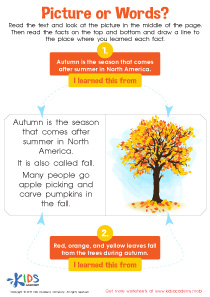
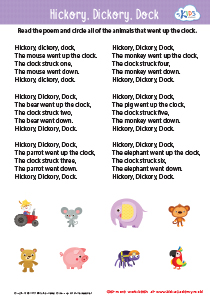
Boost your child's reading abilities with our "Word Recognition Extra Challenge Reading Worksheets" designed for kids ages 4-6. Specifically created to enhance young learners' recognition skills, these engaging worksheets provide a challenging but fun way for children to practice reading. Featuring various activities, they aim to strengthen vocabulary, phonics, and spelling in an enjoyable format that captures kids' interest. Ideal for preschool and early elementary students, these resources support foundational reading skills and build confidence in young readers. Download now to give your children the extra challenge they need for reading success!
Favorites
With answer key
Interactive
 Assign to My Students
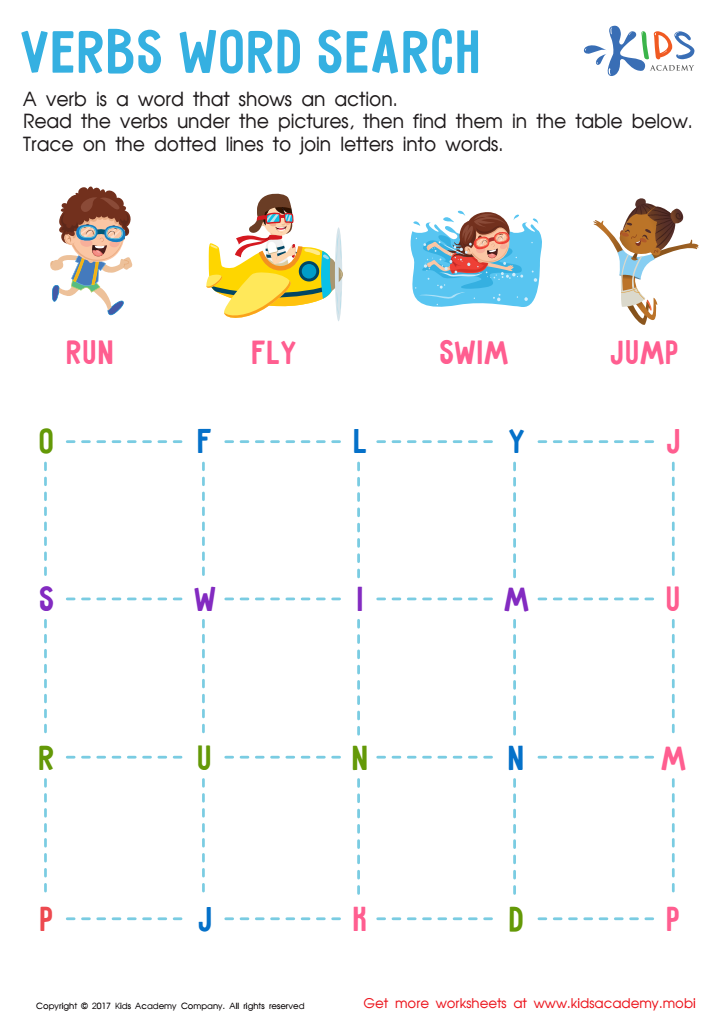
Verbs Word Search Worksheet
Ask your child if they understand the meaning of the word "verb". If not, explain that it's a word that shows an action. Give examples of familiar verbs. Then look at the pictures in the tracing sheet and read the words. Ask your child to follow the dotted lines to find the hidden words. Perfect tool to teach spot and use verbs!
Verbs Word Search Worksheet
Worksheet
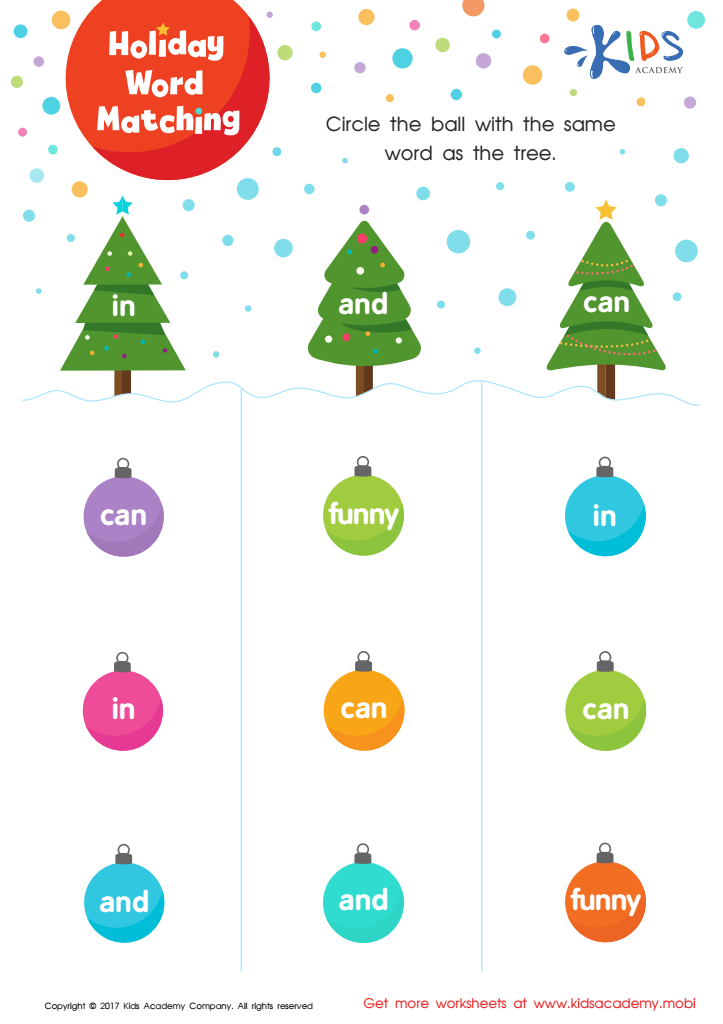
Holiday Word Matching Worksheet
Decorate with Kids Academy this year! Keep kids learning this holiday season with this festive worksheet. Let them look for sight words on Christmas trees then circle the matching ornament to decorate. It's a fun and educational way to enjoy the holidays!
Holiday Word Matching Worksheet
Worksheet
Join Kids Academy for Free
Who is primarily going to use this learning content?



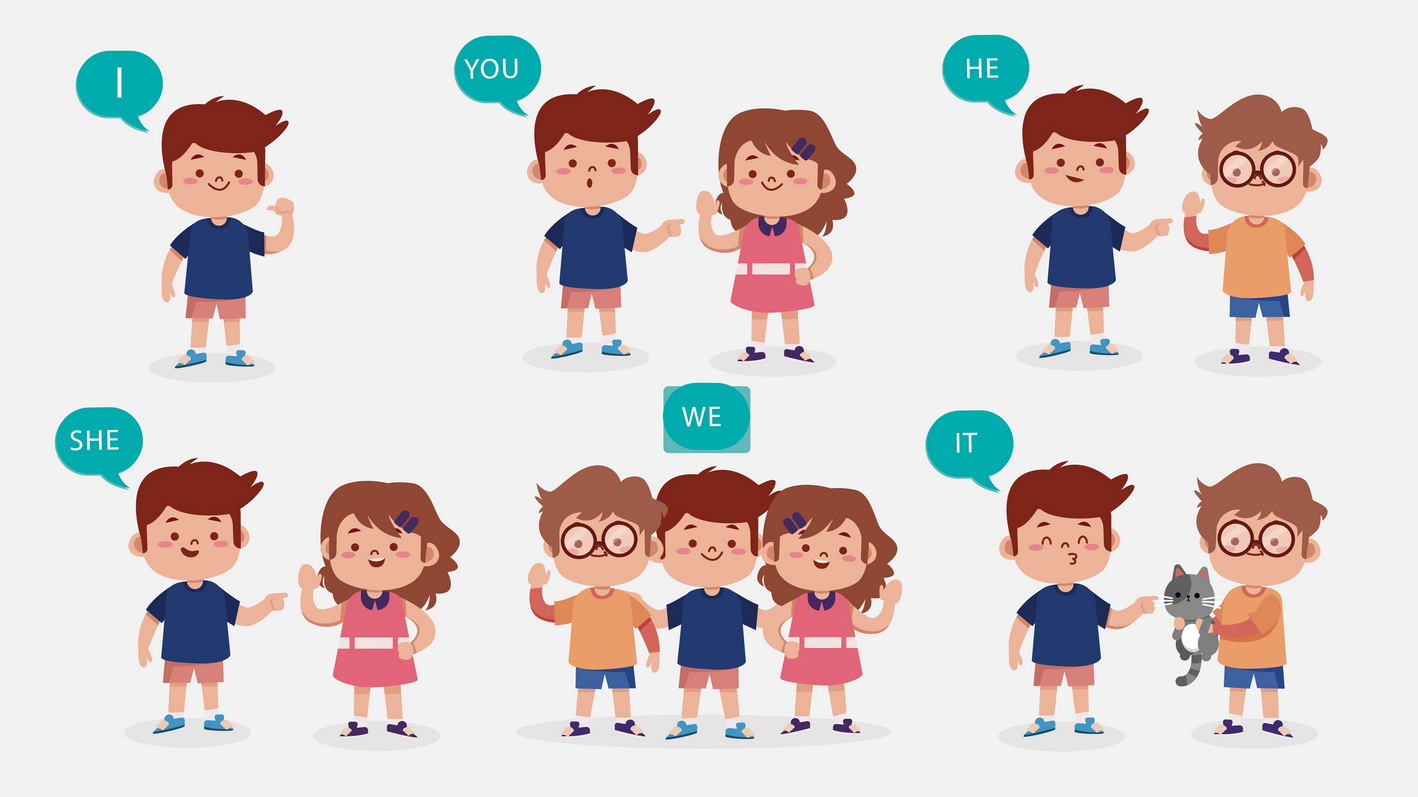



Word Recognition Extra Challenge Reading activities are essential for children aged 4-6 because these critical years lay the foundation for their future literacy and overall academic success. During this developmental stage, children are particularly receptive to language acquisition and cognitive growth. Focusing on word recognition through extra challenges can significantly boost their ability to decode and comprehend written language.
When parents and teachers prioritize these activities, children become adept at recognizing sight words, which are common words that need to be quickly identified without nearby context or phonetic decoding. This not only speeds up reading fluency but also reduces the cognitive load, allowing young readers to focus more on understanding the text rather than getting bogged down by all the words.
Moreover, word recognition exercises foster self-confidence and a positive attitude towards reading. As kids successfully meet these challenges, their enthusiasm and love for reading grow. Early word recognition skills are closely linked to broader language abilities, including vocabulary development, spelling, and even writing skills.
In summary, incorporating Word Recognition Extra Challenges in early education equips children with vital reading proficiency, aiding them in their academic journey. This proactive approach ensures that young learners develop strong literacy skills that are crucial for their long-term educational and personal development.