Reading comprehension Extra Challenge Building Vocabulary Worksheets for 4-Year-Olds
5 filtered results
-
From - To
Boost your 4-year-old's reading comprehension with our Extra Challenge Building Vocabulary Worksheets! Specifically designed for young learners, these engaging worksheets help strengthen vocabulary skills while enhancing understanding of simple texts. Through fun activities and exercises, children will explore new words in context, making learning enjoyable and effective. Perfect for parents and educators, our resources aim to ignite a love for reading and prepare kids for future academic success. These interactive worksheets cater to diverse learning styles and provide the extra challenge needed to develop critical comprehension skills. Start your child's literacy journey today with these exciting vocabulary-building resources!
 Assign to My Students











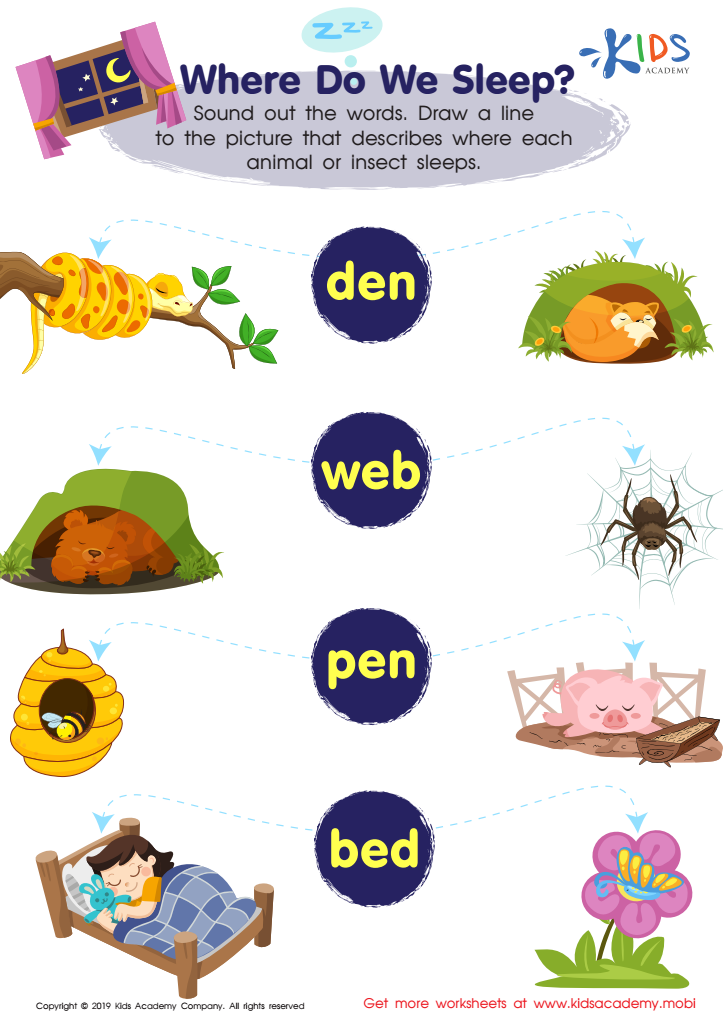
Where Do We Sleep Worksheet
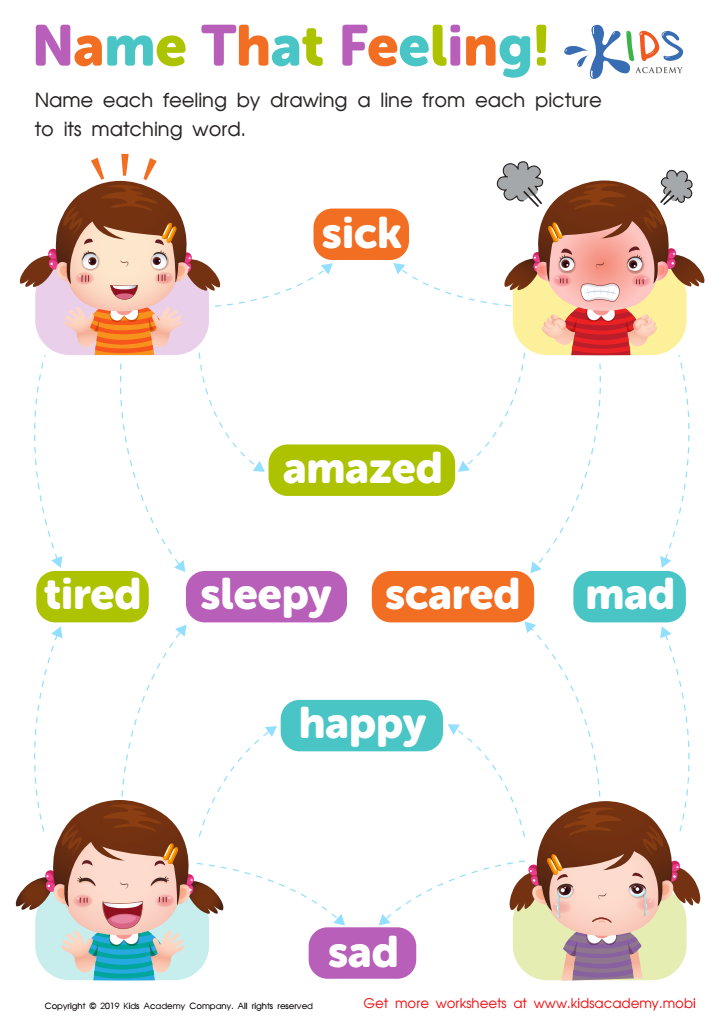
Name that Feeling Worksheet
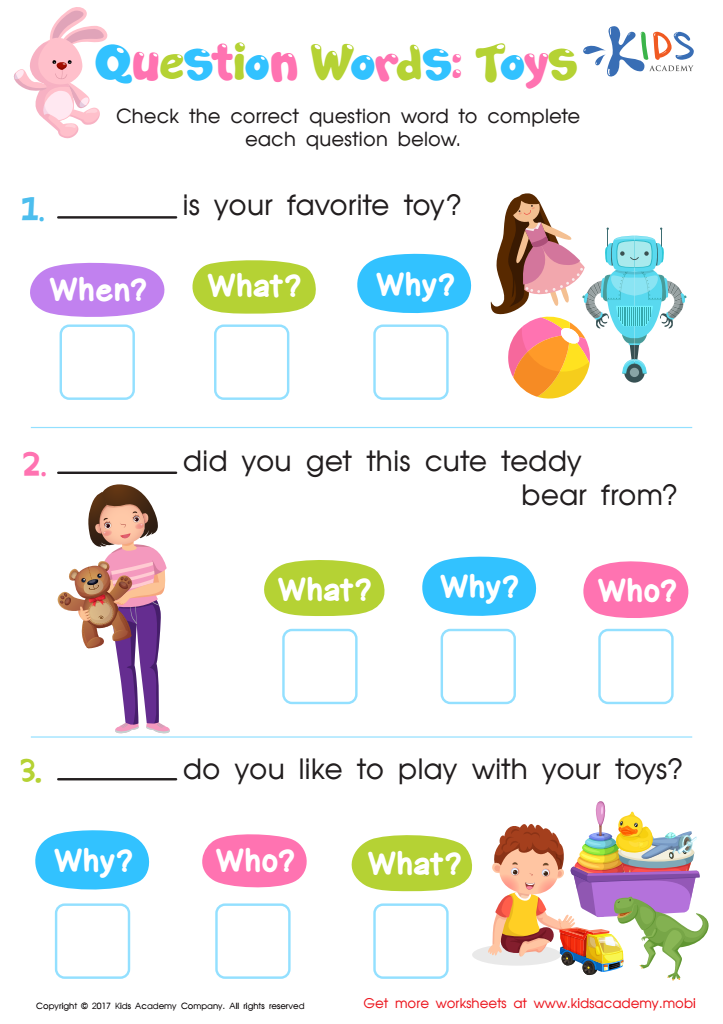
Question Words: Toys Worksheet
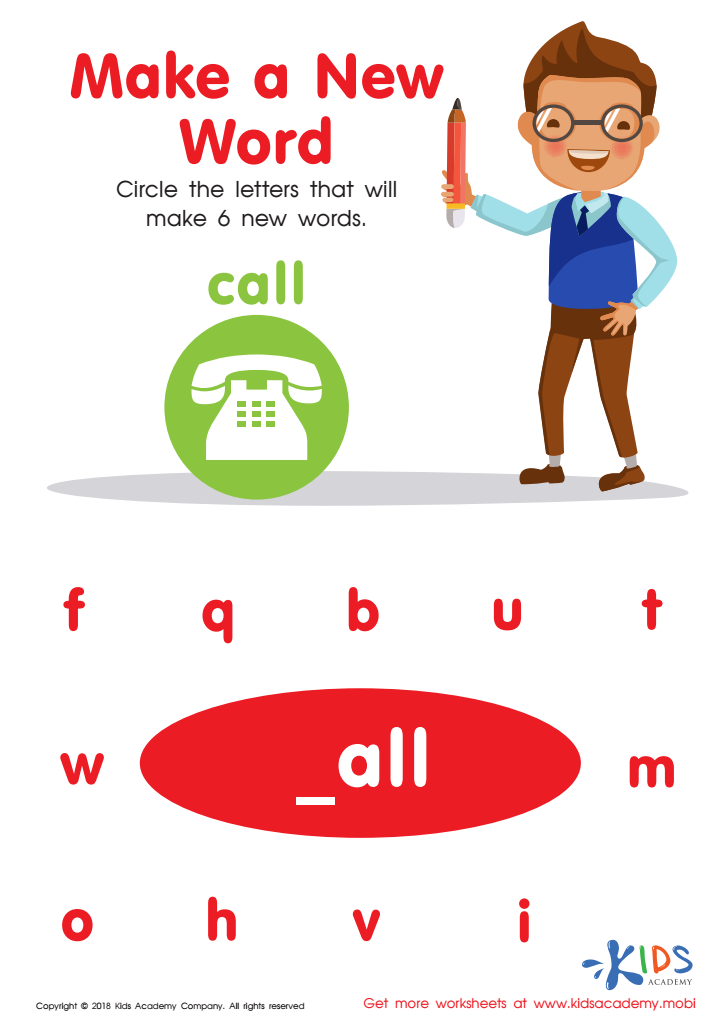
Make a New Word Worksheet








Reading comprehension and vocabulary development at a young age are crucial for setting the foundation for lifelong learning. For 4-year-olds, engaging in extra challenges to build vocabulary can significantly enhance their cognitive and language skills. At this age, children are like sponges, absorbing new information quickly, and robust vocabulary is pivotal for effective communication.
Parents and teachers should prioritize these skills because reading comprehension impacts listening, speaking, and writing abilities. When children encounter new words regularly, they can understand and articulate their thoughts better, leading to improved academic success later on. Moreover, a well-developed vocabulary contributes to social interactions and emotional expression, allowing children to build relationships and navigate their environment more effectively.
Incorporating interactive storytelling, word games, and diverse reading materials can make vocabulary building enjoyable and effective. When parents and educators nurture these skills early, they empower children to become confident readers and thinkers. This investment not only fosters a love for reading but cultivates critical thinking and problem-solving abilities, essential for success in school and beyond. Thus, promoting reading comprehension and vocabulary at this impressionable age is vital for holistic child development.