Reading comprehension Extra Challenge Building Vocabulary Worksheets for Ages 5-6

Filters

7 filtered results

Clear all filters
Favorites
With answer key
Interactive

7 filtered results

Difficulty Level

Grade


Enhance your child's literacy skills with our engaging "Reading Comprehension Extra Challenge: Building Vocabulary Worksheets" designed specifically for ages 5-6. These worksheets encourage kids to explore new words in context while promoting critical thinking and comprehension. Featuring a variety of fun exercises, such as matching words to pictures, fill-in-the-blanks, and word searches, your young learners will not only expand their vocabulary but also improve their reading skills. Perfect for both classroom and at-home learning, these worksheets provide the extra challenge needed to boost confidence and foster a lifelong love for reading. Start their vocabulary journey today!

Check out this FREE Trial Lesson on Building Vocabulary for age 5-6!

Illustrations in Informational Texts

Favorites
With answer key
Interactive
  • 5-6
  • Reading comprehension
  • Building Vocabulary
  • Extra Challenge
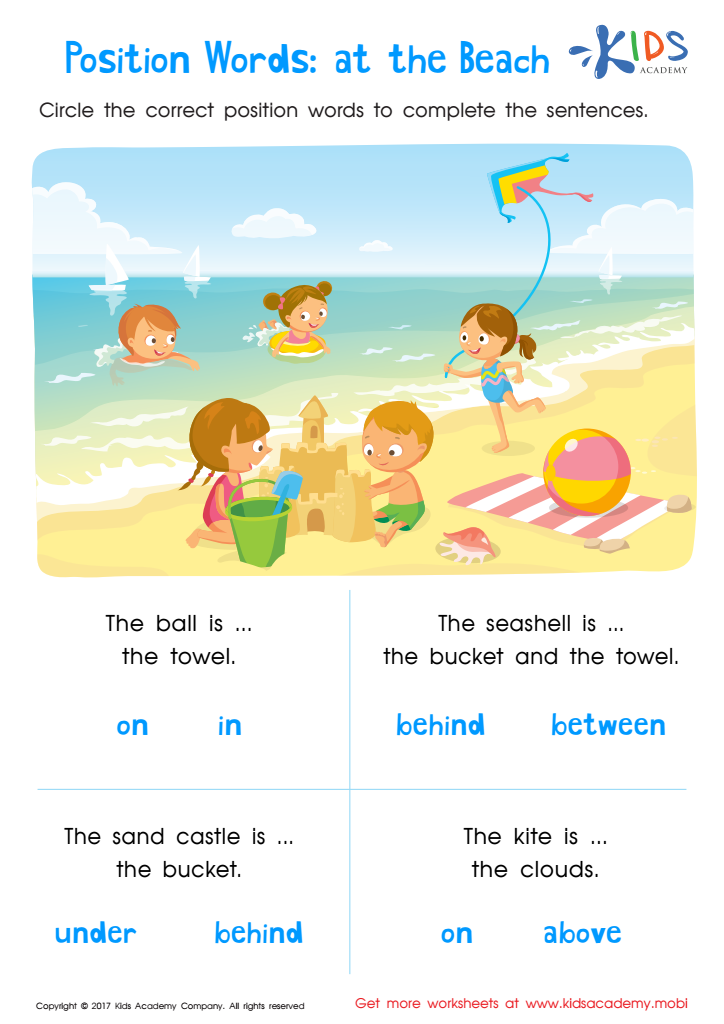
Positional Words Worksheet

At the Beach Printable Sight Words Worksheet

At the Beach Printable Sight Words Worksheet
Worksheet
Where Do We Sleep Worksheet

Where Do We Sleep Worksheet

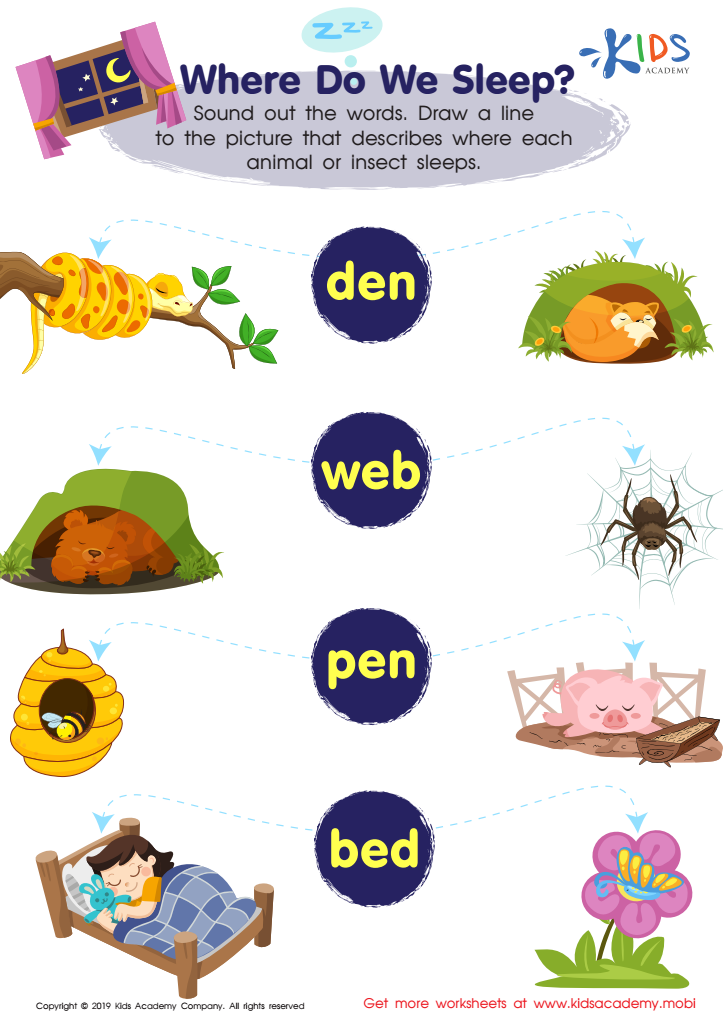
Help your kids understand the importance of a safe space with this activity: Ask them to draw a line connecting the different animals and insects to the words that describe where they sleep. Remind them that everyone needs a sanctuary to rest – like the animals and insects in this printout.
Where Do We Sleep Worksheet
Worksheet
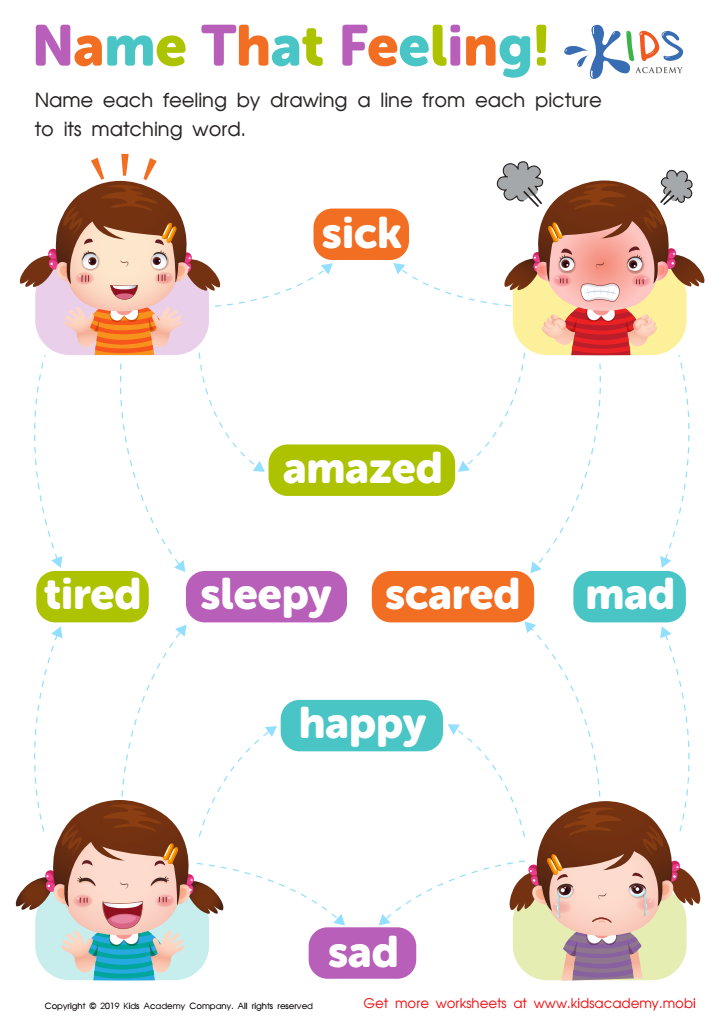
Name that Feeling Worksheet

Name that Feeling Worksheet

Fostering your child's emotional intelligence is essential for their development. This worksheet helps them associate feelings with words, improving their social skills and fine motor coordination. They'll trace pictures and words to learn the feeling vocabulary.
Name that Feeling Worksheet
Worksheet
Choose Picture Words Worksheet

Choose Picture Words Worksheet

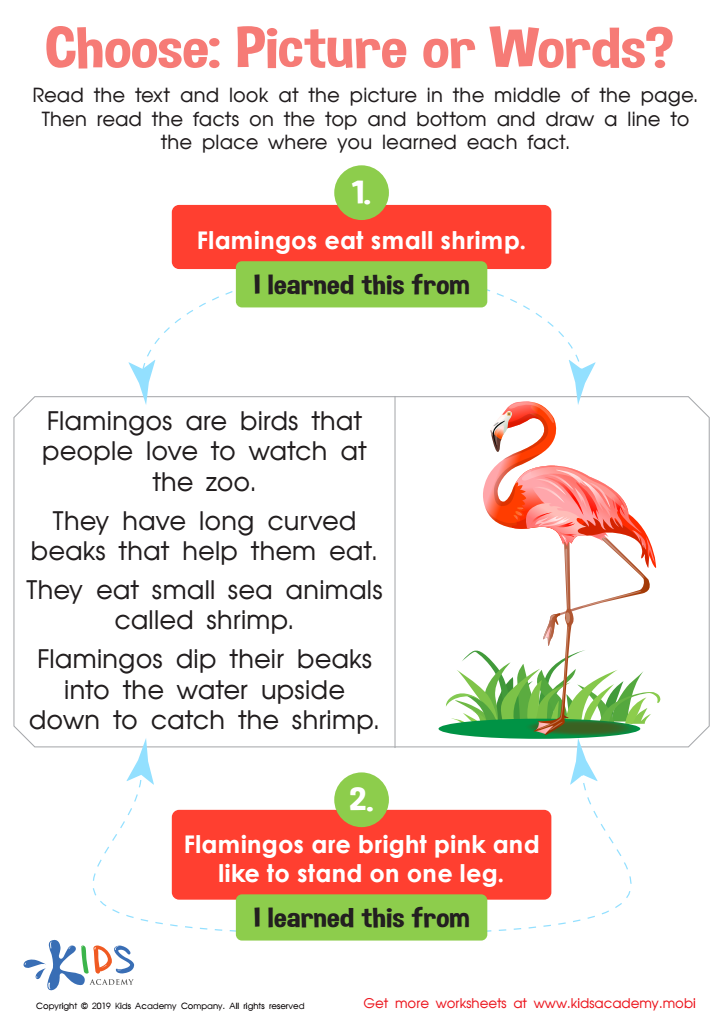
Pictures are powerful tools for children learning to read. Early readers apply their prior knowledge and pictures to create understanding. This PDF worksheet lets them understand the combined power of pictures and words, by having them choose one to answer how they learned the facts about flamingoes.
Choose Picture Words Worksheet
Worksheet
Sight Words Sentences Worksheet

Sight Words Sentences Worksheet

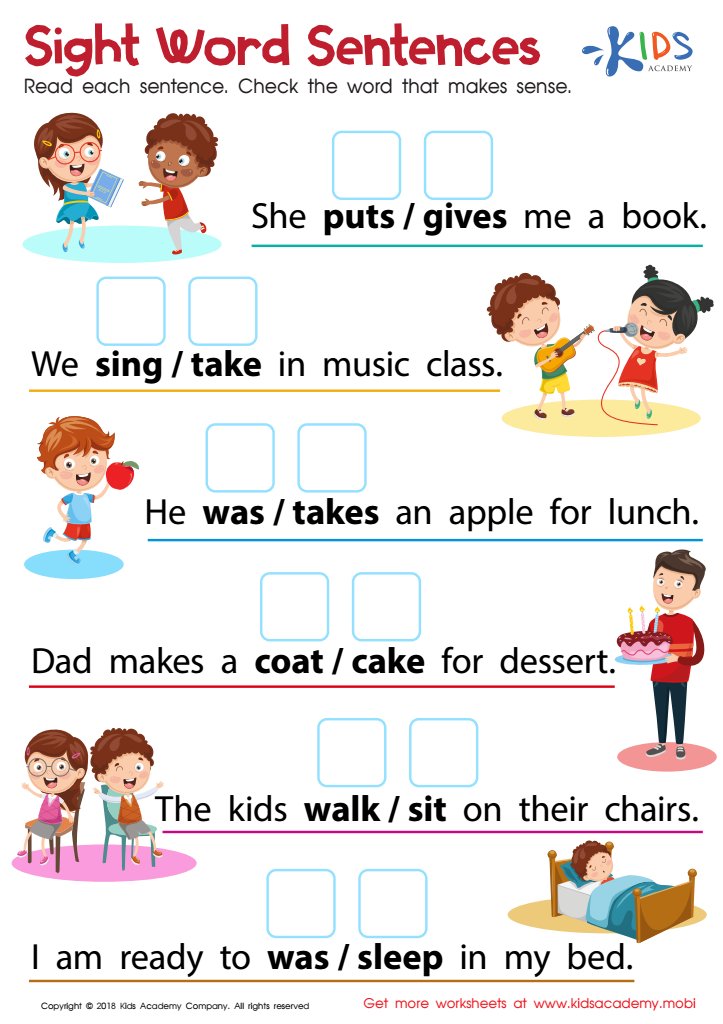
It's important for kids to practice recognizing sight words in print. This PDF provides fun practice with sentences and engaging picture clues. As they work with sight words, they'll become more familiar and automatic. Help your kids build literacy skills!
Sight Words Sentences Worksheet
Worksheet
Question Words: Toys Worksheet

Question Words: Toys Worksheet

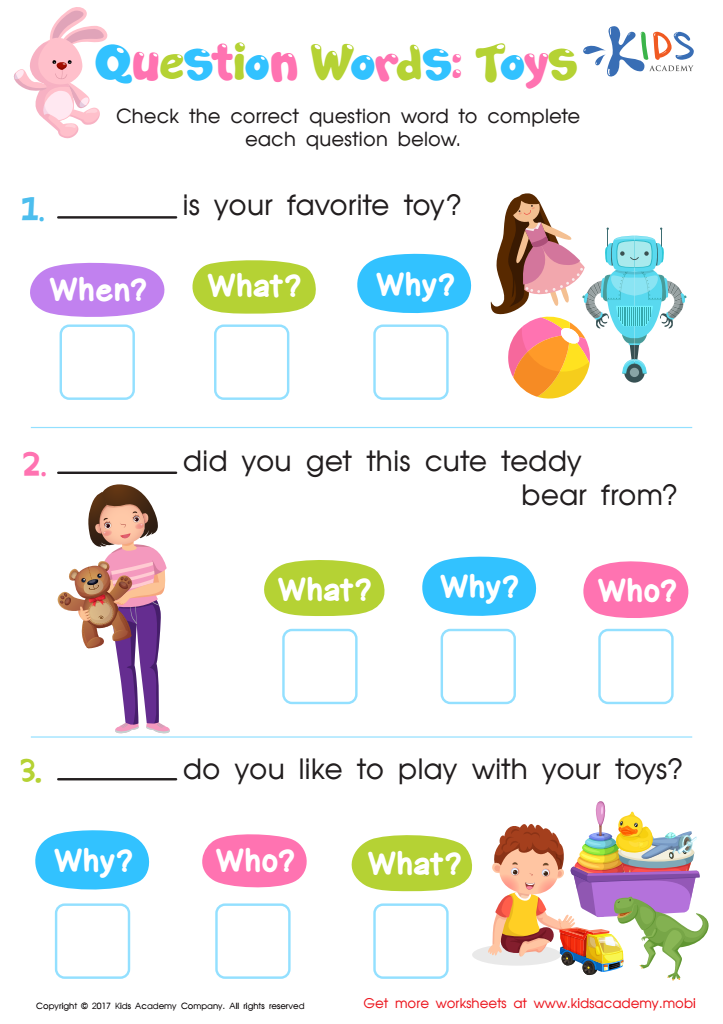
Let your kids enjoy learning to ask precise questions with this fun worksheet! Read each sentence fragment and look at the word bank, picking the correct word to complete the sentence. Check the box next to the correct word to use. It's that easy and lots of fun!
Question Words: Toys Worksheet
Worksheet
Make a New Word Worksheet

Make a New Word Worksheet

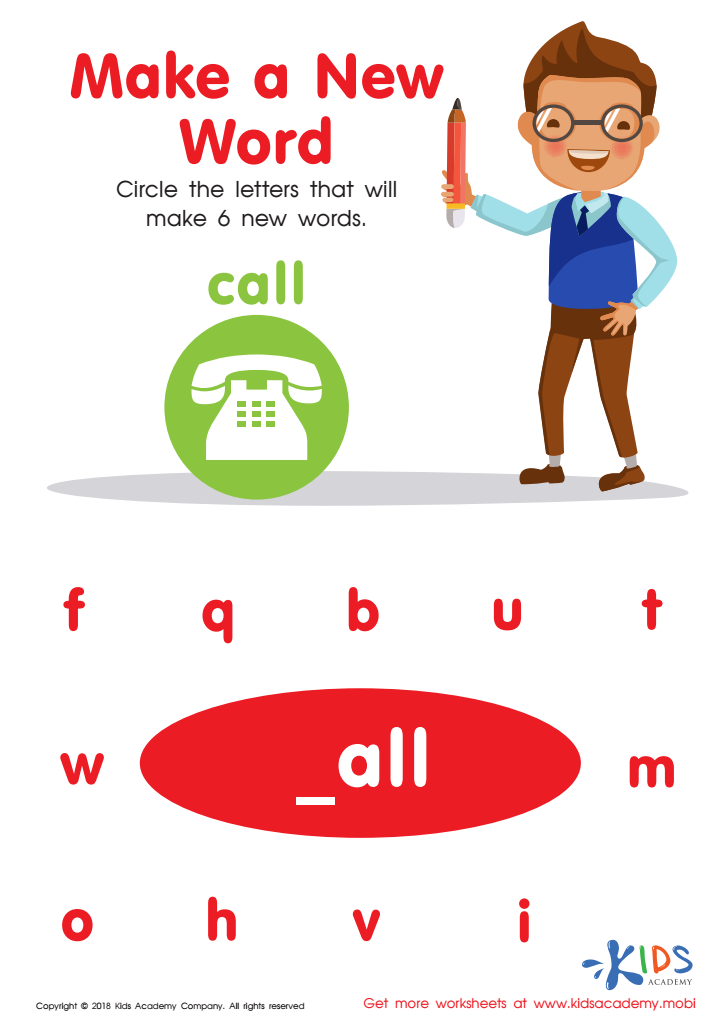
Young readers and writers can enhance their skills with this fun PDF worksheet. They'll trace letters to create new words and feel like super readers and writers after finding six words. They'll also practice building words with the "all" word family.
Make a New Word Worksheet
Worksheet


Reading comprehension and vocabulary building are crucial for children aged 5-6 years, as they form the foundation for lifelong learning and academic success. During these early years, children develop critical language skills that shape their ability to understand and engage with the world around them. Parents and teachers should prioritize improving reading comprehension and vocabulary because these skills are linked to overall cognitive development, emotional intelligence, and social skills.

When children enhance their comprehension skills, they can make sense of texts, follow narratives, and connect ideas, which boosts their confidence and motivation to read. Concurrently, by expanding their vocabulary, children are better equipped to articulate their thoughts, ask questions, and express their feelings, thus facilitating communication.

In addition, a strong vocabulary empowers children to access a broader range of texts, aligning with their interests and encouraging curiosity. Utilizing extra challenges, such as word games or comprehension exercises, can create engaging, interactive learning experiences, making the process enjoyable and effective.

Ultimately, fostering reading comprehension and vocabulary at this age not only prepares children for future academic challenges but also nurtures a love for learning, setting the stage for a successful journey through education and beyond.