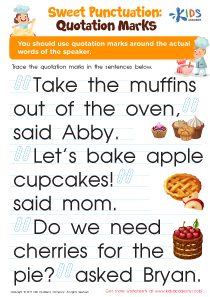
Logical thinking Extra Challenge Grammar Worksheets for Ages 5-9
3 filtered results
-
From - To
Elevate your child's grammar skills with our "Logical Thinking Extra Challenge Grammar Worksheets" designed for ages 5-9. These engaging worksheets combine essential grammar practices with fun, thought-provoking activities to boost logical thinking and language mastery. Perfect for young learners eager to enhance their writing abilities, each worksheet promotes critical thinking, problem-solving, and creative use of grammar rules. Our expertly crafted worksheets ensure a stimulating learning experience, advancing your child's skills while keeping them motivated and excited. Discover an effective way to support your child's educational journey with these challenging and enjoyable grammar exercises.
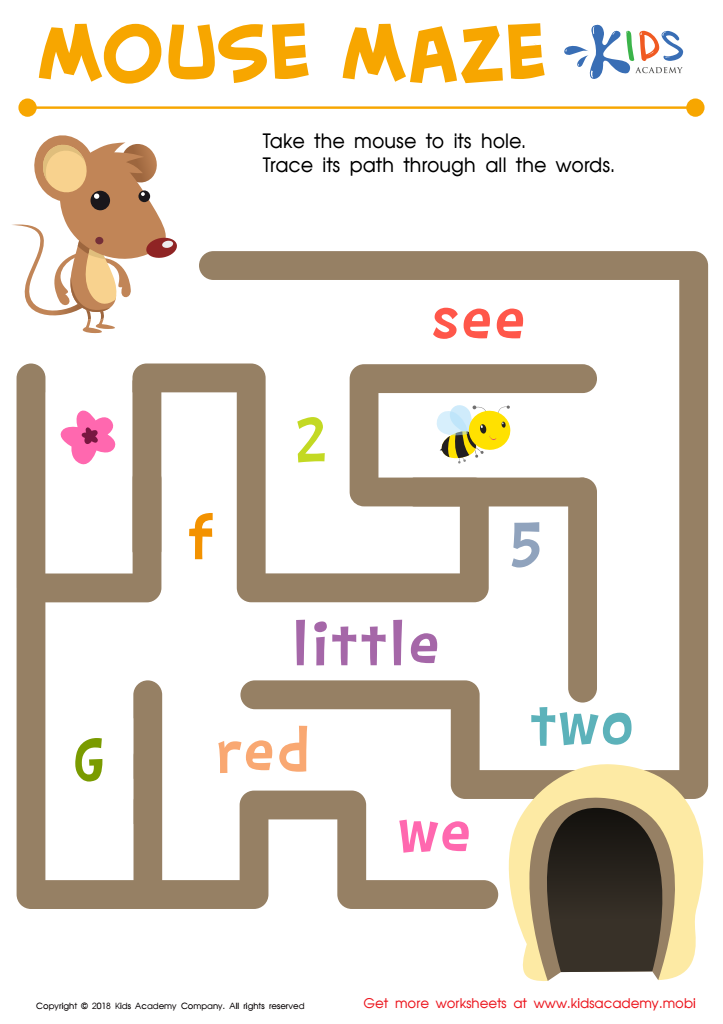
Find Words Mouse Maze Worksheet
 Assign to My Students
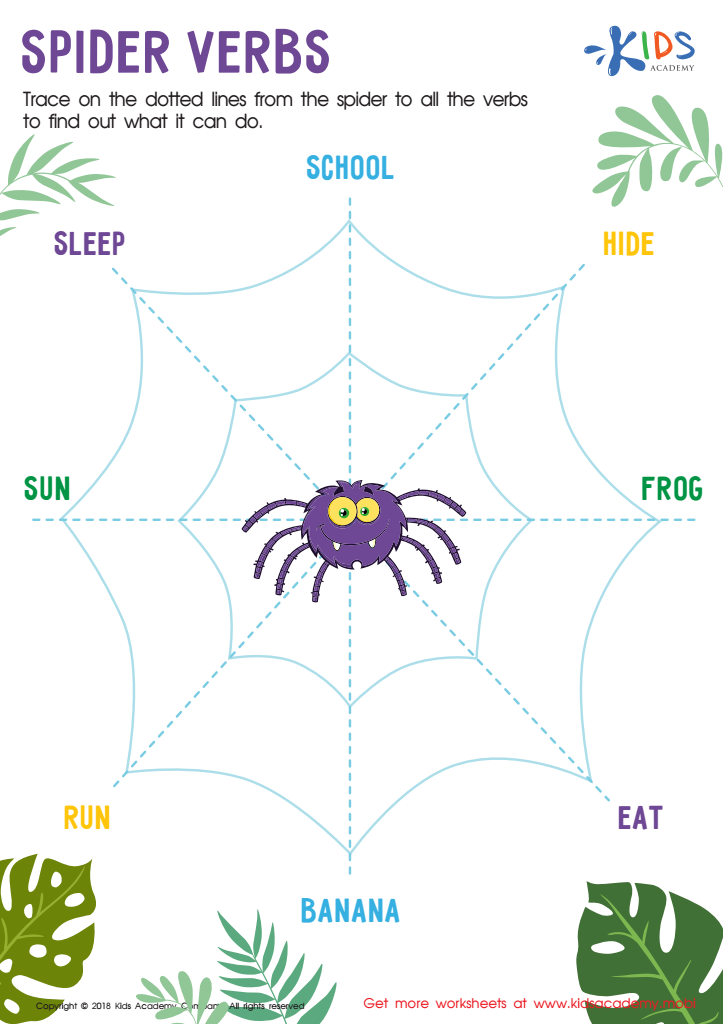
Spider Verbs Worksheet
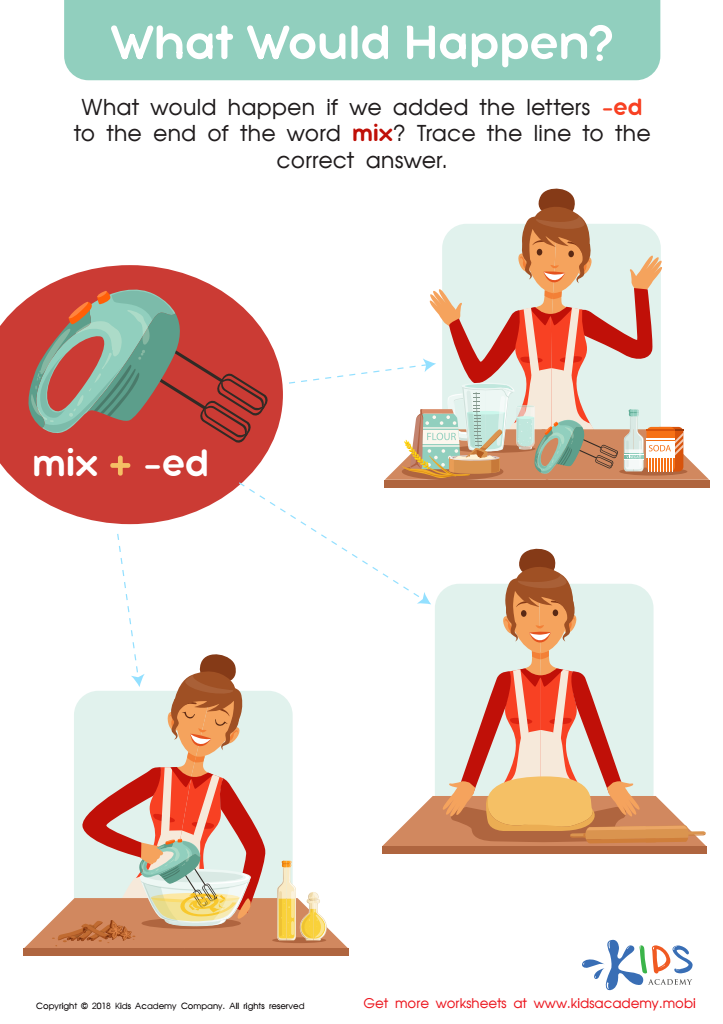
What Would Happen? Worksheet




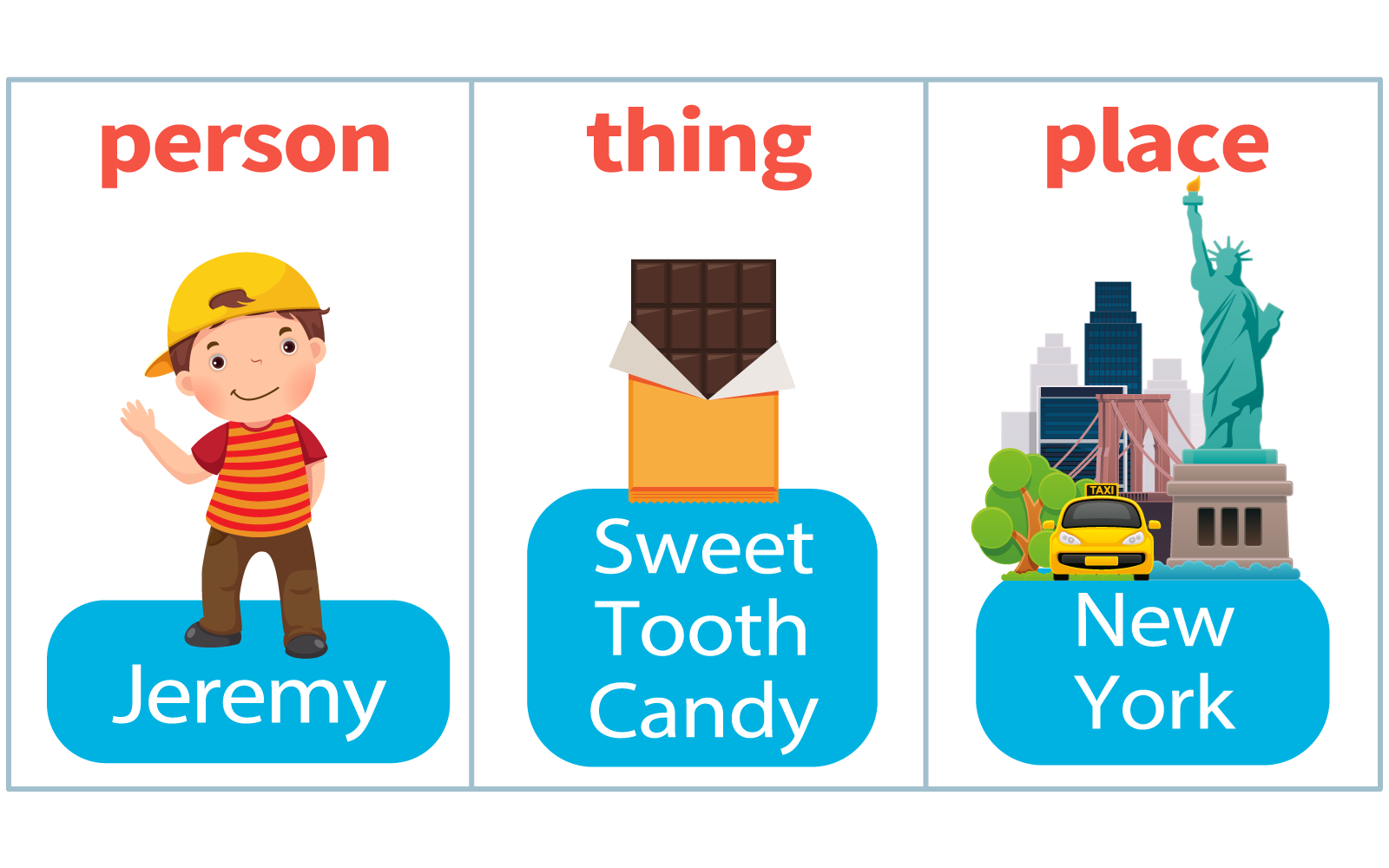



Parents and teachers should prioritize Logical Thinking Extra Challenge activities and focused grammar lessons for children aged 5-9 because these foundational years are crucial for cognitive and linguistic development. Logical thinking helps children improve their problem-solving abilities by encouraging them to analyze situations, recognize patterns, and make reasoned decisions. Such skills are essential not only for academic success but also for everyday life, where children will constantly face situations requiring thoughtful judgment.
Incorporating grammar into early education is equally important. It helps children understand the structure and function of language, enabling them to communicate more effectively. Clear communication is a vital skill that impacts all areas of life, including social interactions, academic performance, and future professional opportunities.
Engaging in these combined activities at a young age aligns with the natural curiosity and learning capacity of children, making education both enjoyable and meaningful. For parents and teachers, fostering an environment that challenges and supports children’s logical and linguistic growth sets the stage for future success. By emphasizing these areas, grown-ups help build a strong educational foundation that encourages lifelong learning and adaptability, which are critical in a rapidly changing world.