Vocabulary Building Extra Challenge Reading Worksheets for Ages 6-8
5 filtered results
-
From - To
Unlock your child's potential with our Vocabulary Building Extra Challenge Reading Worksheets for ages 6-8! Designed to enhance language skills, these engaging and educational worksheets help children master new words in a fun and stimulating way. Our expertly crafted activities foster reading comprehension, critical thinking, and creative expression. Perfect for young learners ready to level up, these worksheets tackle advanced vocabulary through exciting stories and challenging exercises. Empower your child's communication abilities and boost their confidence with our easy-to-use, print-and-go resources from Kids Academy. Give your little reader the extra edge they deserve!
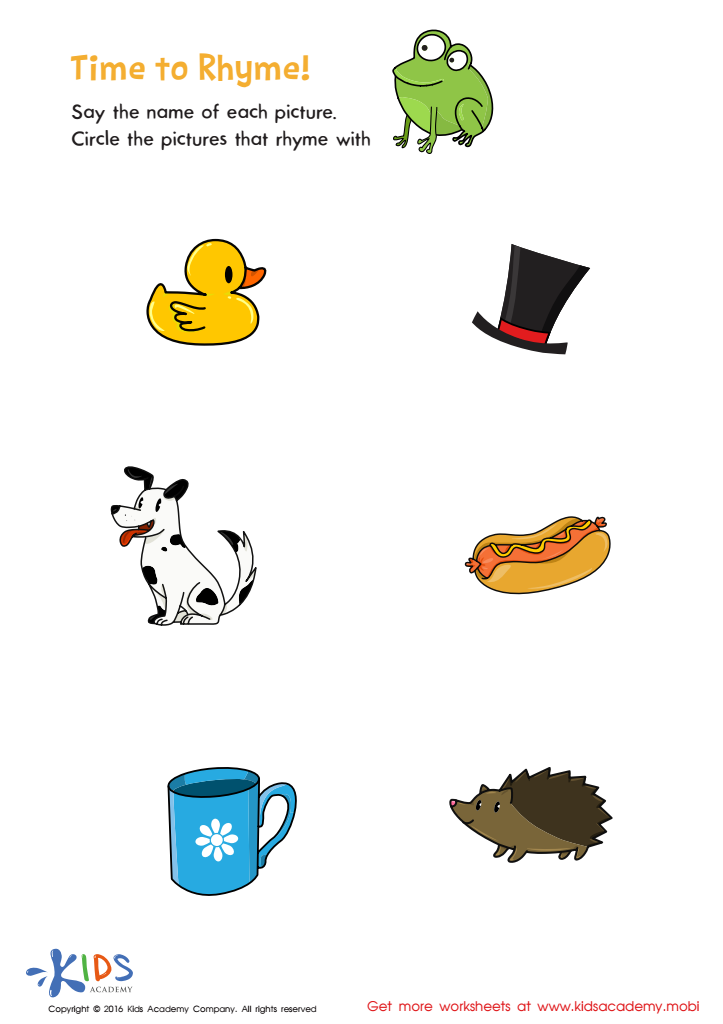
Rhyming Worksheet: Time to Rhyme Rhyming Worksheet
 Assign to My Students
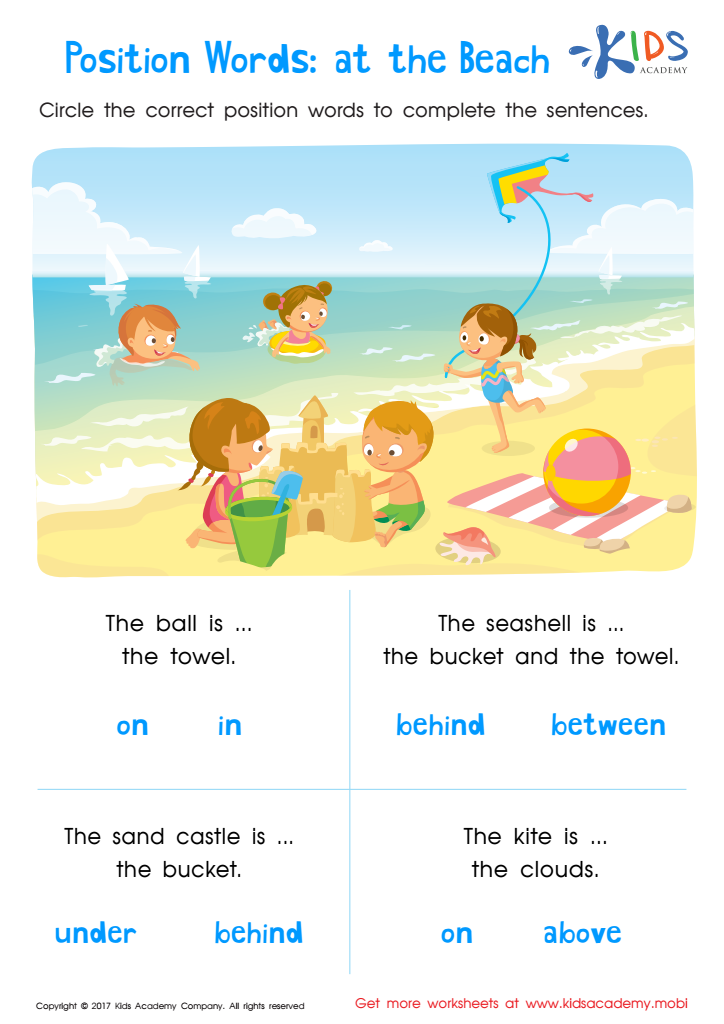
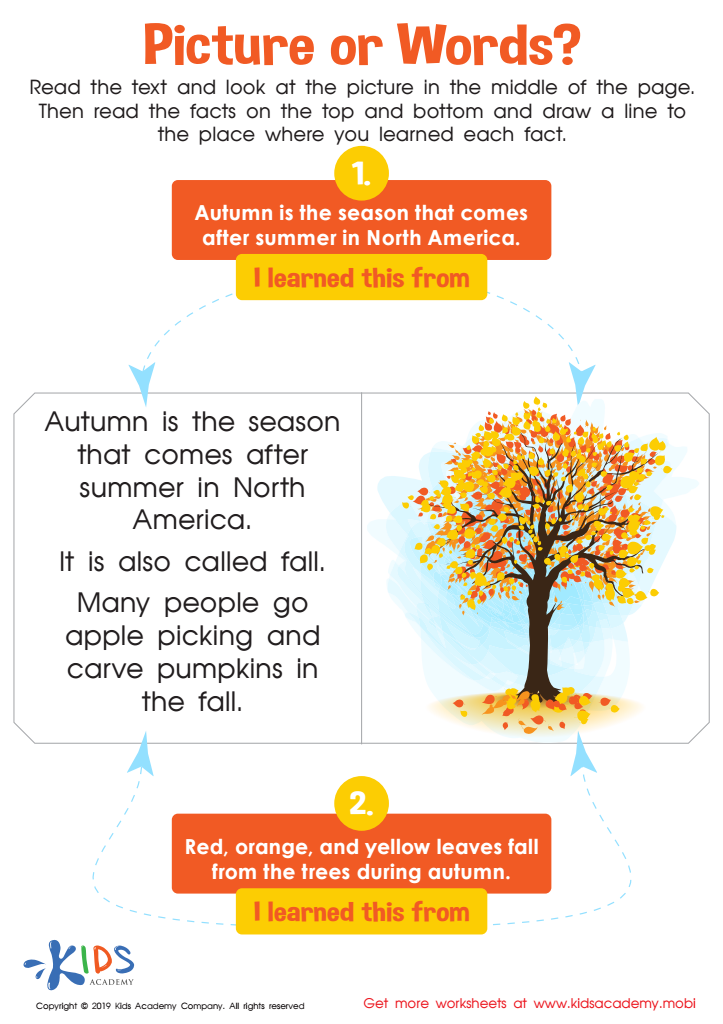
Picture Words Worksheet
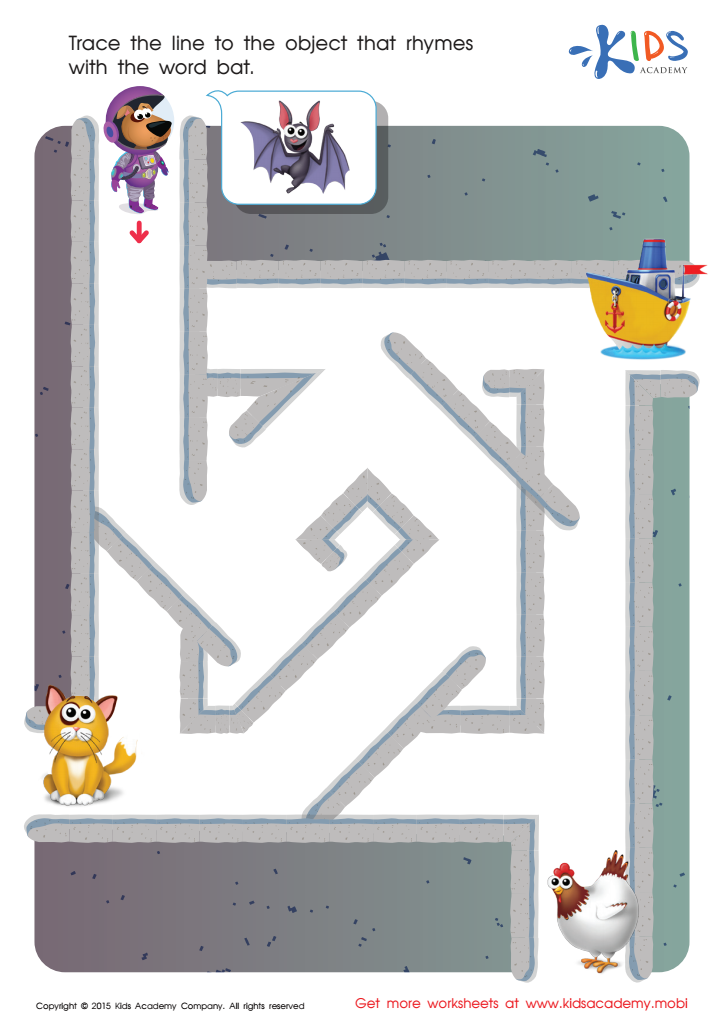
Bat Rhyming Words Worksheet
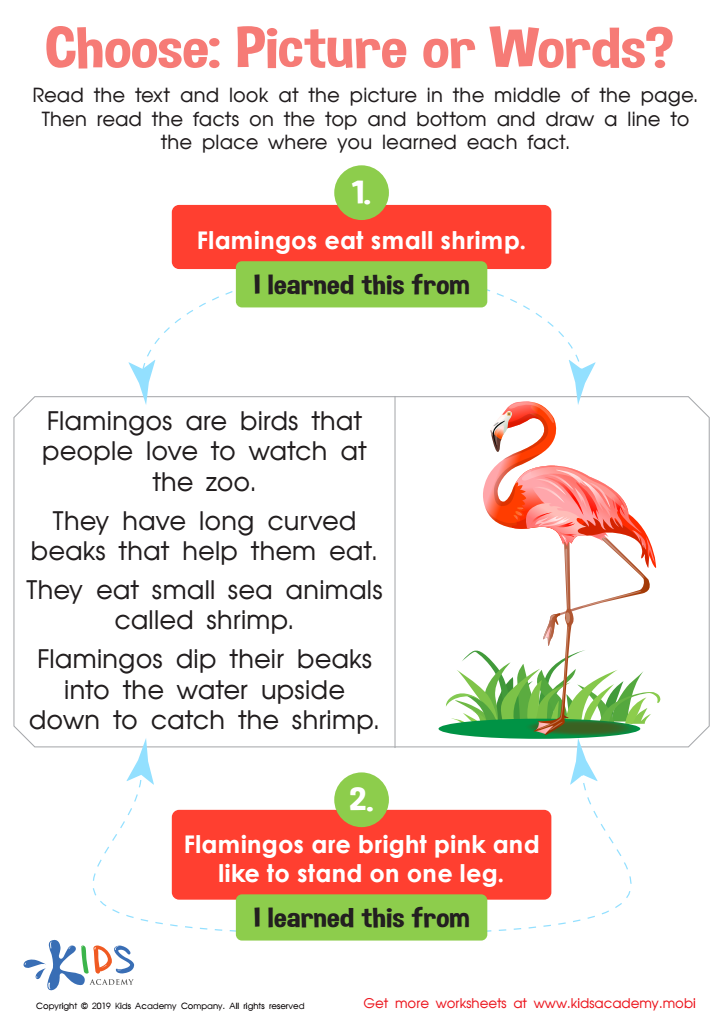
Choose Picture Words Worksheet








Vocabulary Building Extra Challenge Reading for ages 6-8 is critical for numerous reasons. During these formative years, children's brains are exceptionally receptive to learning new words, a key component of their cognitive development. Engaging with challenging vocabulary helps build a strong foundation for reading comprehension, enhancing their ability to understand and enjoy complex texts as they grow. This skill is not only vital for academic success but also for effective communication in everyday life.
By introducing advanced words in a supportive and engaging way, parents and teachers can ignite a child's curiosity and love for language. This fosters a positive attitude toward reading and learning in general. Moreover, robust vocabulary building contributes to better writing skills, allowing children to express their thoughts and emotions more clearly and creatively.
Challenging reading materials also teach children critical thinking skills. They learn to decipher meanings through context, connect ideas, and develop independent learning habits. Such skills are indispensable for lifelong learning and problem-solving.
In essence, investing effort in vocabulary building at an early age sets students up for sustained educational achievements, improved social interactions, and a strong sense of self-esteem. Therefore, both parents and teachers should prioritize this component of early childhood education.