Vocabulary development Extra Challenge Grammar Worksheets for Ages 6-8
3 filtered results
Difficulty Level
Grade
Age
-
From - To
Subject
Activity
Standards
Enhance your child's language skills with our "Vocabulary Development Extra Challenge Grammar Worksheets for Ages 6-8." Specially designed for young learners, each worksheet provides a stimulating and engaging way to boost vocabulary, understanding with challenging grammar exercises. Perfect for advanced students or those seeking an extra push, these activities focus on word usage within context, synonyms, antonyms, sentence structure, and more. Build a solid linguistic foundation and inspire confidence in reading and writing through fun, educational practices. Visit Kids Academy for these expertly crafted resources and watch your child's vocabulary flourish!
Favorites
With answer key
Interactive
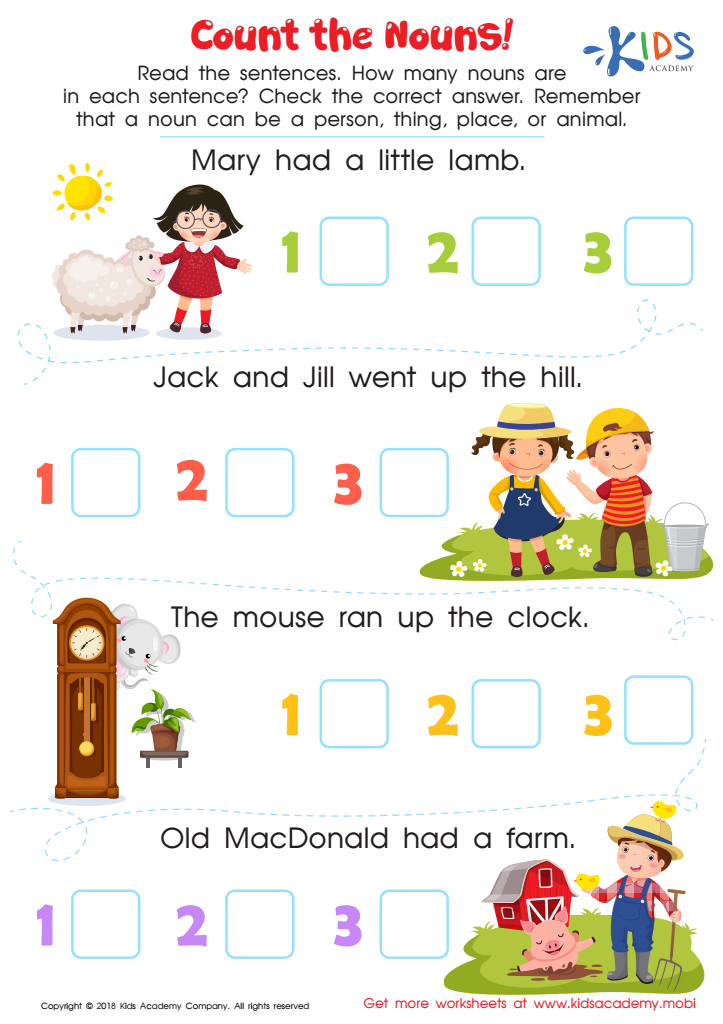
Count the Nouns Worksheet
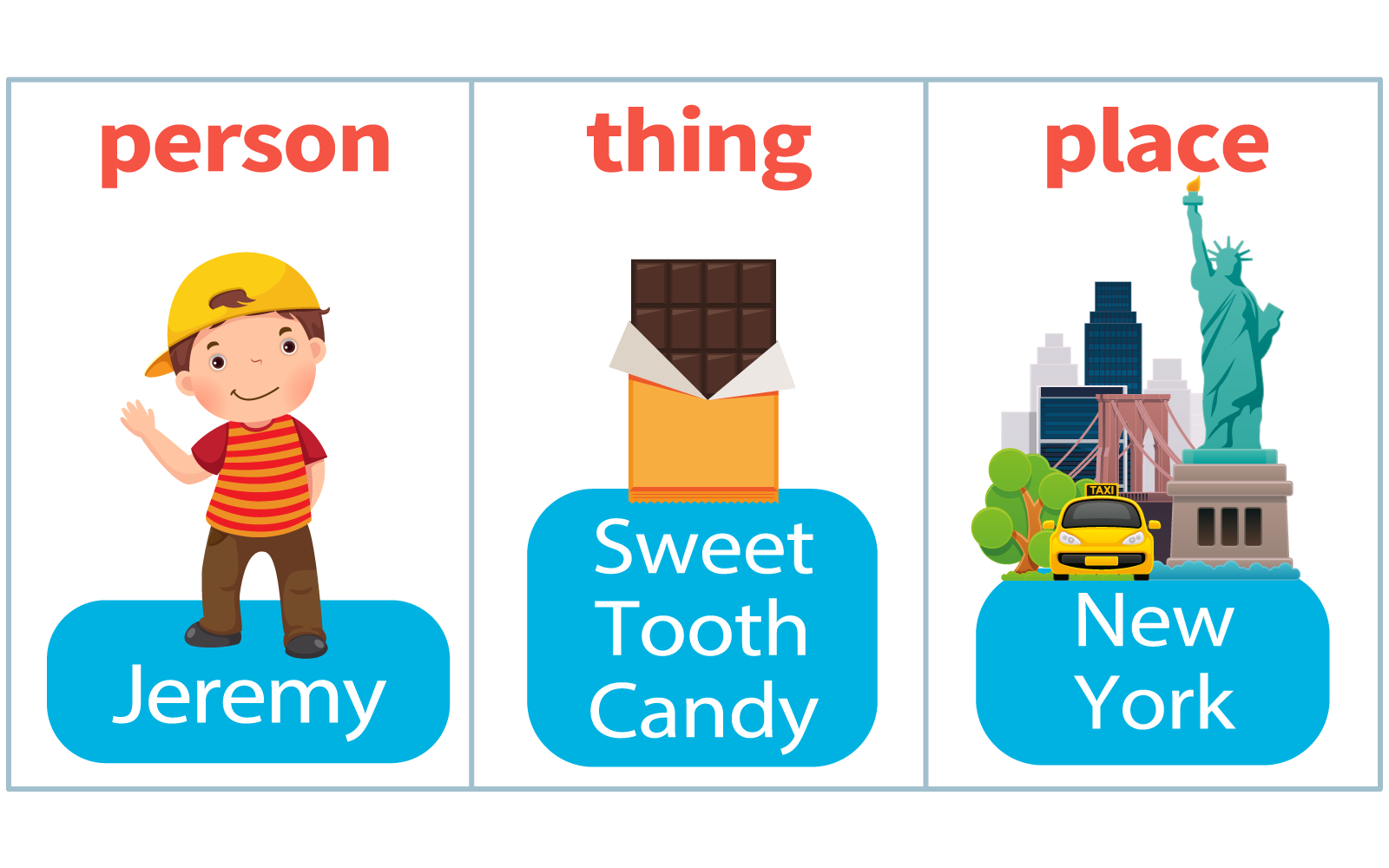
Read the sentences with your children and ask them to find the nouns. Explain that nouns are names of people, animals, places or things. Point out the boxes with the answers to check.
 Assign to My Students
Count the Nouns Worksheet
Worksheet
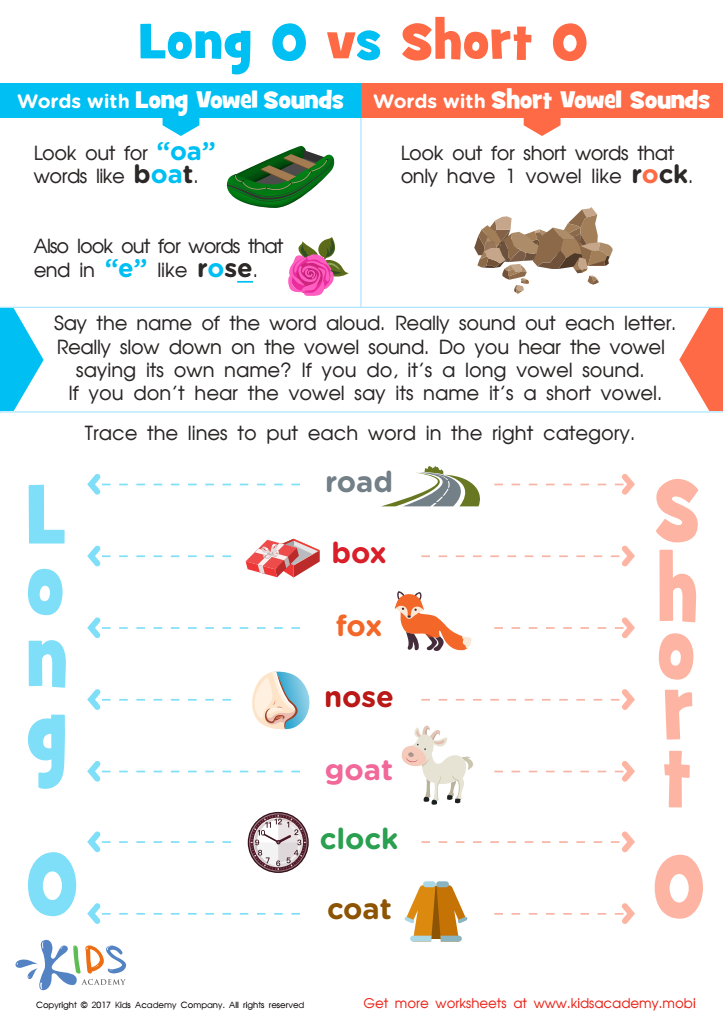
Long and Short Vowel O Spelling Worksheet
This colorful worksheet teaches kids to distinguish tricky "O" words. It's easy to spot the long "O" sound by looking for an extra vowel. Kids practice by viewing examples and sounding out each word. Help your child master long and short vowel "O" sounds!
Long and Short Vowel O Spelling Worksheet
Worksheet
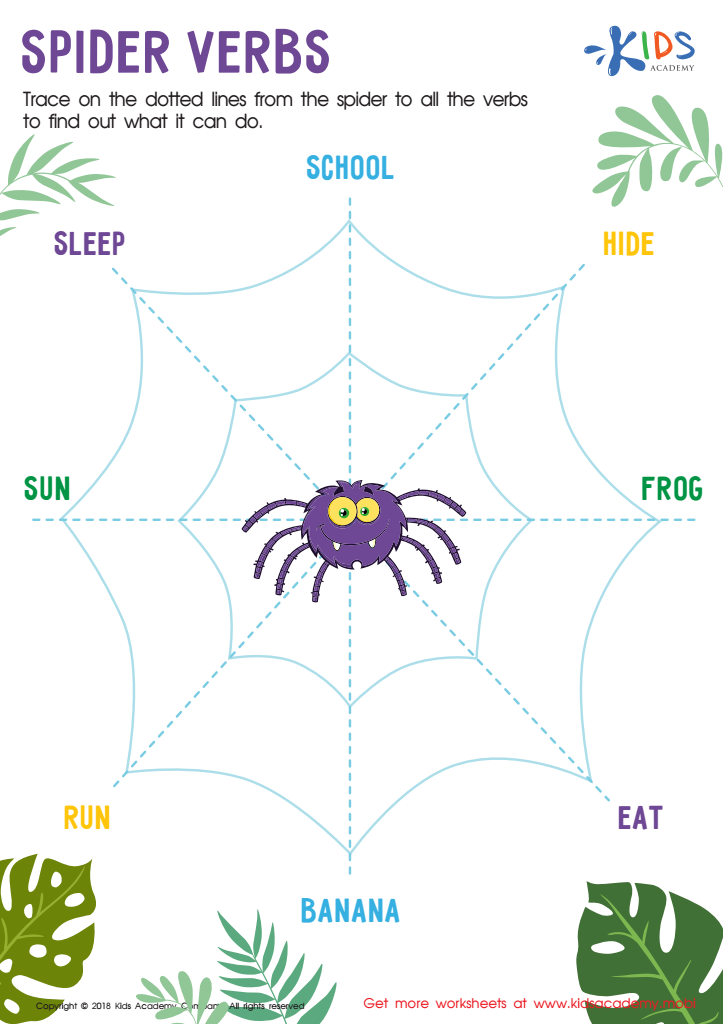
Spider Verbs Worksheet
Verbs are action words. Examples: run, play, talk. Show your child this tracing sheet for them to learn about verbs. Ask them to trace the dotted lines from the spider to the words that are verbs. These words are what the spider can do.
Spider Verbs Worksheet
Worksheet
Join Kids Academy for Free
Who is primarily going to use this learning content?






Vocabulary development and grammar skills are foundational components of a child's educational journey, especially between the ages of 6-8. During these formative years, children transition from mere recognition of words to understanding their meanings, using them appropriately, and constructing coherent sentences.
Enhanced vocabulary allows children to comprehend reading material more effectively and express their thoughts and emotions with greater clarity. This understanding opens up a world of knowledge, boosting their academic performance across all subjects. When children are equipped with a robust vocabulary, they can better understand instructions, engage in classroom discussions, and feel more confident in their verbal and written communication.
Grammar, on the other hand, provides the rules needed to string words together meaningfully. Proper grammar skills help children formulate sentences correctly, improving both written and spoken language. Mastery of grammar not only enhances reading comprehension but also refines critical thinking and problem-solving skills, as children learn to analyze how sentences are structured and how different language components interact.
Therefore, parents and teachers should prioritize vocabulary development and grammar exercises, leveraging age-appropriate methods like interactive reading, word games, and engaging writing activities. These skills lay the groundwork for lifelong learning and effective communication, empowering children to navigate their academic and social lives more effectively.