Vocabulary development Extra Challenge Grammar Worksheets for Ages 6-9
3 filtered results
-
From - To
Enhance your child's vocabulary development with our engaging Extra Challenge Grammar Worksheets designed specifically for ages 6-9. These worksheets provide a fun and interactive way for young learners to strengthen their grammar skills while expanding their word knowledge. Featuring a variety of exercises that encourage critical thinking and creativity, each worksheet helps children explore new vocabulary through engaging activities like word puzzles, sentence construction, and contextual usage. Perfect for classroom activities or at-home learning, our Extra Challenge worksheets are an excellent resource for fostering a love of language in early learners. Unlock your child's potential with these educational tools today!
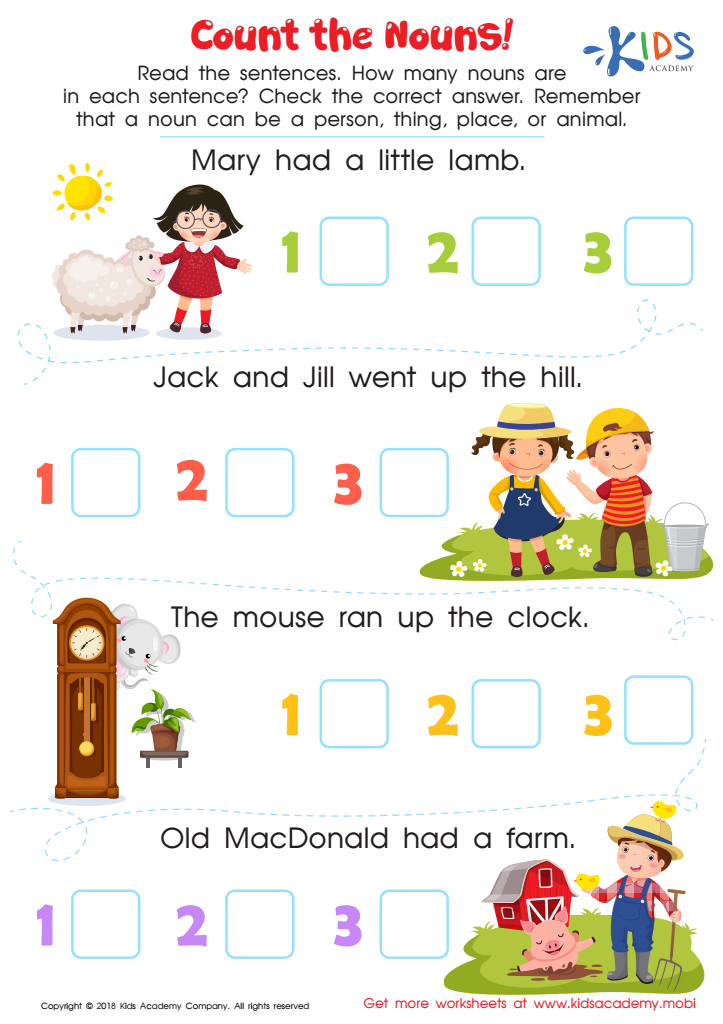
Count the Nouns Worksheet
 Assign to My Students
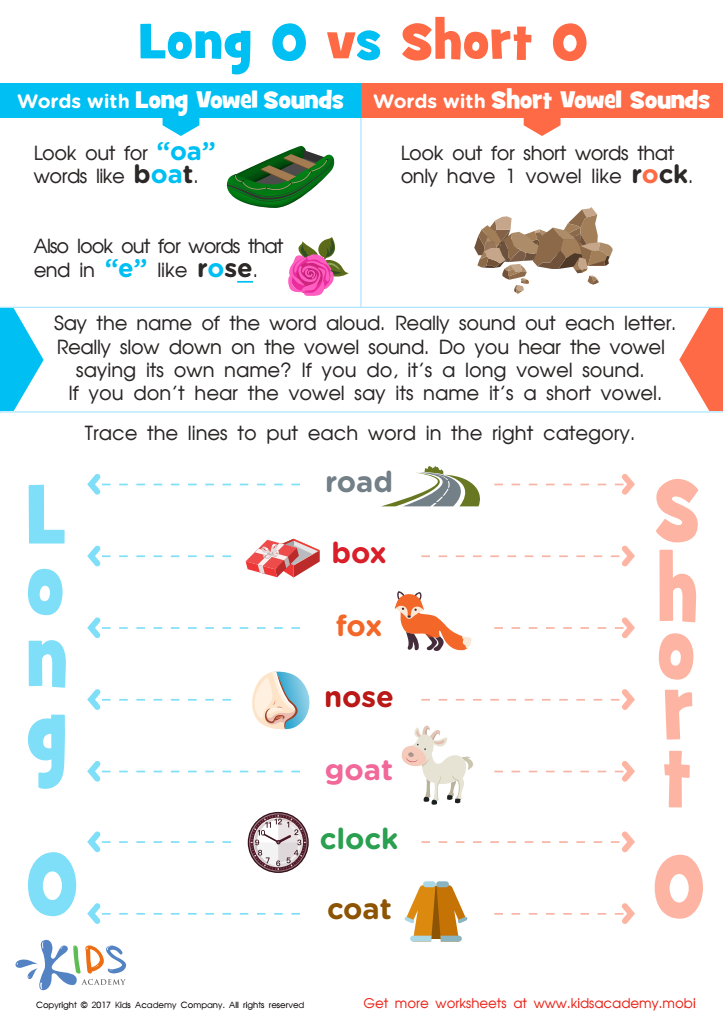
Long and Short Vowel O Spelling Worksheet
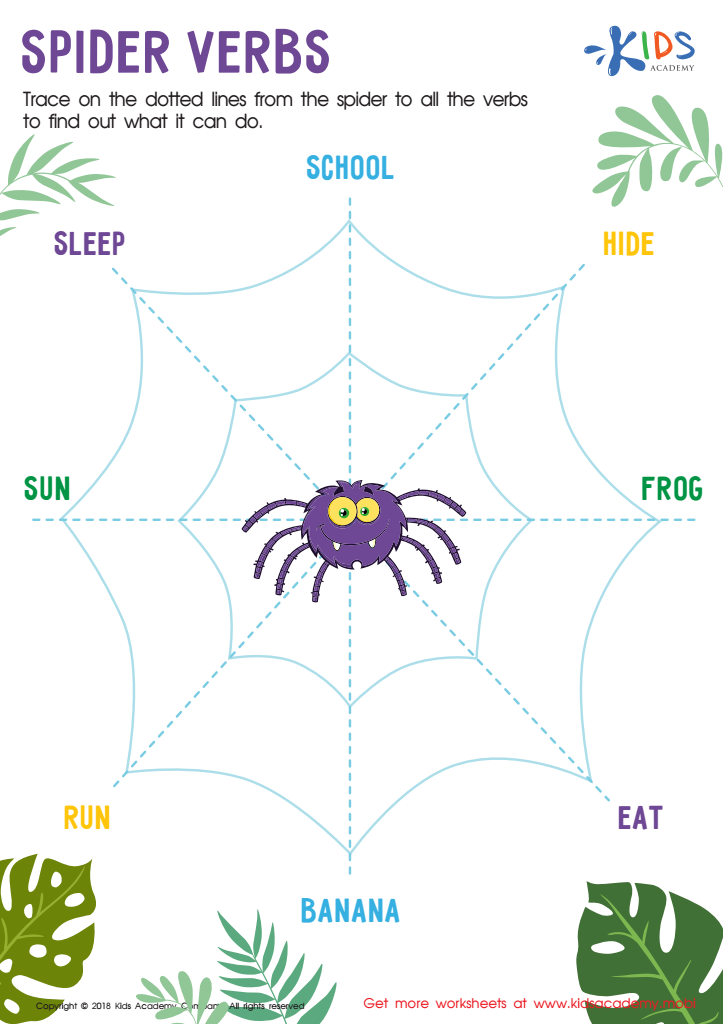
Spider Verbs Worksheet








Vocabulary development is crucial for children aged 6-9 as it lays the foundation for their communication skills, comprehension, and overall academic success. During these formative years, children are not only learning to read but also reading to learn. A robust vocabulary enables them to express their thoughts clearly and understand complex concepts in subjects such as math, science, and social studies.
Moreover, vocabulary skills are directly linked to reading proficiency. Children who have a wide range of vocabulary are more capable of grasping new information, making connections, and enjoying literature, which fosters a lifelong love for reading. When parents and teachers focus on vocabulary development, they empower children to become more effective communicators, critical thinkers, and confident learners.
Incorporating grammar into this developmental stage is equally important. Understanding grammar allows children to structure their sentences correctly, enabling clearer communication and fostering more nuanced writing. By encouraging innovative vocabulary use alongside proper grammar, educators and parents can help children express themselves more effectively and engage more fully in discussions.
Ultimately, prioritizing vocabulary and grammar at this age not only enhances academic achievement but also equips children for success in their social interactions and future professional pursuits.