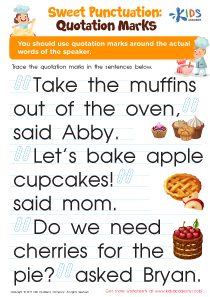
Vocabulary development Extra Challenge Writing Worksheets for Ages 6-9
3 filtered results
-
From - To
Boost your child's vocabulary skills with our Vocabulary Development Extra Challenge Writing Worksheets designed for ages 6-9! These engaging and thoughtfully crafted worksheets provide a stimulating mix of activities that encourage young learners to explore new words and expand their language abilities. Each worksheet includes creative writing prompts, word puzzles, and fun exercises tailored to keep children motivated and excited about learning. Ideal for classroom or at-home study, these extra challenge worksheets help promote critical thinking and enhance writing skills while building a robust vocabulary foundation. Perfect for parents and educators seeking to enrich their child's learning experience!
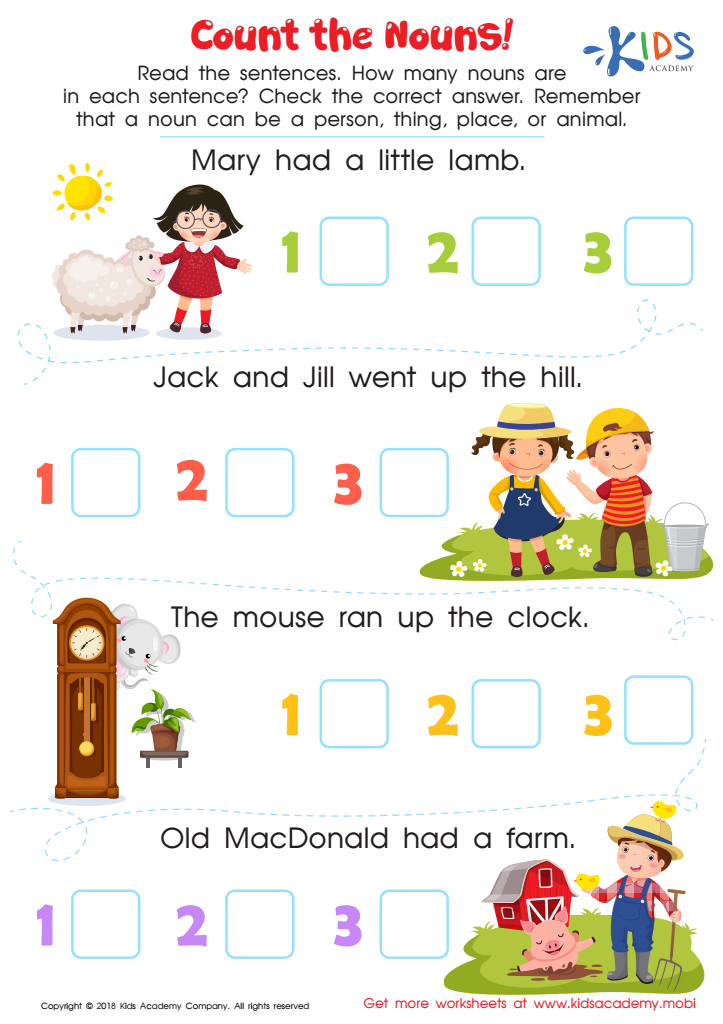
Count the Nouns Worksheet
 Assign to My Students
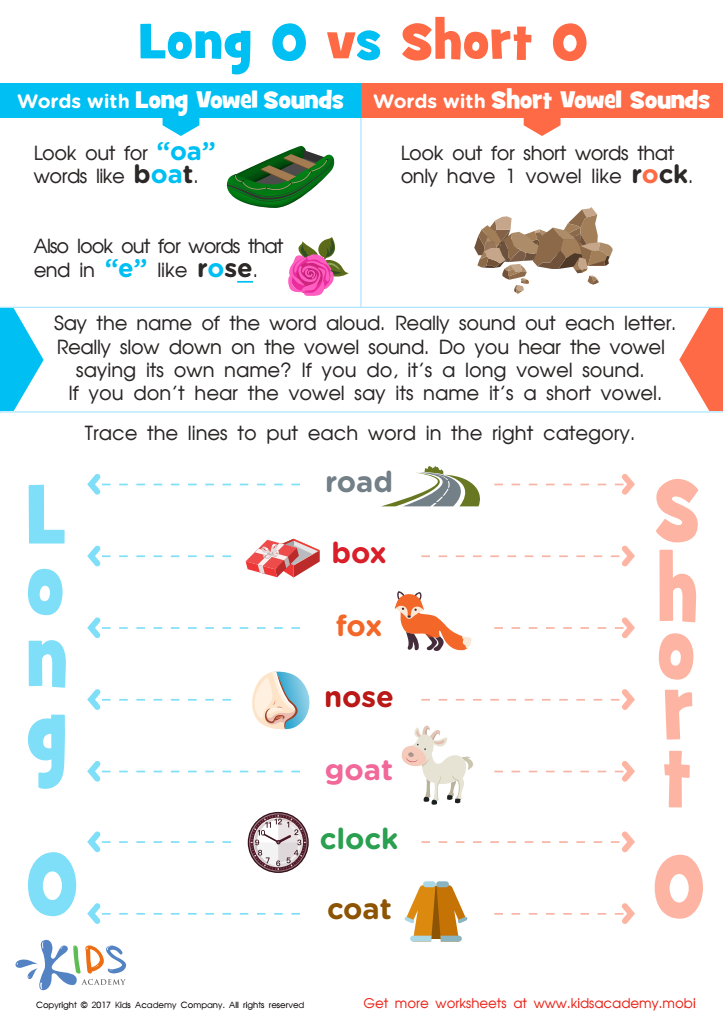
Long and Short Vowel O Spelling Worksheet
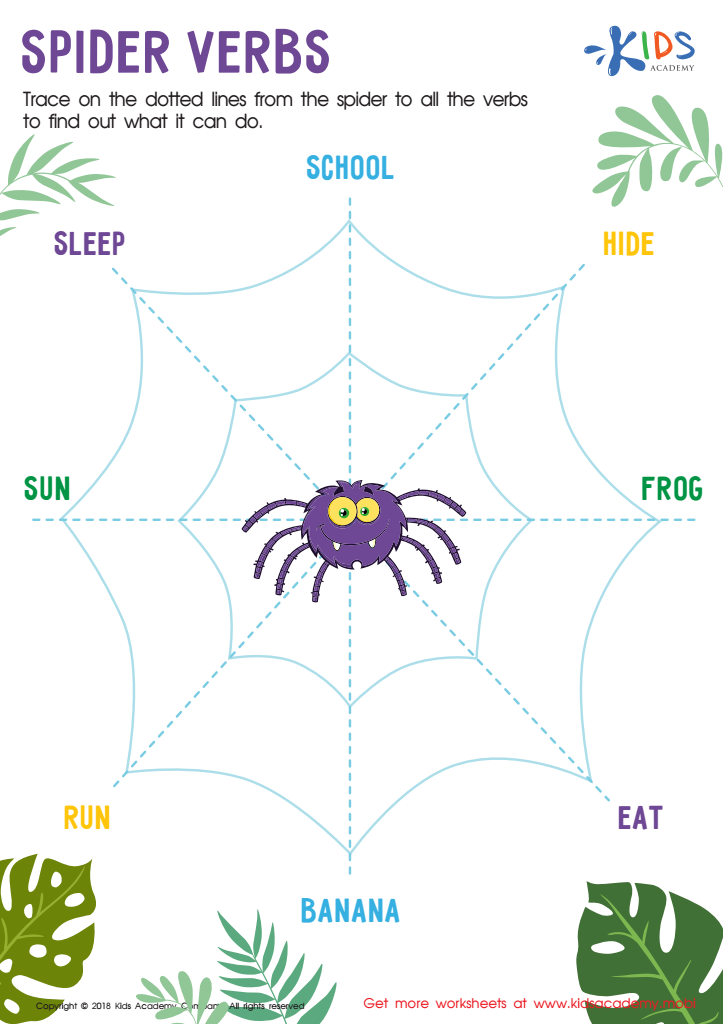
Spider Verbs Worksheet








Vocabulary development is crucial for children aged 6-9 as it lays the foundation for their reading, writing, and overall communication skills. During this stage, children's brains are highly receptive to language. A rich vocabulary enhances their ability to express thoughts, ideas, and emotions effectively. When parents and teachers actively engage in vocabulary development, they help children become more confident speakers and readers.
Moreover, vocabulary is linked to comprehension. Children with robust vocabularies are more capable of understanding what they read, enabling them to excel in academic tasks. Discussions, storytelling, and playful language games can stimulate vocabulary growth, turning learning into an enjoyable experience.
Furthermore, a strong vocabulary supports social development. It allows children to express themselves clearly, fostering healthy interactions with peers and adults. Parents and teachers play a vital role; when they prioritize vocabulary building through exercises, read-aloud sessions, and encouraging discussions, they create an enriched learning environment.
By investing time in vocabulary development, parents can help ensure their children not only perform well academically but also develop lifelong communication skills that are essential for success in any aspect of life. This foundational skill set is critical as they continue their educational journey and grow into articulate, confident individuals.