Reading comprehension Extra Challenge Building Vocabulary Worksheets for 6-Year-Olds
6 filtered results
-
From - To
Unlock your child's potential with our Reading Comprehension Extra Challenge Building Vocabulary Worksheets tailored specifically for 6-year-olds! Designed to enhance language skills, these engaging worksheets help young learners expand their vocabulary while improving their reading comprehension and critical thinking abilities. Each activity encourages kids to explore new words and understand their meanings in context, making learning fun and interactive. Perfect for at-home practice or classroom enrichment, our resources foster a love for reading, essential for early education. Start your child's journey to confident reading and strong vocabulary skills today with these creative and enjoyable worksheets!
 Assign to My Students











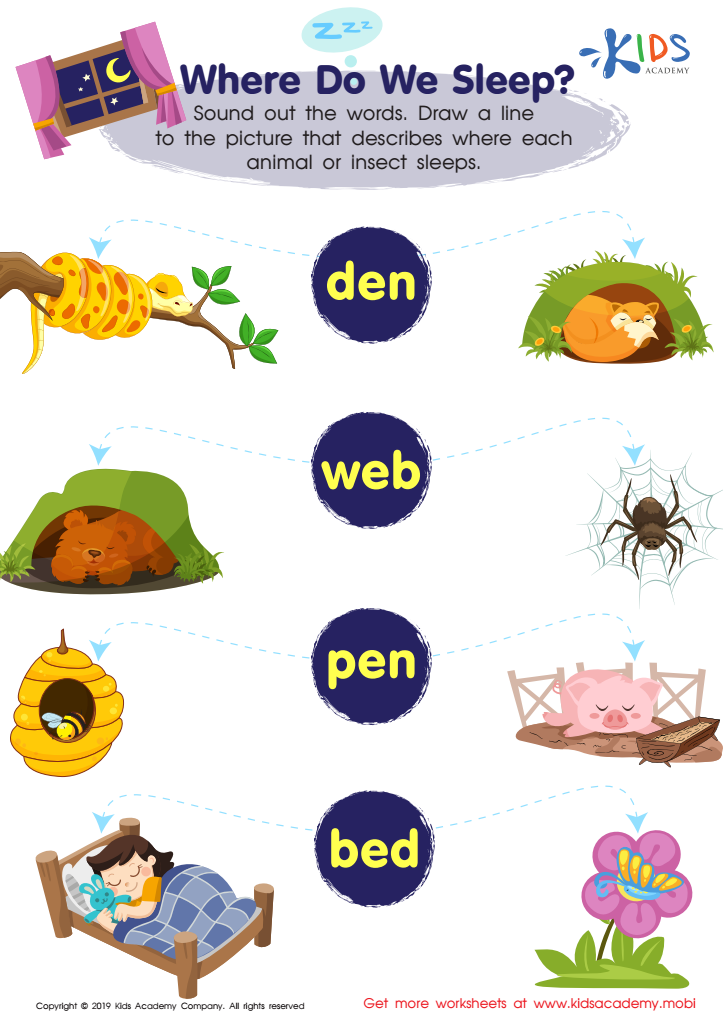
Where Do We Sleep Worksheet
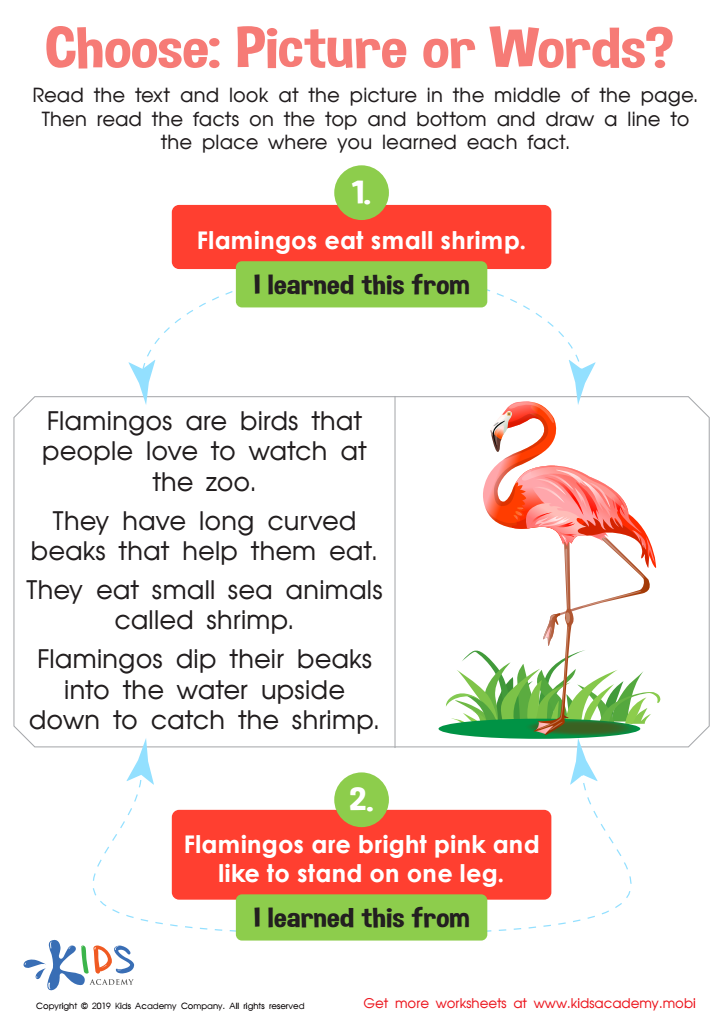
Choose Picture Words Worksheet
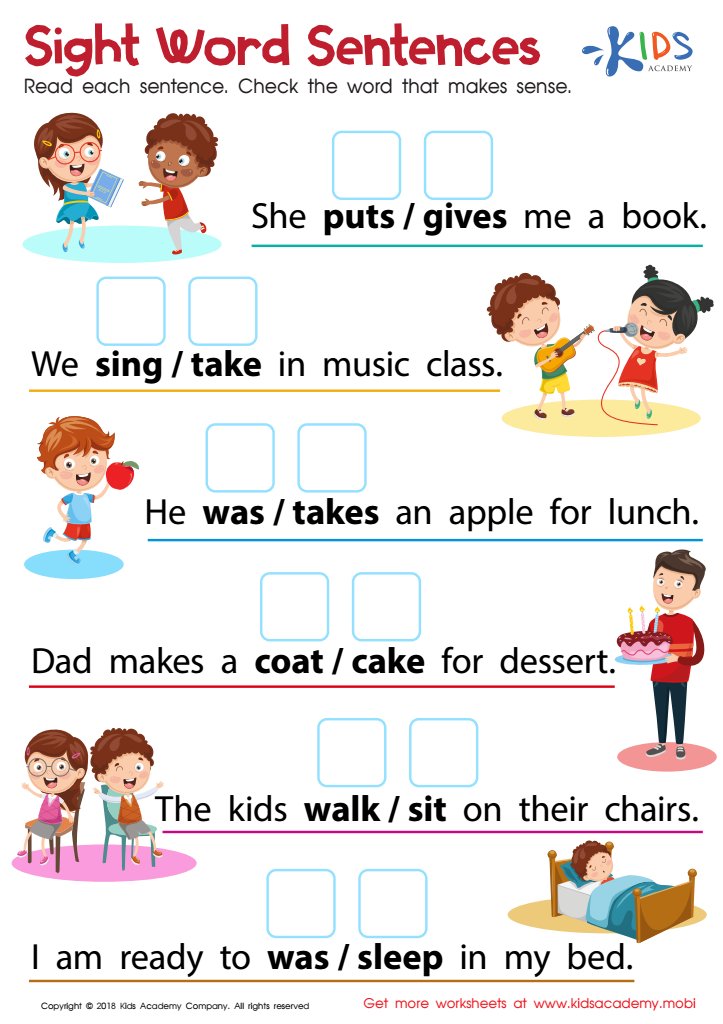
Sight Words Sentences Worksheet
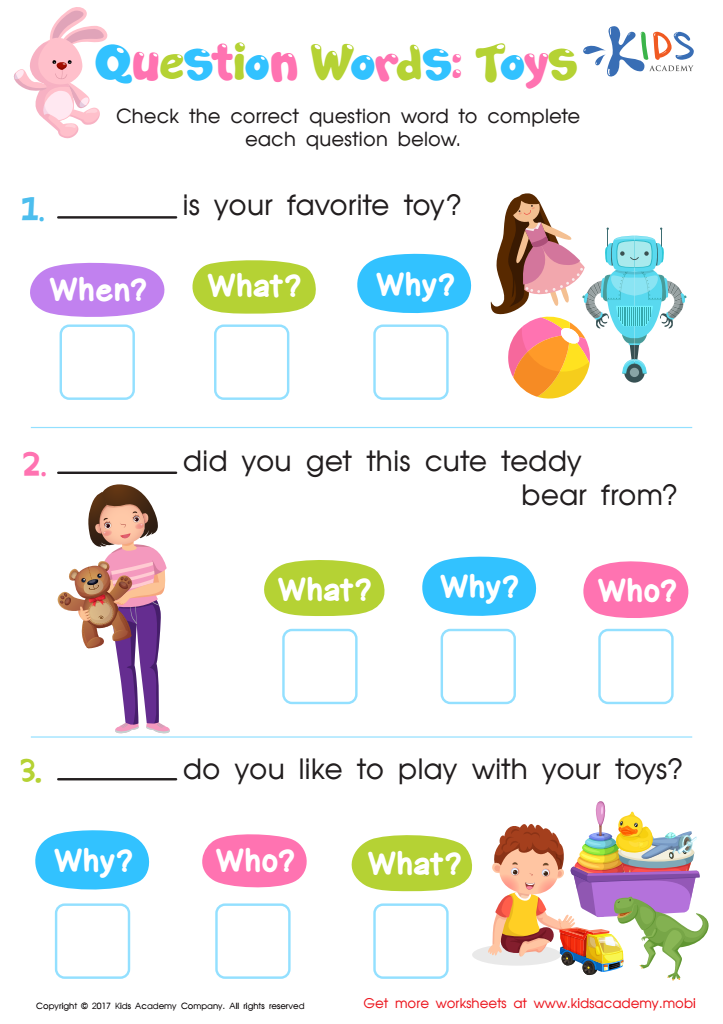
Question Words: Toys Worksheet
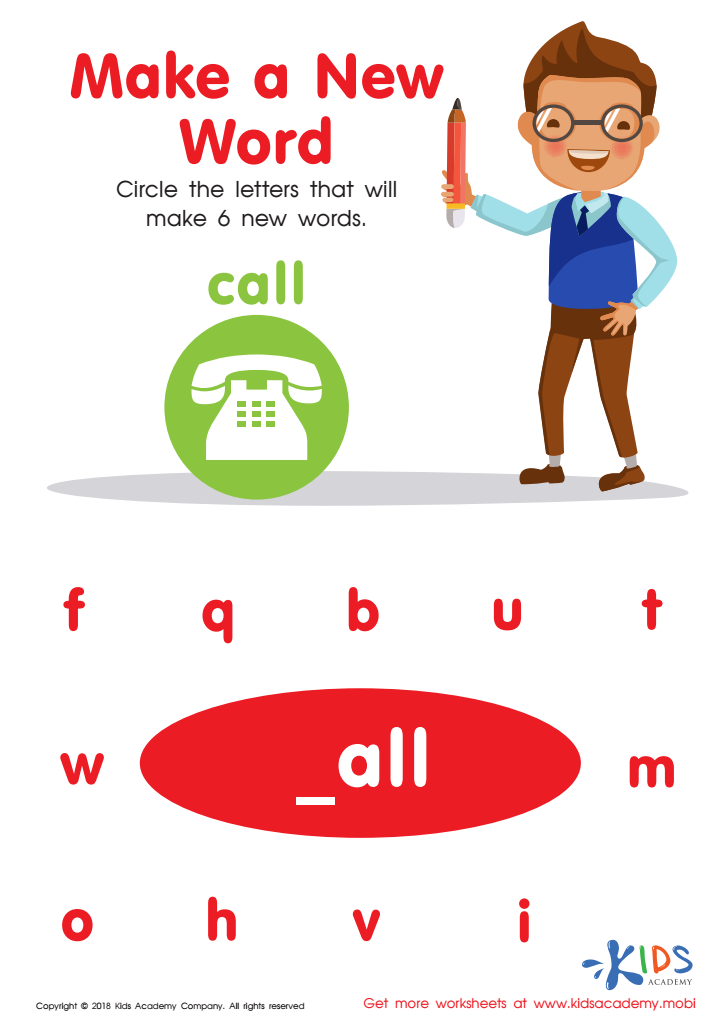
Make a New Word Worksheet








Parents and teachers should care about reading comprehension and building vocabulary for 6-year-olds as these foundational skills are crucial for lifelong learning. At this age, children are developing essential cognitive and language skills that support not just reading, but all areas of learning.
Reading comprehension allows children to understand and engage with texts, enhancing critical thinking and problem-solving abilities. When children grasp what they read, they develop a love for literature and storytelling, encouraging them to explore various subjects.
Building vocabulary, on the other hand, enriches a child’s language and expression. A robust vocabulary empowers children to communicate their thoughts and ideas effectively. This, in turn, fosters confidence in both verbal and written communication.
Moreover, a strong vocabulary supports better reading comprehension skills; the more words children know, the easier it is for them to understand the content they read. By focusing on these areas, parents and teachers lay the groundwork for academic success in future schooling, paving the way for proficient readers and articulate communicators. Engaging in early reading activities, discussions, and vocabulary-building games provides an enjoyable way to nurture these critical skills, shaping well-rounded learners prepared for the challenges ahead.