Spelling practice Extra Challenge Reading Worksheets for 6-Year-Olds
4 filtered results
Difficulty Level
Grade
Age
-
From - To
Subject
Activity
Standards
Enhance your 6-year-old's reading abilities with our Spelling Practice Extra Challenge Worksheets! These specially designed resources focus on building and reinforcing essential spelling skills. Each worksheet offers an engaging way to practice word recognition, phonitcis, and high-frequency words. Perfect for young learners looking for an extra challenge, these activities promote spelling accuracy and reading fluency. Tailored to meet the cognitive level of 6-year-olds, our worksheets create a fun and interactive learning experience. Watch your child's confidence soar as they master new words and advance their reading skills with these comprehensive spelling practice worksheets. Explore and download now!
Favorites
With answer key
Interactive
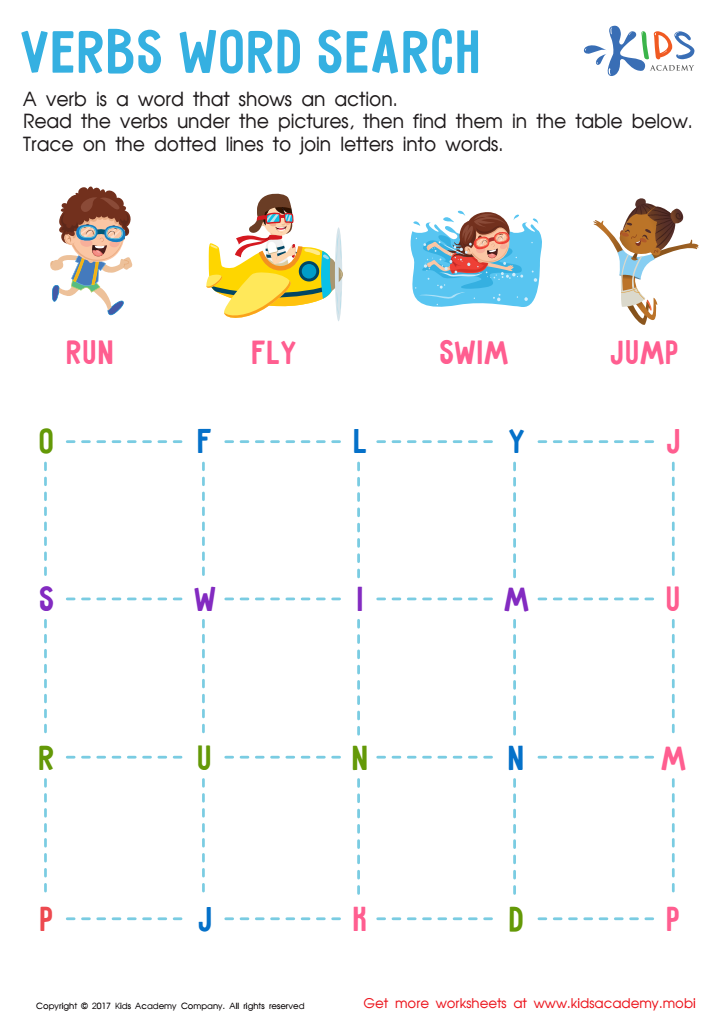
Verbs Word Search Worksheet
Ask your child if they understand the meaning of the word "verb". If not, explain that it's a word that shows an action. Give examples of familiar verbs. Then look at the pictures in the tracing sheet and read the words. Ask your child to follow the dotted lines to find the hidden words. Perfect tool to teach spot and use verbs!
 Assign to My Students
Verbs Word Search Worksheet
Worksheet
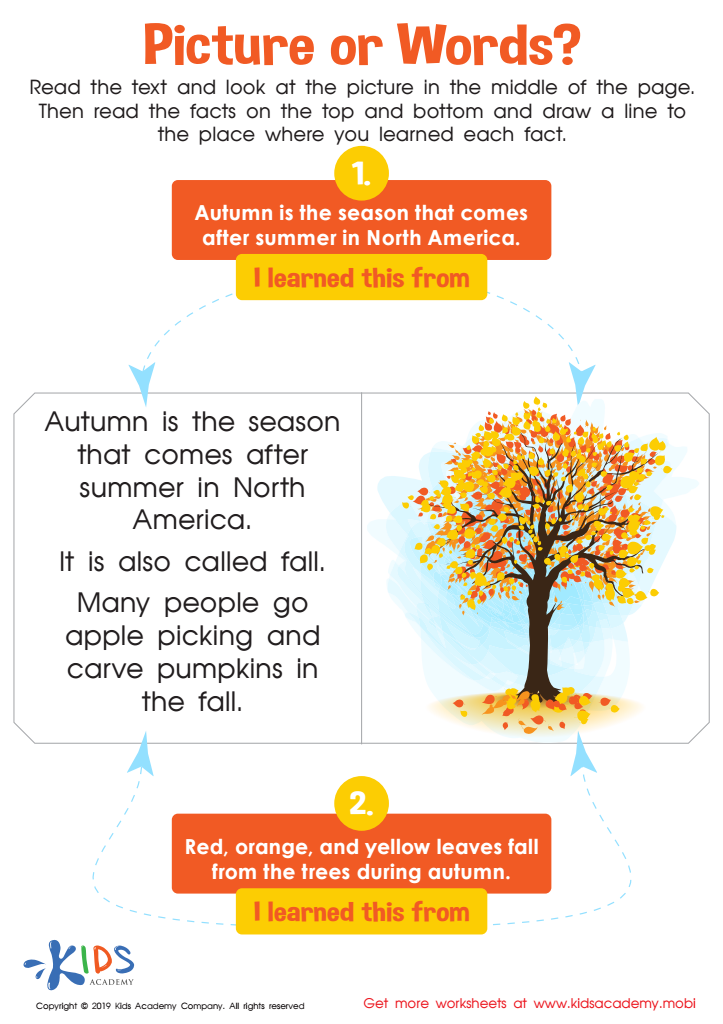
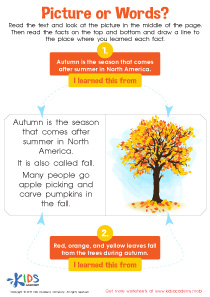
Picture Words Worksheet
Pictures are key for early reading skills. Remind children to use all resources when reading passages to understand meaning. With the free PDF, kids can learn through pictures & words, then answer questions based on what they learned. This hits home that all info in text is valuable, pics included!
Picture Words Worksheet
Worksheet
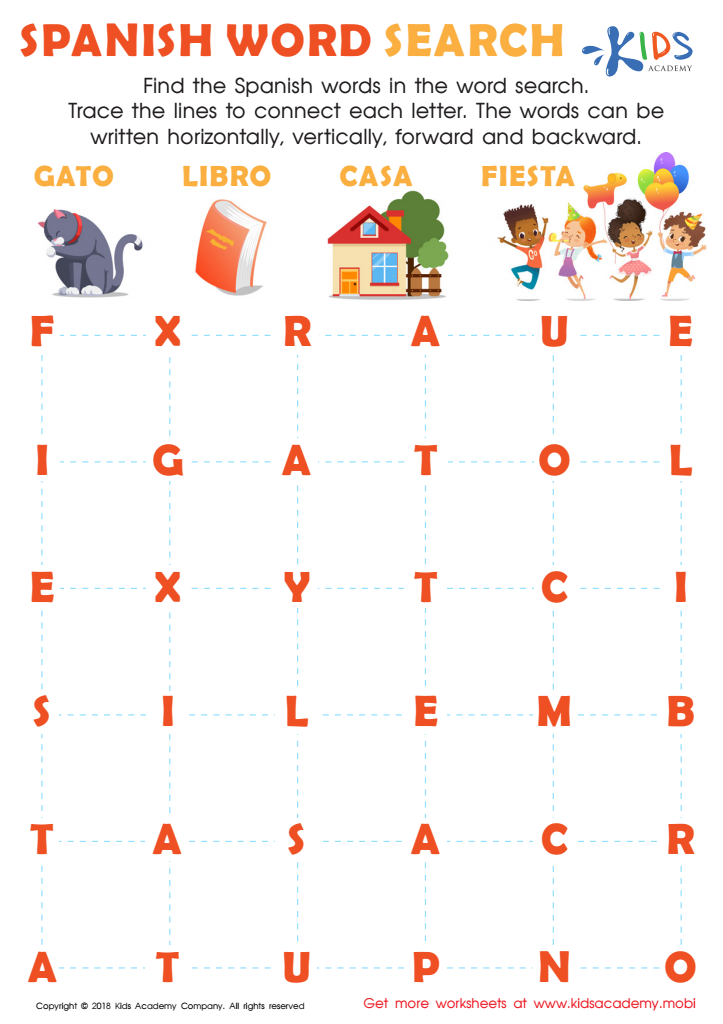
Spanish Word Search Worksheet
This free worksheet encourages students to learn Spanish words while developing visual, fine motor, and hand-eye coordination skills. Through colorful pictures and traceable lines, the task of finding words such as gato, libro, casa, and fiesta is disguised as a fun and engaging way to explore new cultures.
Spanish Word Search Worksheet
Worksheet
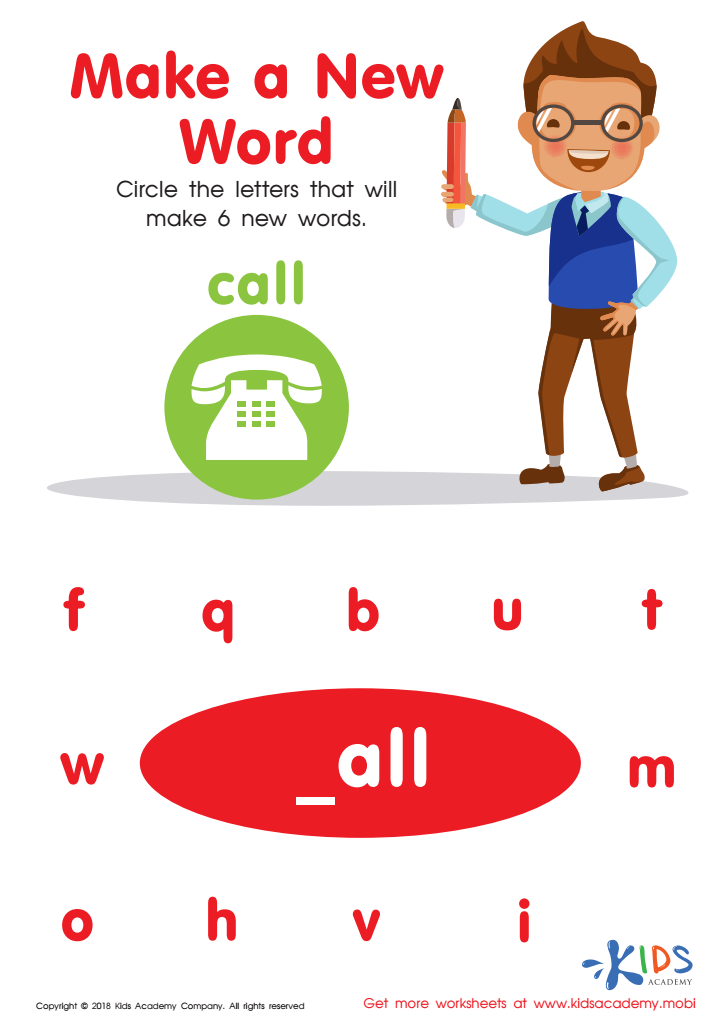
Make a New Word Worksheet
Young readers and writers can enhance their skills with this fun PDF worksheet. They'll trace letters to create new words and feel like super readers and writers after finding six words. They'll also practice building words with the "all" word family.
Make a New Word Worksheet
Worksheet
Join Kids Academy for Free
Who is primarily going to use this learning content?








Parents and teachers should care about spelling practice and extra reading challenges for 6-year-olds because these activities are foundational to literacy and cognitive development. At this age, children are in a critical window for language acquisition. Practicing spelling enhances their understanding of phonetics, orthography, and word structure, which are essential for decoding new words and improving reading fluency. Moreover, engaging in extra reading challenges promotes comprehension skills, vocabulary growth, and a love for reading.
Spelling practice helps solidify the correspondence between letters and sounds, fostering accuracy in both reading and writing. As children learn to spell, they become more proficient readers, noticing patterns and making connections across different words and texts. This skill not only boosts their academic performance but also their confidence and motivation to learn.
Extra reading challenges stimulate critical thinking and nurture curiosity. By encountering diverse genres and complex narratives, children develop stronger inference abilities and empathy through exposure to varied characters and situations.
In summary, spelling practice and extra reading challenges are crucial for building a robust foundation in literacy, supporting both academic and personal growth. They equip children with the skills needed for future educational success and foster a lifelong appreciation for learning.