Hand-eye Coordination Extra Challenge Math Worksheets for Ages 7-8
5 filtered results
-
From - To
Boost your child's math skills and hand-eye coordination with our Extra Challenge Math Worksheets designed for ages 7-8. These engaging worksheets from Kids Academy combine fun and learning, helping kids master essential math concepts while enhancing precision and dexterity. Perfect for young learners, each activity promotes problem-solving and critical thinking through interactive exercises like puzzles, mazes, and color-by-number tasks. Our expertly crafted worksheets ensure that math practice becomes an exciting adventure, fostering confidence and academic growth in your child. Ideal for both classroom and home use, engage your child with our challenging and educational resources today!
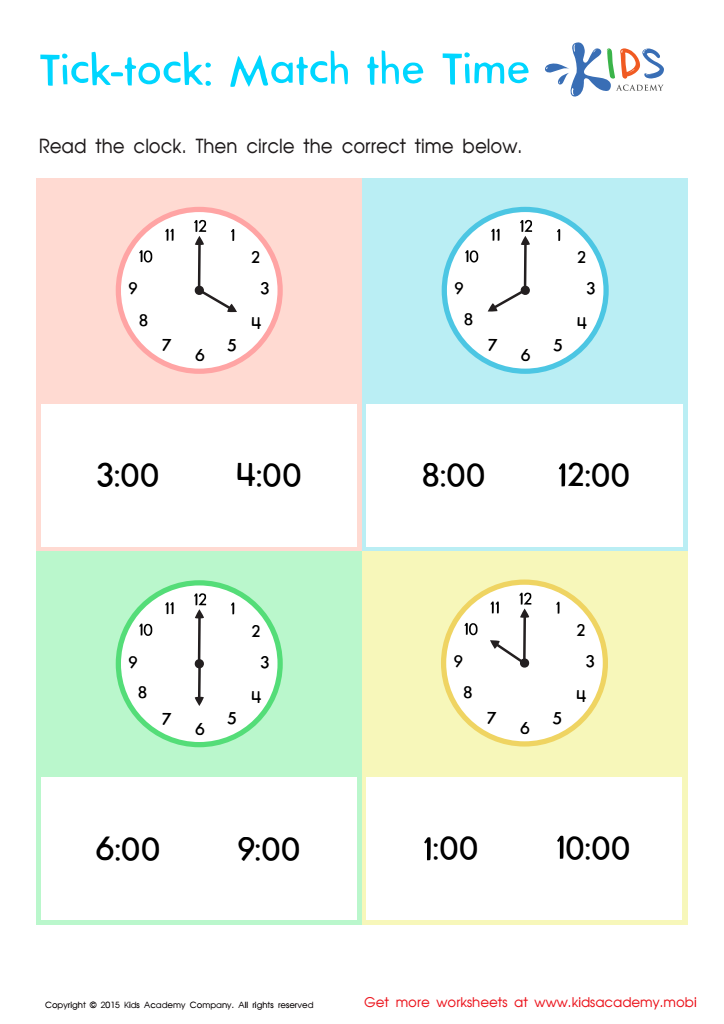
Telling The Time Worksheet: Part 4
 Assign to My Students
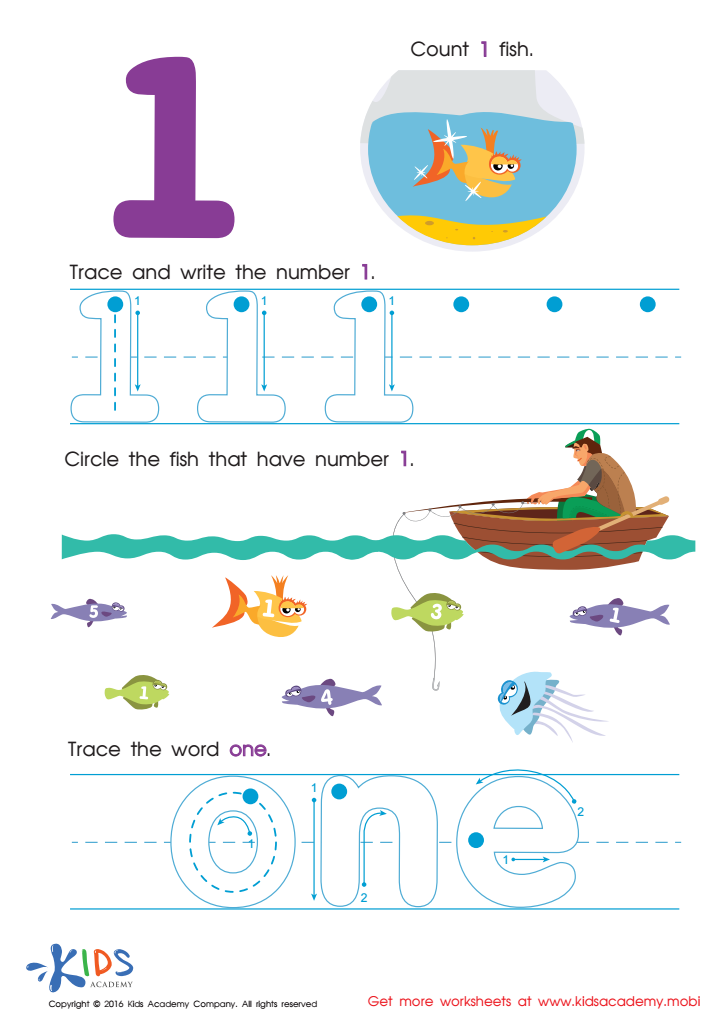
Learning to Write 1 Worksheet
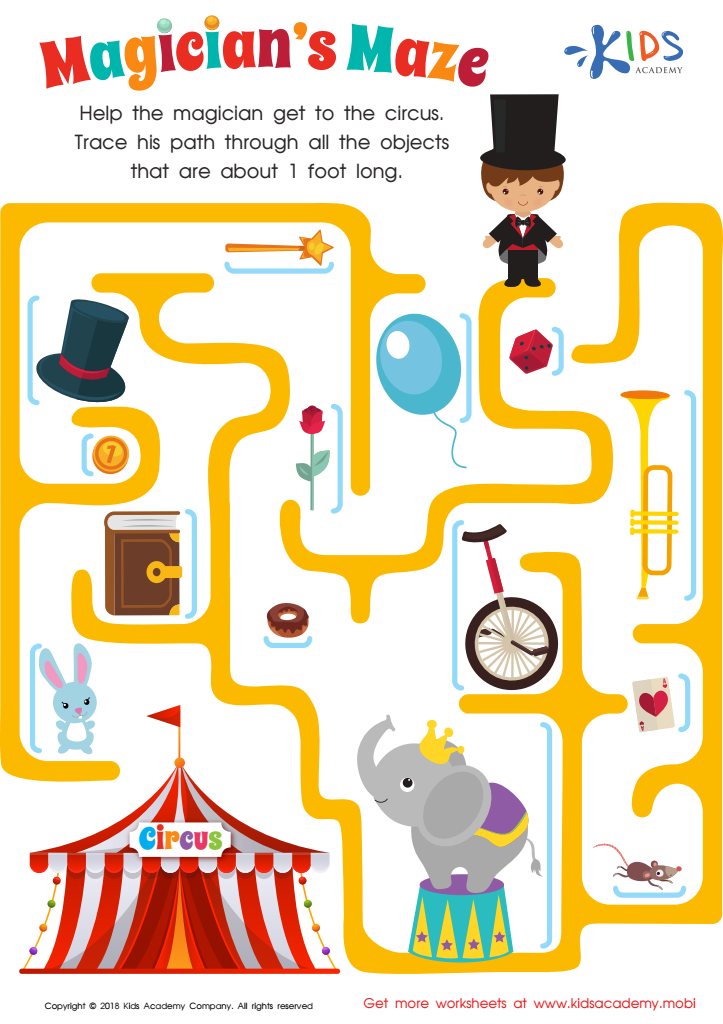
Estimating Length: Magician's Maze Worksheet
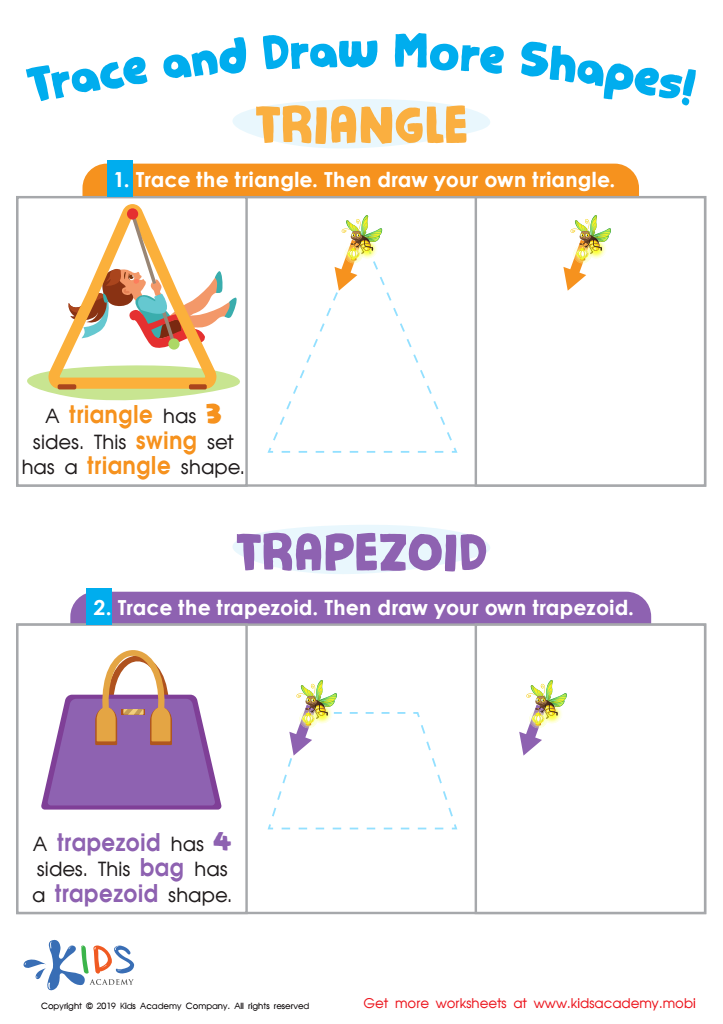
Trace and Draw More Shapes Worksheet
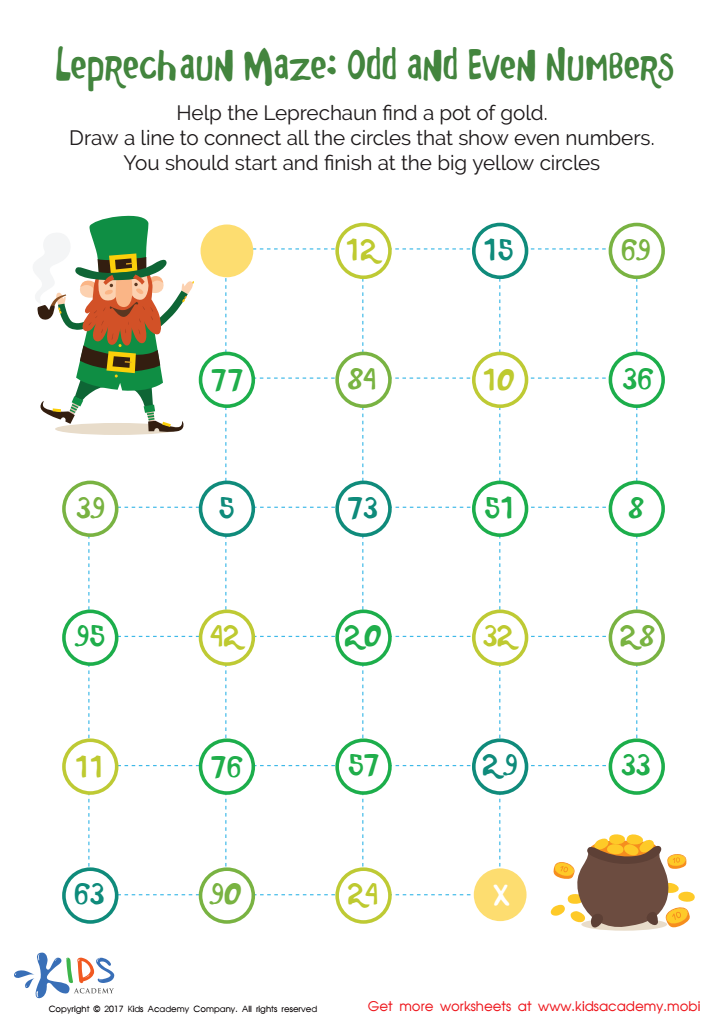
Leprechaun Maze Printable


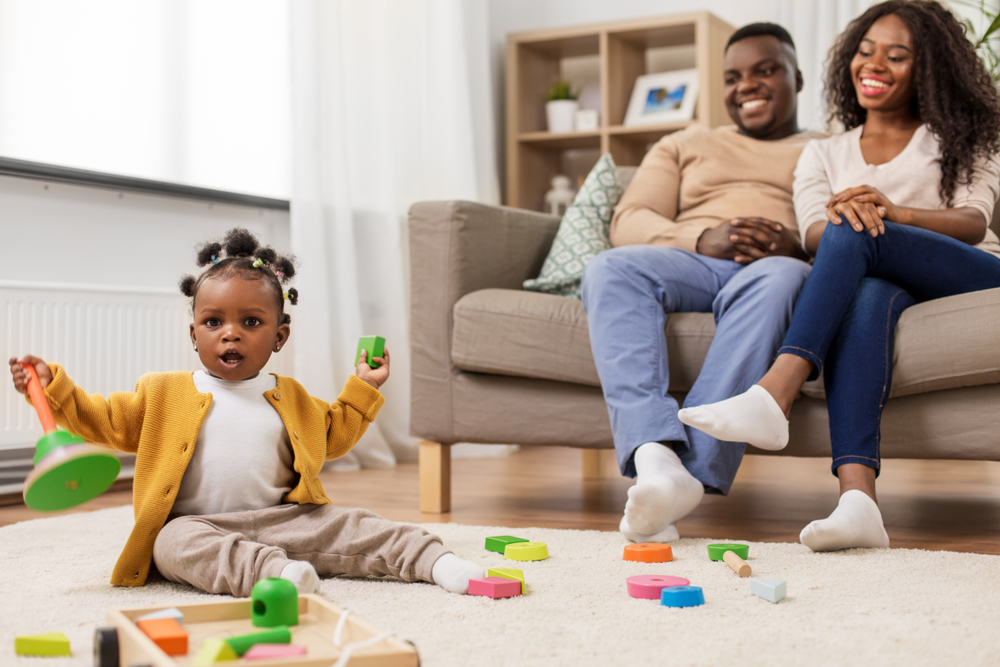


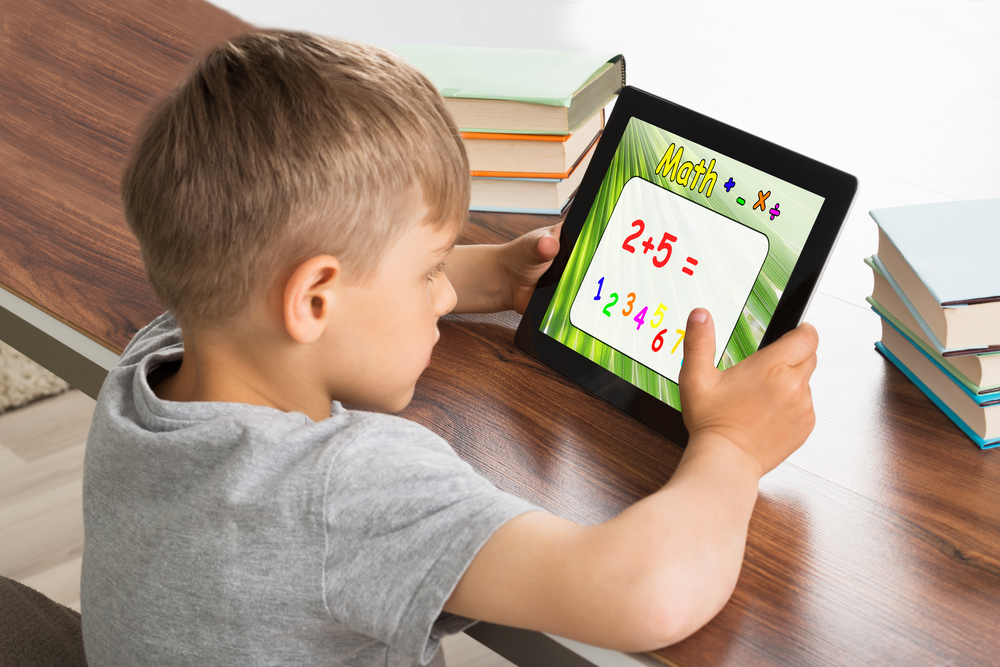


Hand-eye Coordination Extra Challenge Math for ages 7-8 can greatly benefit a child's development both academically and physically. At this age, children are not just learning mathematical concepts; they are also developing motor skills and cognitive abilities critical to their overall growth.
Incorporating hand-eye coordination challenges into math exercises can help solidify abstract numerical skills in a concrete and engaging way. This combined approach enriches the learning experience and elevates a child's problem-solving abilities by making math more interactive and less intimidating. Activities like connecting dots, constructing geometric shapes with hands-on tools, or manipulating objects help reinforce mathematical concepts through physical activities.
Furthermore, enhancing hand-eye coordination fosters precision, focus, and patience—key skills not only for academics but also for day-to-day activities and future learning tasks. It also sets a foundation for later complex hand-eye coordination tasks in sports, arts, and writing.
Teachers and parents should care because integrating physical movement with cognitive tasks capitalizes on a child’s natural tendencies and can make learning fun and dynamic. This dual approach helps children to better understand and retain mathematical concepts, while simultaneously improving their motor skills, thus aiding their overall holistic development. Allowing kids to engage both mind and body can lead to more effective learning outcomes and a more well-rounded skill set.








