Mathematical thinking Extra Challenge Math Worksheets
4 filtered results
-
From - To
Explore our "Mathematical Thinking Extra Challenge Math Worksheets" designed to enhance your child's problem-solving abilities. Perfect for early learners, these worksheets focus on critical thinking and complex problem-solving, providing an engaging way to develop mathematical skills. Each worksheet features tailored challenges that encourage kids to think outside the box and apply their knowledge in innovative ways. From logic puzzles to challenging word problems, these resources foster independent thinking and expand their math proficiency. Ideal for classroom use or at-home practice, our Extra Challenge Math Worksheets empower young learners to tackle math with confidence. Start their mathematical journey today!
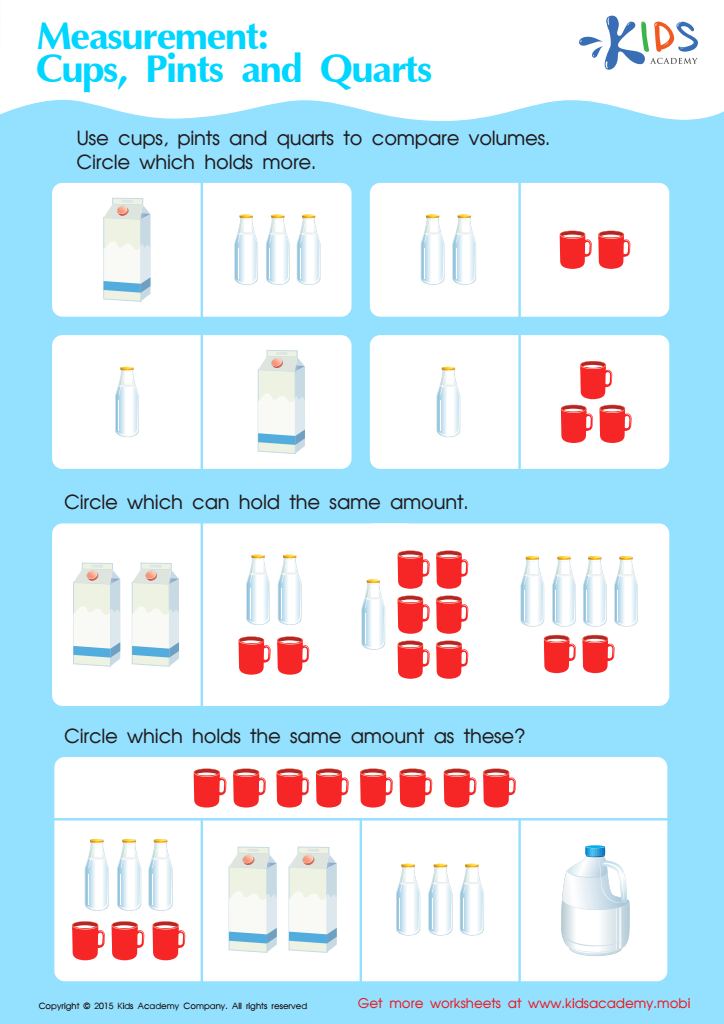
Measurement: Compare Volumes Worksheet
 Assign to My Students
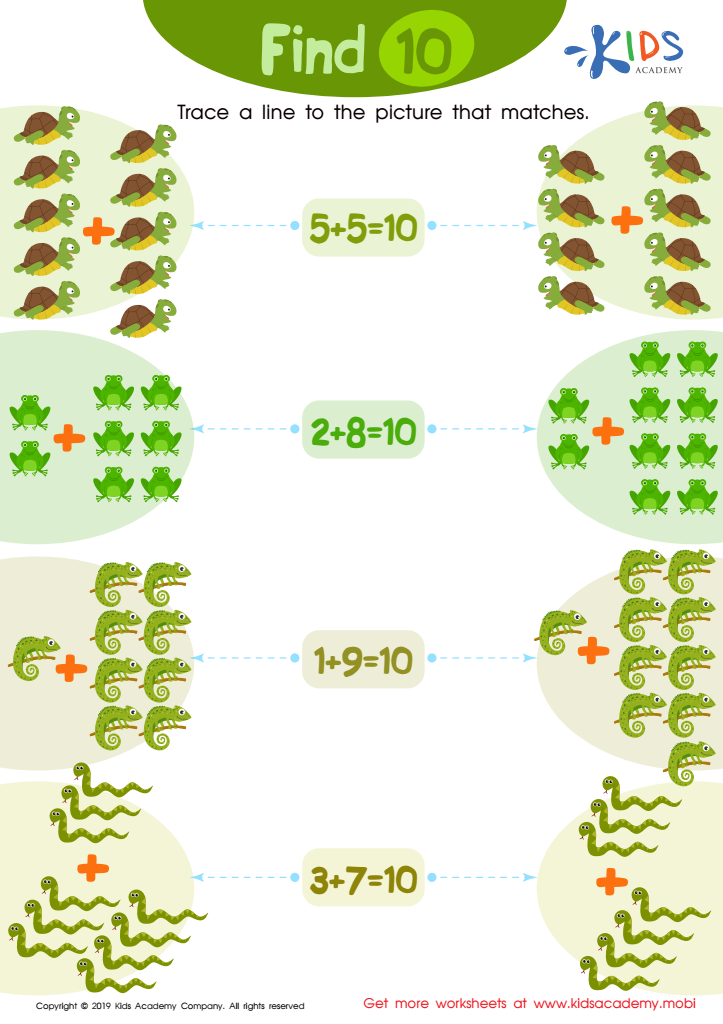
Find 10 Worksheet
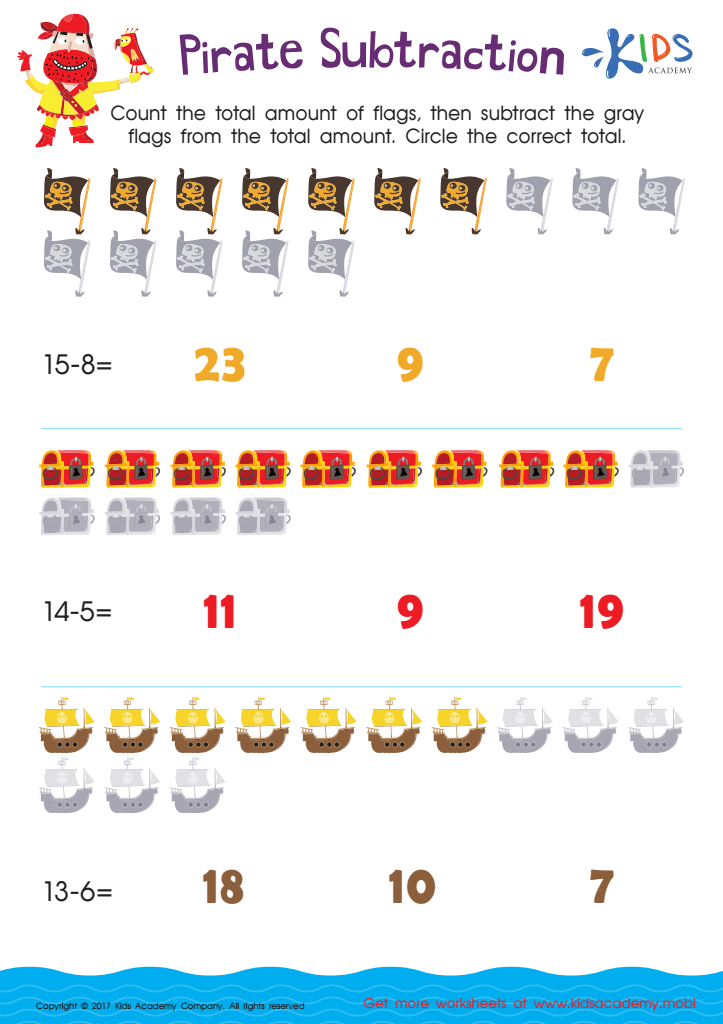
Pirate Subtraction Substraction Worksheet
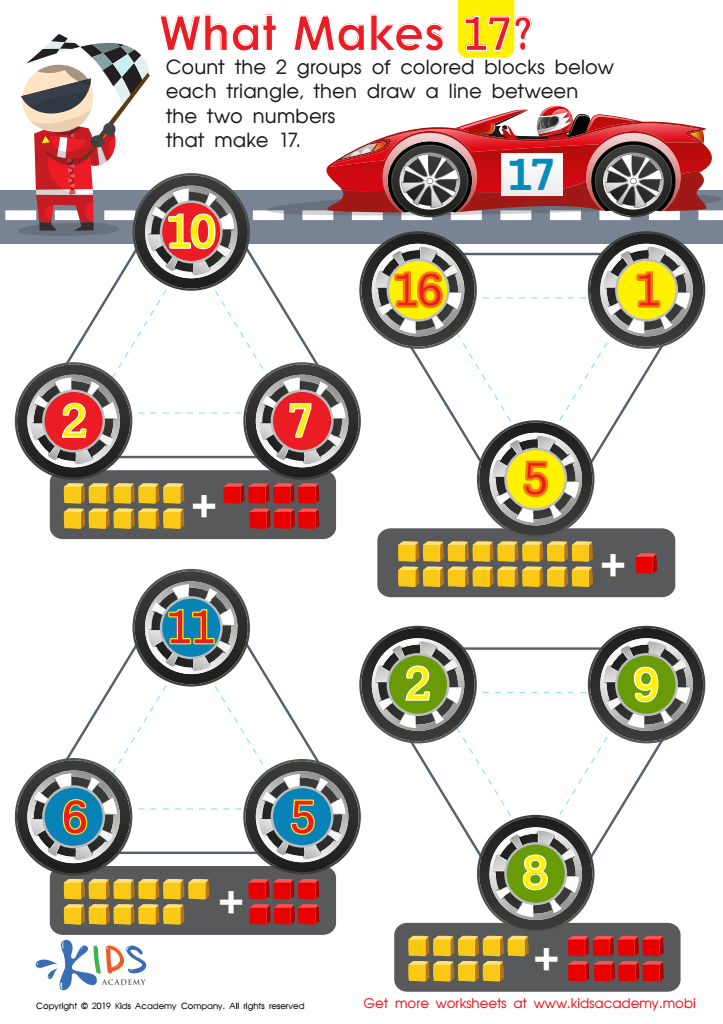
What Makes 17 Worksheet








Parents and teachers should prioritize cultivating mathematical thinking through Extra Challenge Math because it fundamentally enhances critical cognitive skills in children. Mathematical thinking goes beyond basic arithmetic; it fosters problem-solving, logical reasoning, and the ability to analyze complex situations. By engaging with advanced challenges, students learn to approach problems systematically, a skill that benefits them in all areas of life, including academics and real-world situations.
Moreover, tackling challenging math problems can boost students’ confidence and perseverance. It teaches them that making mistakes is a vital part of the learning process, encouraging resilience and a growth mindset. This foundation not only prepares them for future mathematical concepts but also equips them with essential life skills such as decision-making and analytical thinking.
Additionally, an emphasis on mathematical thinking promotes increased cooperation and communication when children work in teams on challenging tasks. This social aspect enriches their learning experience, making it more enjoyable and interactive. Ultimately, motivating children to think mathematically through Extra Challenge Math creates engaged learners, setting the stage for lifelong success in an increasingly data-driven world. Therefore, both parents and teachers should advocate for programs that encourage this vital dimension of learning.