Logical thinking Extra Challenge Grammar Worksheets
3 filtered results
Difficulty Level
Grade
Age
-
From - To
Subject
Activity
Standards
Enhance your child's grammar proficiency with our "Logical Thinking Extra Challenge Grammar Worksheets" from Kids Academy. Designed to stimulate young minds, these worksheets go beyond basic practice, helping early learners develop critical thinking and problem-solving skills. Through a variety of engaging activities, children analyze patterns, deduce rules, and apply logical reasoning to master grammar concepts. Perfect for advanced students or those seeking a challenge, these resources transform learning into a fun and rewarding experience. Give your child the tools they need to succeed in grammar and beyond by incorporating these extra challenge worksheets into their routine.
Favorites
With answer key
Interactive
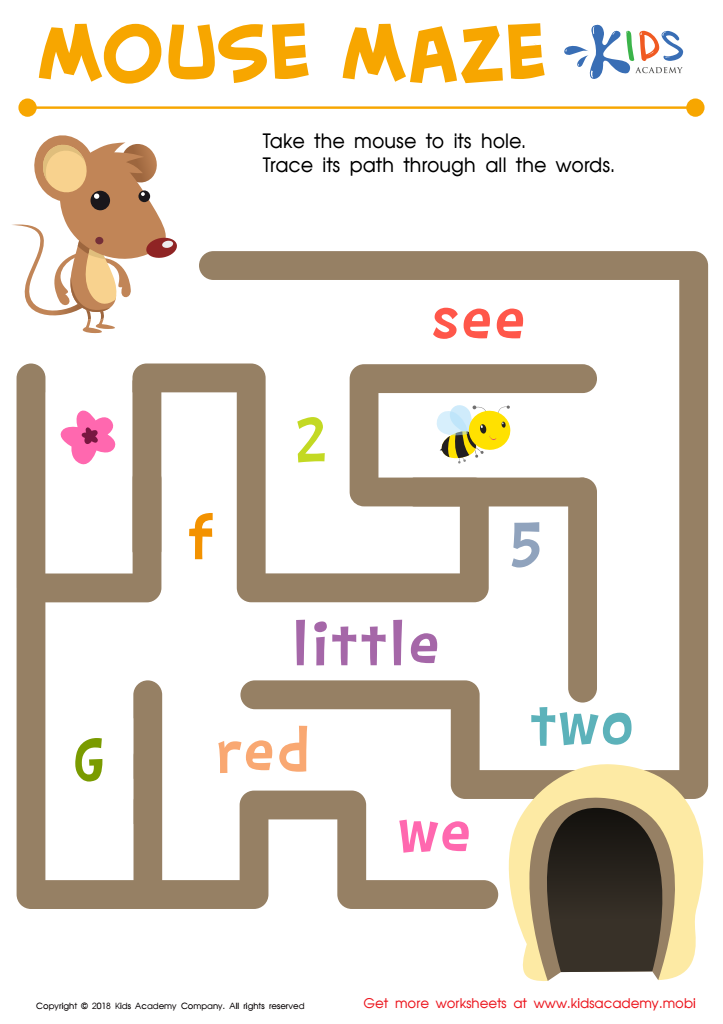
Find Words Mouse Maze Worksheet
Help your child identify words and guide the mouse home! Ask them to point out the colorful animal on the worksheet, then take their hand and show them how to trace the path, going through all the words in the maze to get the mouse back to its hole.
 Assign to My Students
Find Words Mouse Maze Worksheet
Worksheet
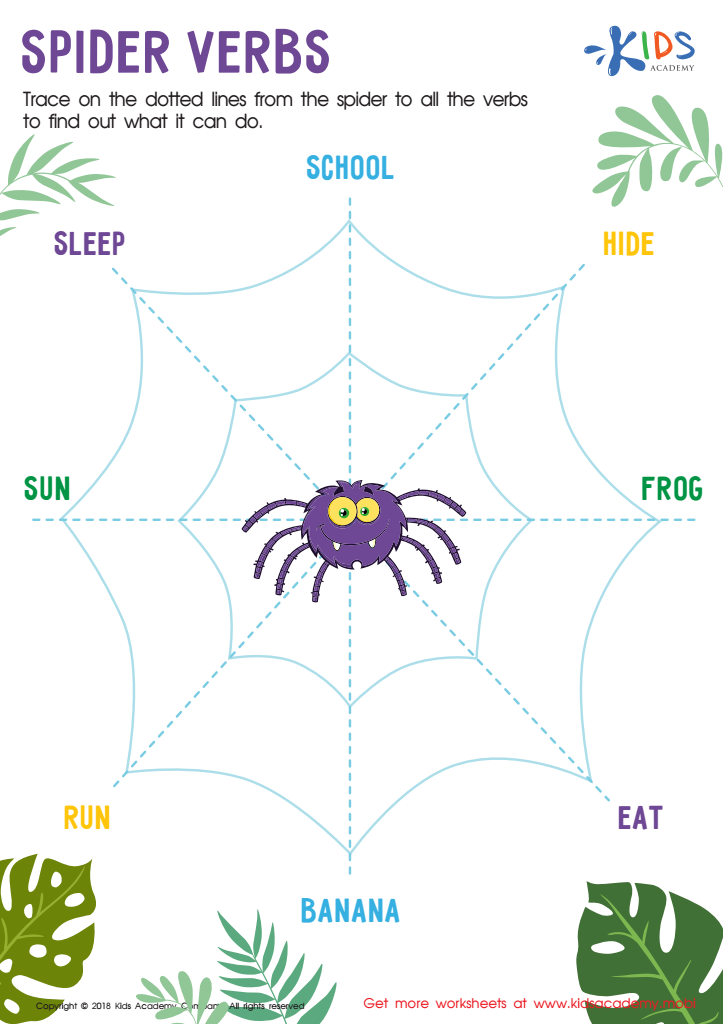
Spider Verbs Worksheet
Verbs are action words. Examples: run, play, talk. Show your child this tracing sheet for them to learn about verbs. Ask them to trace the dotted lines from the spider to the words that are verbs. These words are what the spider can do.
Spider Verbs Worksheet
Worksheet
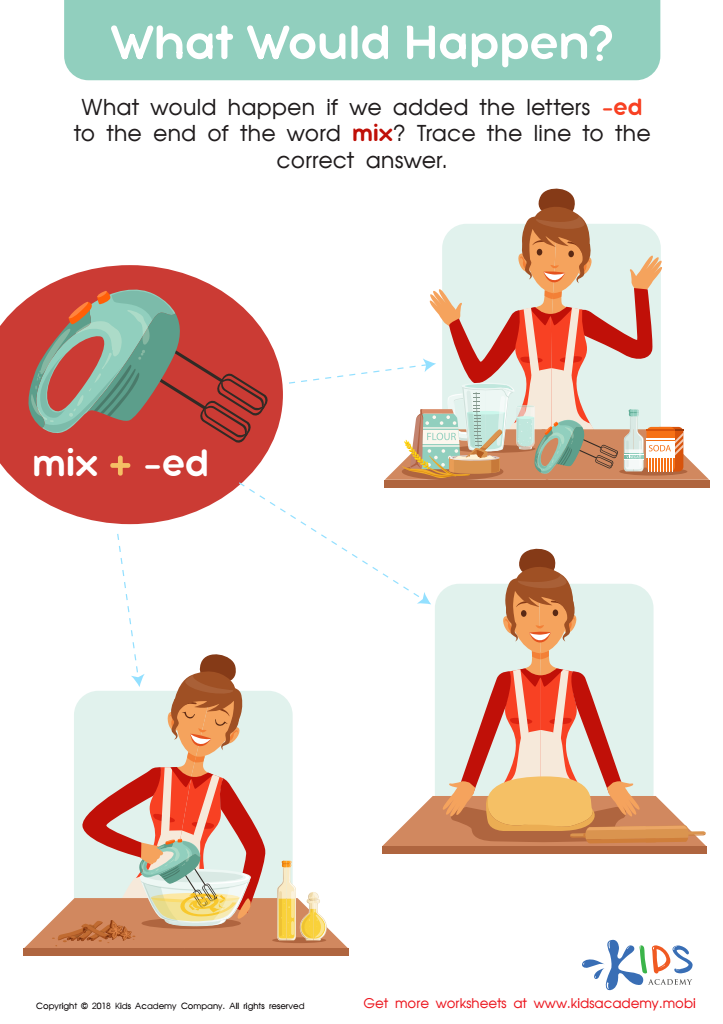
What Would Happen? Worksheet
Are your kids struggling with tenses? Use this worksheet to help them. See what they know by asking them to add '-ed' to the end of 'mix'. Guide them through the tracing sheet as they look for the correct answer.
What Would Happen? Worksheet
Worksheet
Join Kids Academy for Free
Who is primarily going to use this learning content?





.jpg)


Logical Thinking Extra Challenge Grammar can significantly benefit a child's cognitive and linguistic development, providing essential skills needed for academic success and everyday problem-solving. First, focusing on this form of grammar helps to cultivate critical thinking skills in young learners. When children are encouraged to apply logic while forming sentences or identifying grammatical structures, they develop the ability to reason systematically and make well-informed decisions.
Additionally, integrating logical thinking with grammar enhances a child's comprehension and communication abilities. It prompts learners to understand not only the "how" but the "why" behind language rules, leading to deeper learning and retention. This dual focus can make grammar lessons more engaging and meaningful, which can increase a child's interest and proficiency in language arts.
Furthermore, proficiency in logical thinking and grammar is vital for standardized tests, academic assignments, and future professional environments. Being adept at clear, logical communication benefits every subject area and improves a child's confidence in their abilities.
For parents and teachers, fostering these skills early on prepares children to navigate complex tasks efficiently, supports their overall intellectual growth, and equips them with a foundational toolkit for lifetime learning and effective communication.