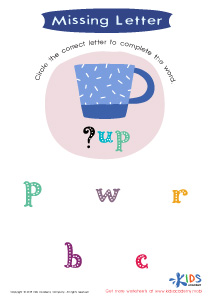
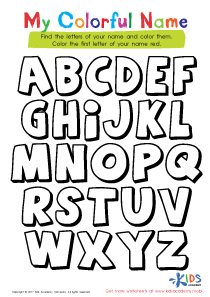
Letter recognition Kindergarten ABC Letters Worksheets - Page 2
27 filtered results
-
From - To
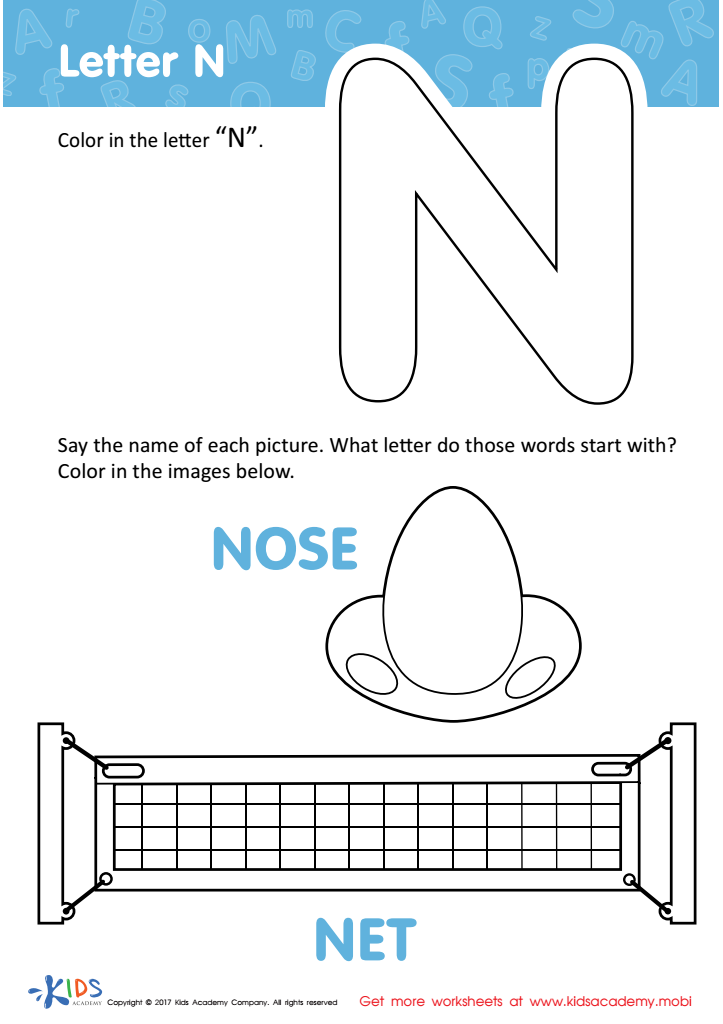
Letter N Coloring Sheet
 Assign to My Students







Letter D Tracing Page
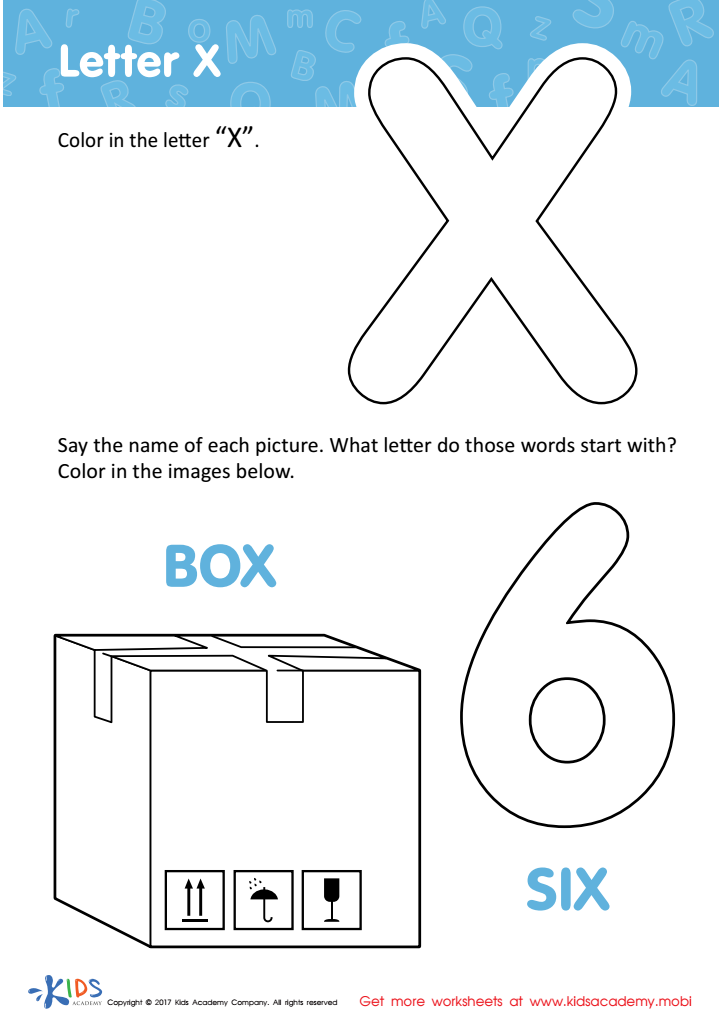
Letter X Coloring Sheet
Assign to My Students








Letter recognition is a foundational skill that underpins a child's future reading and writing abilities. For parents and teachers, understanding the importance of ABC letter recognition in kindergarten is vital for fostering a child’s literacy development.
Firstly, recognizing letters helps children understand the alphabetic principle, which links sounds to symbols. Mastery of letter recognition sets the stage for phonemic awareness, where children learn to identify sounds within spoken words. This is crucial as it paves the way for them to decode written text.
Moreover, early letter recognition leads to increased confidence in literacy skills. When children can easily identify letters, they feel empowered to explore reading independently, which cultivates a lifelong love of learning. Engaging with letters also enhances fine motor skills as they practice writing them.
For parents and teachers, nurturing letter recognition means providing children with engaging resources and activities, such as alphabet games, songs, and hands-on exercises. By prioritizing this essential skill, adults play a critical role in ensuring that children are well-prepared for more complex literacy tasks in the future. Ultimately, fostering letter recognition in kindergarten lays the groundwork for academic success and lays the love for learning in children.