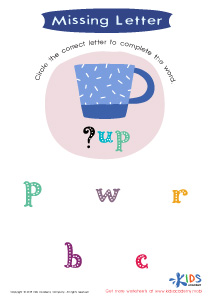
Phonics enhancement Kindergarten Alphabet Worksheets
3 filtered results
-
From - To
Discover our "Phonics Enhancement Kindergarten Alphabet Worksheets" at Kids Academy, designed to make early literacy fun and effective. Our expertly crafted worksheets blend engaging activities with clear phonics instruction, helping young learners master the alphabet and foundational phonemic skills. Each printable sheet is tailored to support kids in recognizing letter sounds, forming words, and building essential reading abilities. Ideal for both classroom and home use, these resources pave the way to confident, enthusiastic readers. Let Kids Academy support your little one’s journey in transforming phonics learning into an enjoyable and successful adventure.
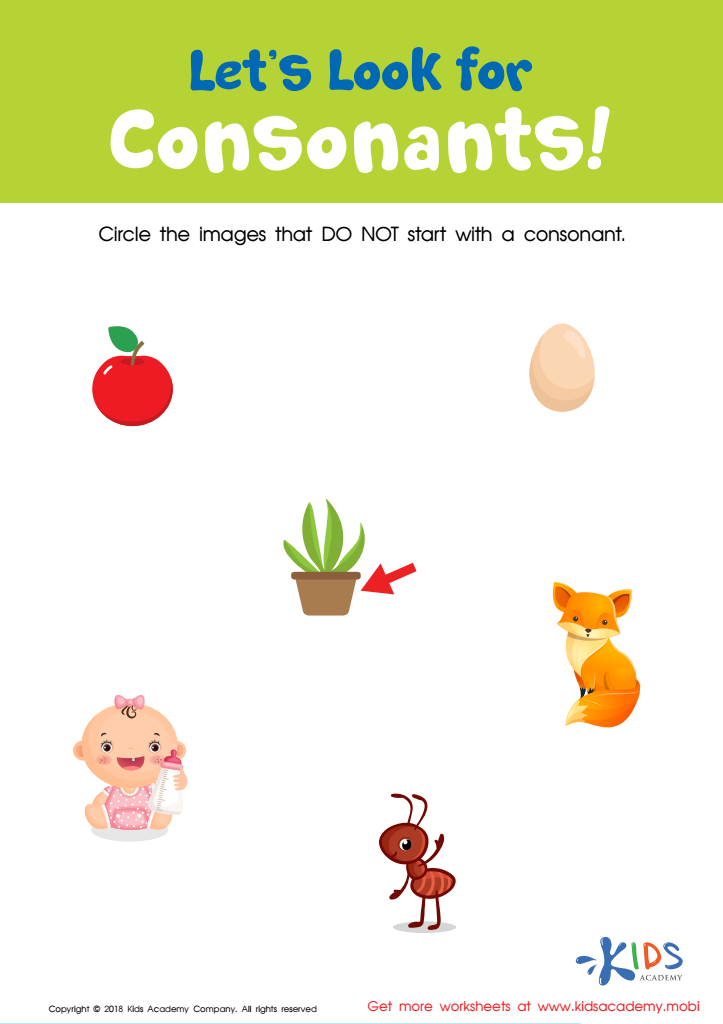
Let's Look for Consonants Worksheet
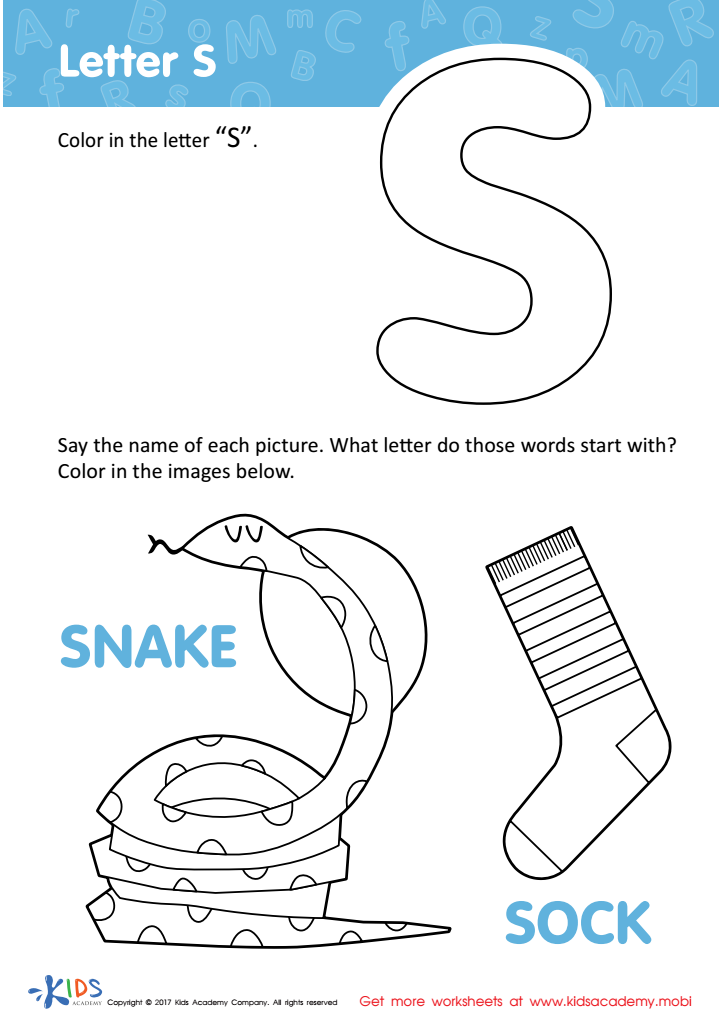
Letter S Coloring Sheet
 Assign to My Students
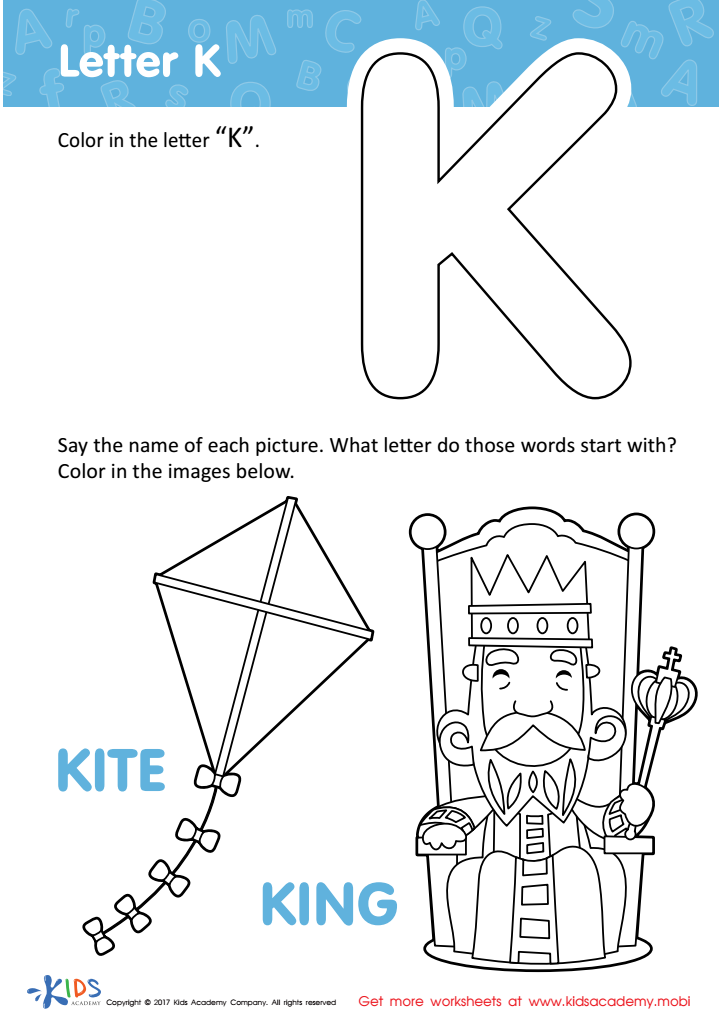
Letter K Coloring Sheet
Assign to My Students








Phonics enhancement in the Kindergarten alphabet is crucial as it lays the foundation for essential reading and writing skills. During the early years, children's brains are highly adaptable and absorbent, making it the perfect time to introduce the fundamentals of language. Phonics instruction helps young learners understand the relationship between letters and sounds, which is critical for decoding words. This decoding ability is the key to becoming proficient readers.
When children are taught phonics systematically and thoroughly, they can recognize patterns and sounds, translating directly to improved reading fluency. This fluency builds confidence, encouraging a love of reading and learning. Moreover, early phonics education assists with vocabulary development, comprehension, and spelling, all of which are vital for academic success.
Parents and teachers play integral roles in a child's early education. By prioritizing phonics, they provide their children with the tools to access an array of knowledge and experiences only accessible through reading. This early investment can lead to long-term educational advantages, as children who are proficient readers by third grade are more likely to perform well academically in later years. In a nutshell, focusing on phonics in Kindergarten ensures that children build strong literacy skills that form the basis of their future learning journey.