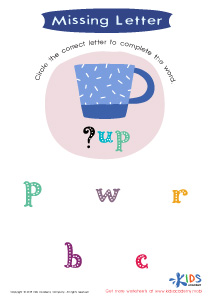
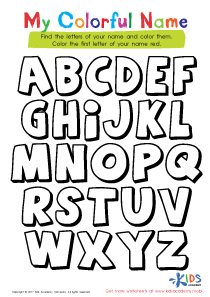
Phonics practice Kindergarten Letter Recognition Worksheets
3 filtered results
-
From - To
Enhance your child's literacy skills with our Phonics Practice Kindergarten Letter Recognition Worksheets! Designed specifically for young learners, these engaging worksheets help children recognize and distinguish letters through fun activities. Each worksheet encourages kids to practice identifying uppercase and lowercase letters while developing their phonemic awareness. By blending learning with play, we inspire a love for reading from an early age. Perfect for teachers and parents alike, our easy-to-use resources facilitate letter recognition in a supportive environment. Download our printable worksheets today and set your child on a path towards reading success with confidence and joy!
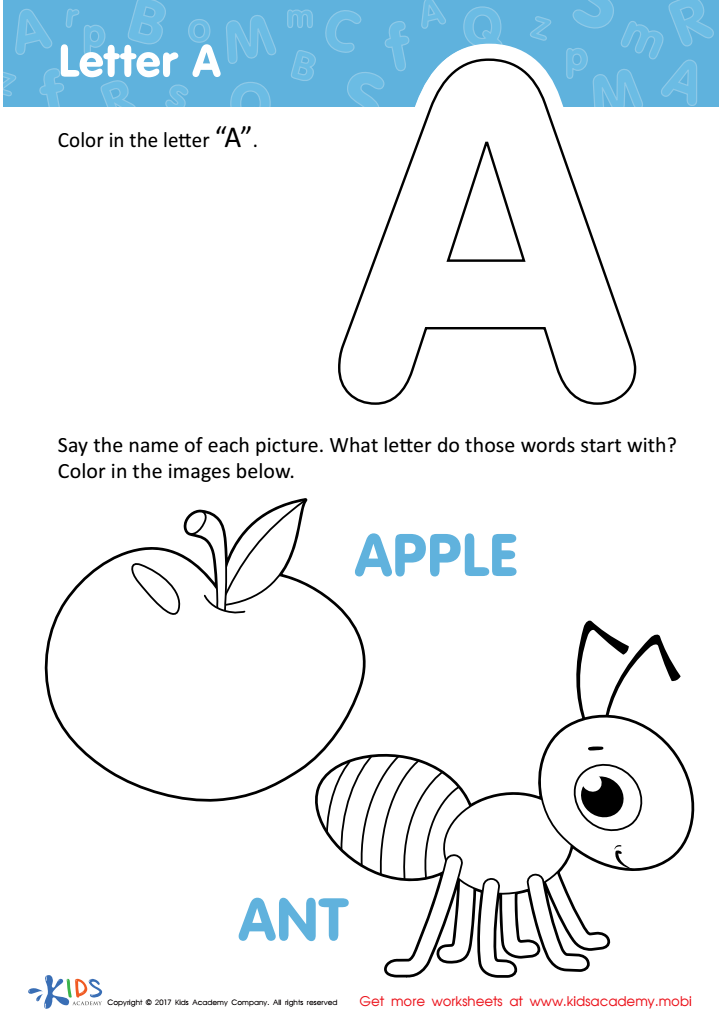
Letter A Coloring Sheet
 Assign to My Students
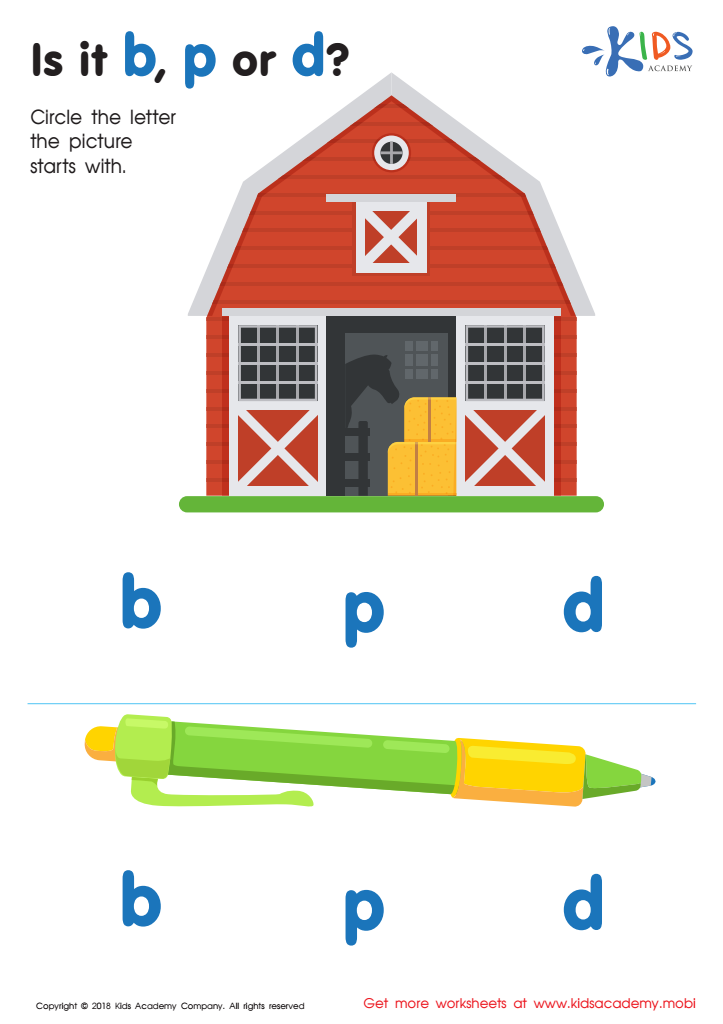
Is it b, p or d? Worksheet
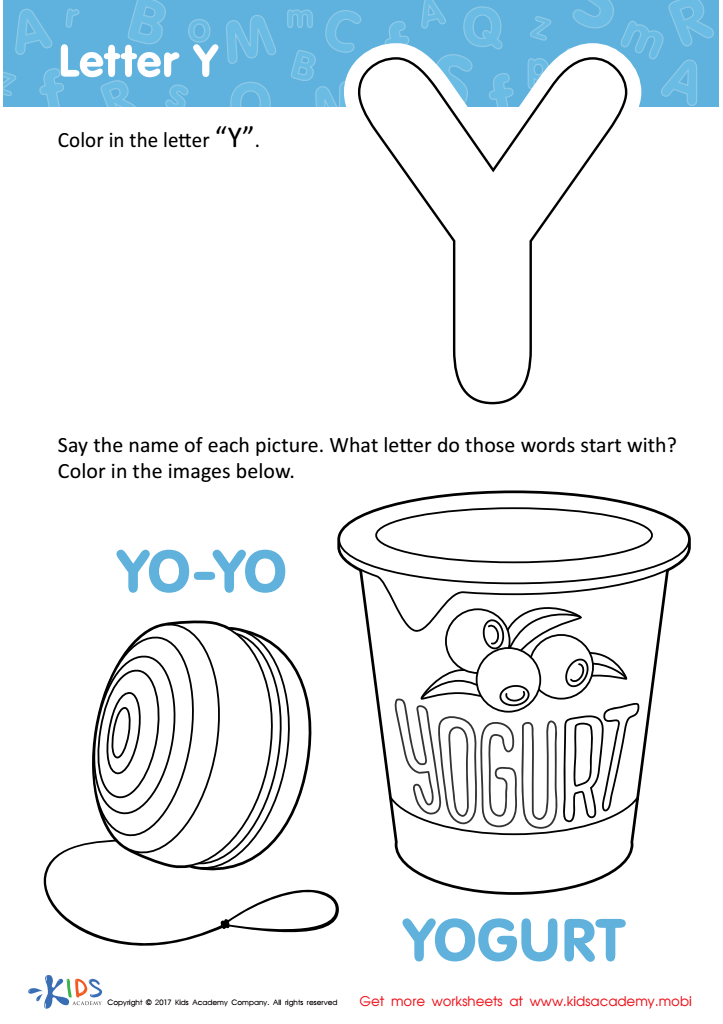
Letter Y Coloring Sheet
Assign to My Students






Phonics practice and letter recognition are fundamental components of early literacy development, especially in kindergarten. Parents and teachers should prioritize these skills because they form the foundation for reading and writing. Mastering letter recognition helps children identify and understand the sounds associated with each letter, which is crucial for decoding words—a skill they will rely on throughout their education and personal lives.
Additionally, strong phonics skills promote confidence in young learners. When children can recognize letters and sound them out, they experience greater success in reading activities, fostering a love for learning. This positive experience encourages ongoing engagement with texts, boosting their vocabulary and comprehension as they progress.
Moreover, early phonics practice aids in preventing future literacy difficulties. By ensuring that children build these skills at a young age, educators and parents can reduce the likelihood of reading challenges later on. Research indicates a strong correlation between early phonics competency and future academic achievement, making it evident that a focus on these skills benefits not only individual learners but also extends to improved classroom performance and overall educational outcomes. Therefore, parents and teachers should actively engage in phonics and letter recognition practices to set children on a path to literacy success.