Handwriting improvement Kindergarten Tracing Letters Worksheets
5 filtered results
-
From - To
Looking to boost your child's handwriting skills? Our Kindergarten Tracing Letters Worksheets offer fun and engaging ways for young learners to practice letter formation. These worksheets feature clear guides designed to help children master proper pencil grip and stroke order. Perfect for little hands, each page encourages meticulous tracing that strengthens fine motor skills and reinforces letter recognition. Ideal for classroom use or extra home practice, our worksheets set the foundation for excellent penmanship. Give your kindergartener a head start on reading and writing with our expertly crafted tracing activities! Start fostering a love for learning today.
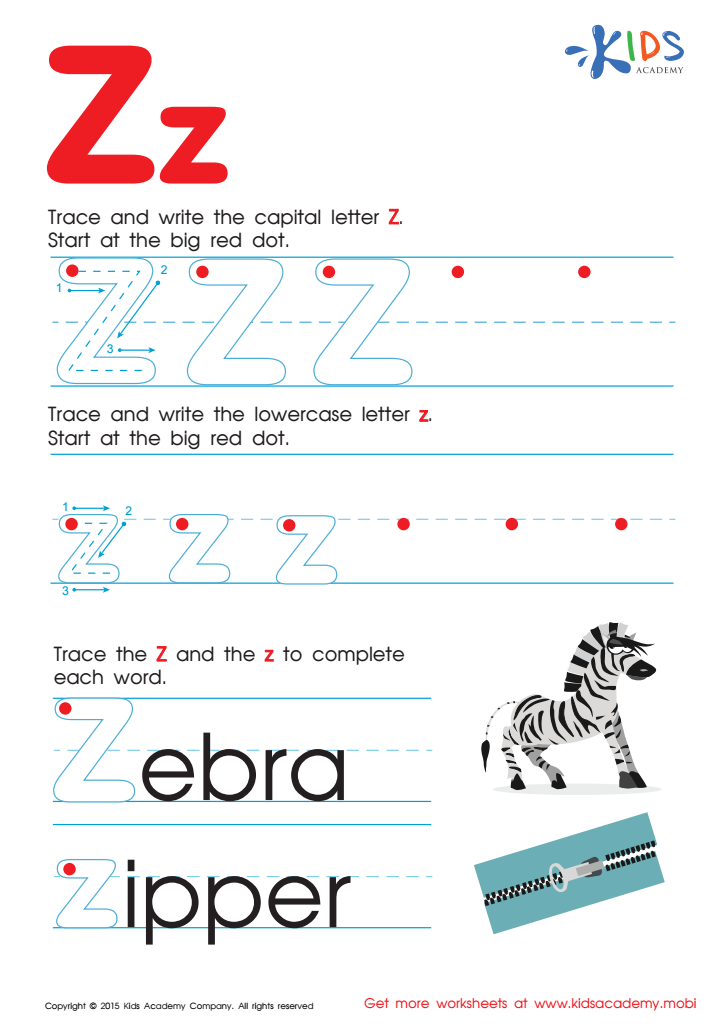
Letter Z Tracing Page
 Assign to My Students
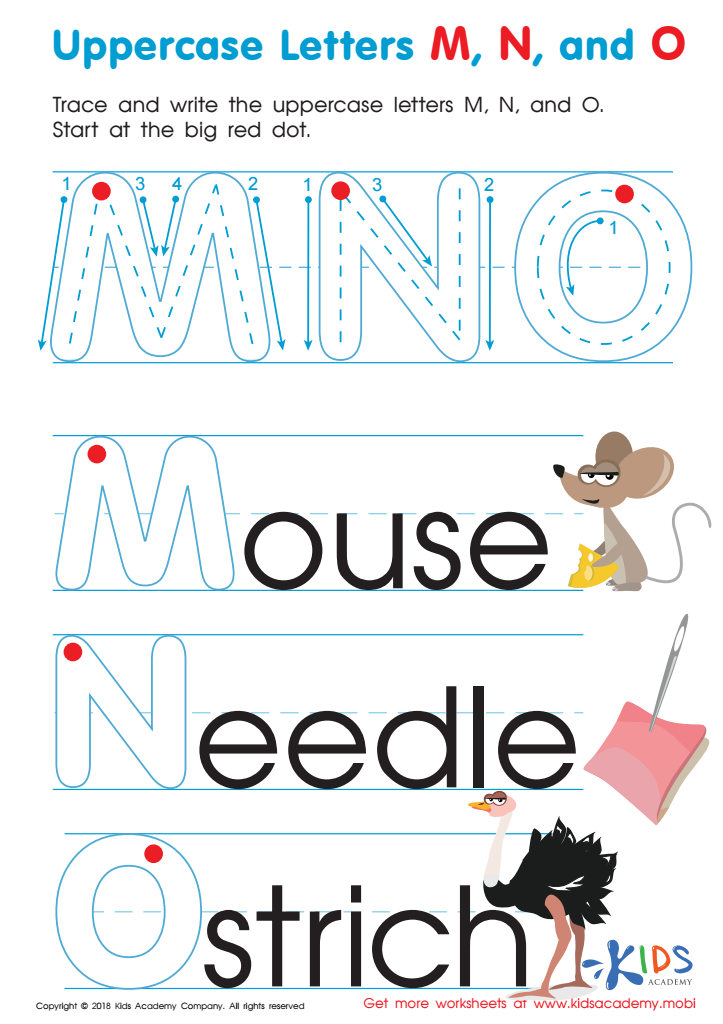
Uppercase Letters M, N, and O Worksheet
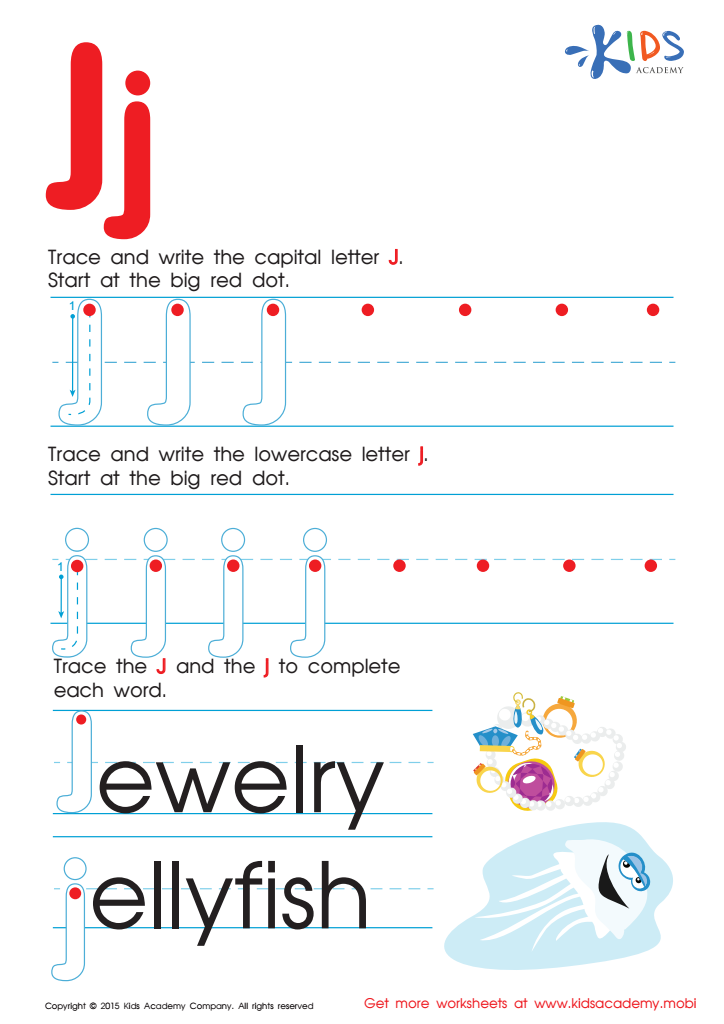
Letter J Tracing Page
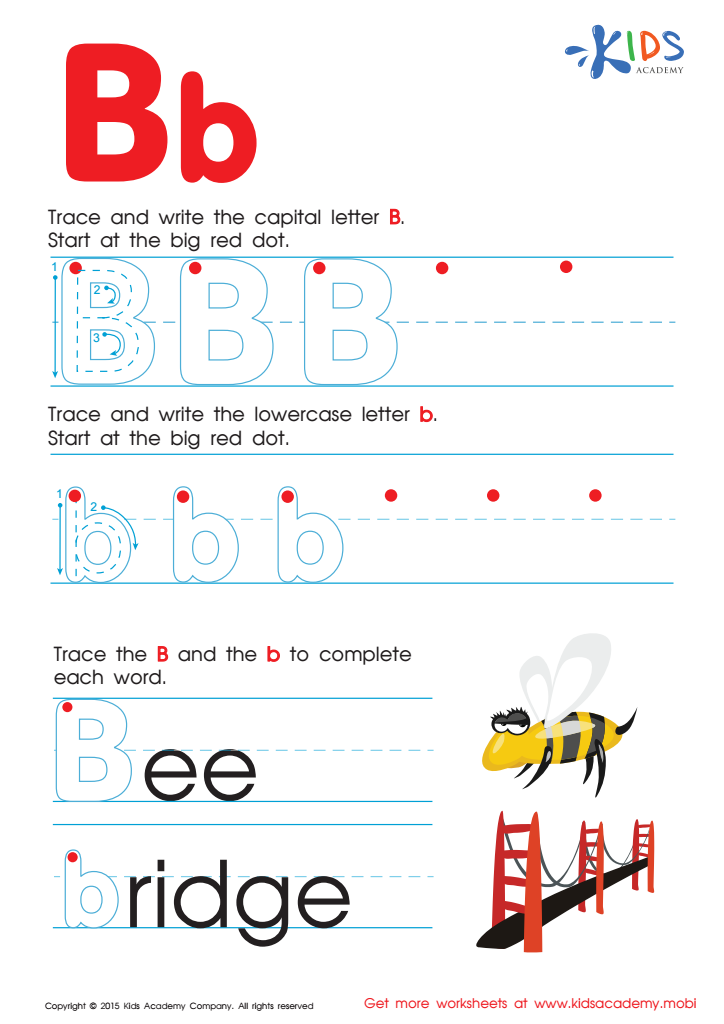
Letter B Tracing Page
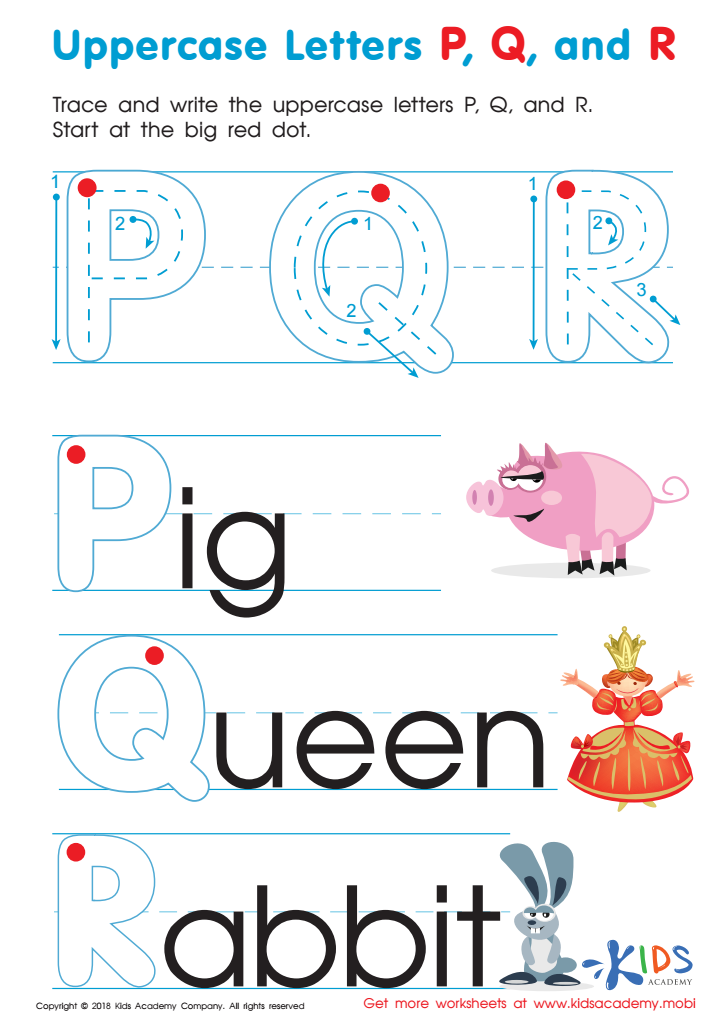
Uppercase Letters P, Q, and R Worksheet





Parents and teachers should care about handwriting improvement in kindergarten, particularly through activities like tracing letters, because it plays a pivotal role in early childhood development. During these formative years, children are developing fine motor skills, which are crucial for tasks like writing, dressing, and even using utensils. Tracing letters helps refine these skills by requiring controlled movements and coordination.
Handwriting activities also lay the foundation for literacy. By familiarizing children with the shapes and forms of letters, these tracing exercises enhance letter recognition, a key component of reading readiness. Engaging in such activities helps children understand the correlation between written letters and their sounds, fostering early phonics skills essential for fluent reading.
Moreover, handwriting practice boosts cognitive development. It encourages focus, attention to detail, and persistence. Learning to trace and write letters necessitates memorizing forms and sequences, enhancing memory and neural connections in young brains.
Investing time in handwriting improvement also cultivates a sense of achievement and confidence. When children see their progress—moving from scribbles to recognizable letters—they develop self-esteem and motivation to tackle more complex tasks. For teachers and parents, supporting this aspect of kindergarten learning not only contributes to academic success but also promotes vital personal skills that children will carry throughout their educational journey and beyond.