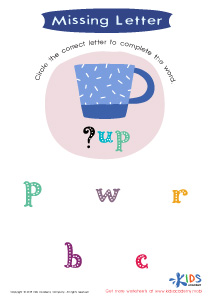
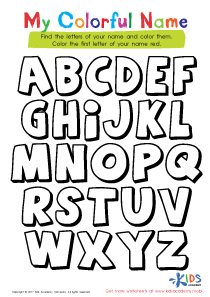
Letter-sound association Kindergarten Tracing Letters Worksheets
5 filtered results
-
From - To
Boost your child's foundational phonics skills with our Letter-Sound Association Kindergarten Tracing Letters Worksheets! These engaging, printable worksheets are designed to help young learners recognize letters and connect them to their corresponding sounds. By tracing letters, children develop fine motor skills and enhance their understanding of the alphabet. Ideal for classroom or home use, these worksheets make learning fun and interactive, paving the way for successful reading and writing early on. Start their educational journey today with Kids Academy – where learning and fun go hand in hand!
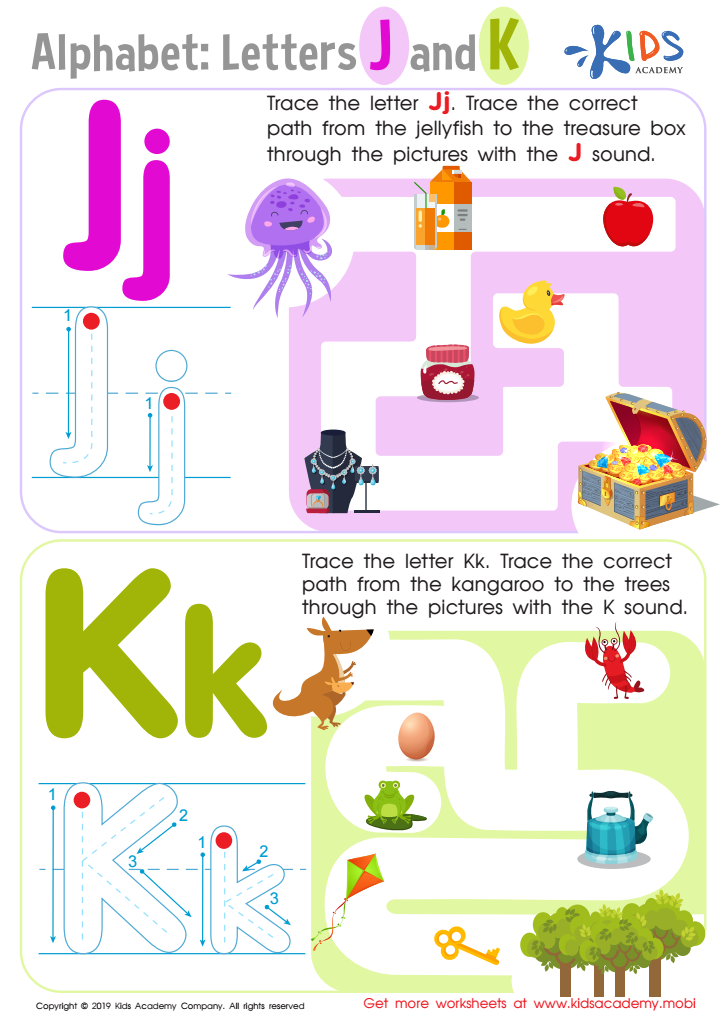
Letters J and K Tracing Worksheet
 Assign to My Students
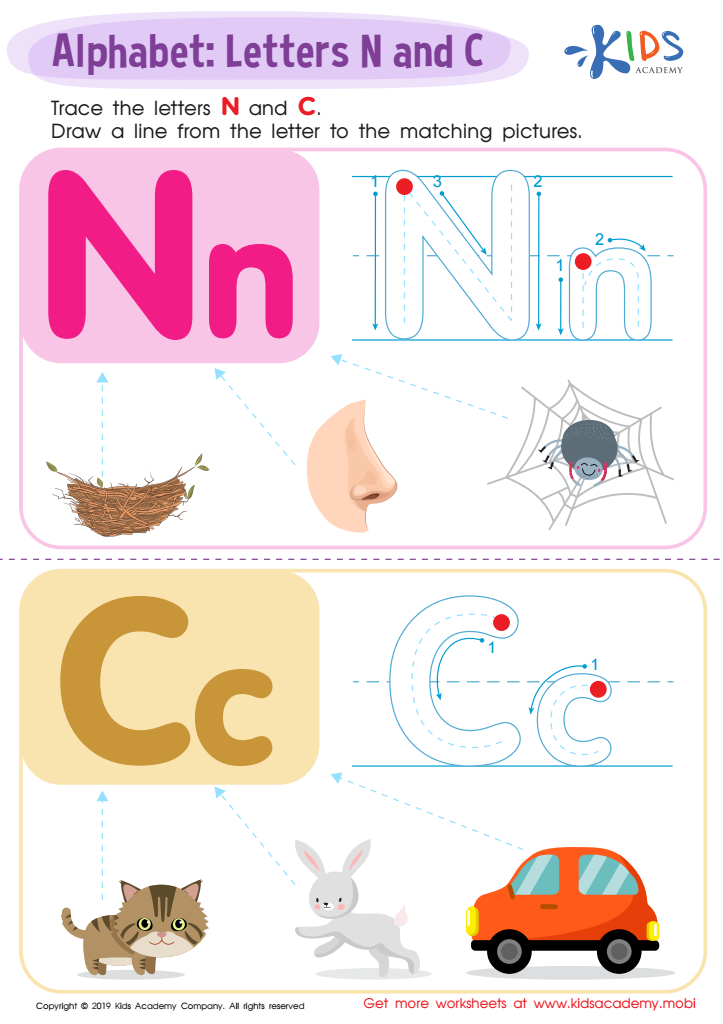
Letter N and C Tracing Worksheet
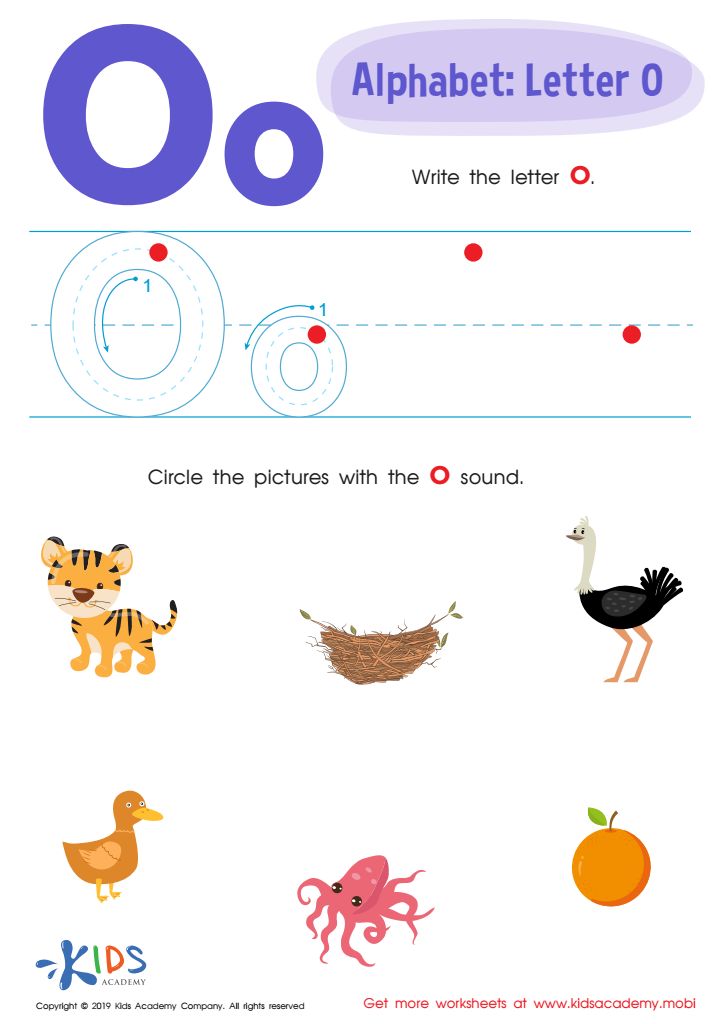
Letter O Tracing Worksheet
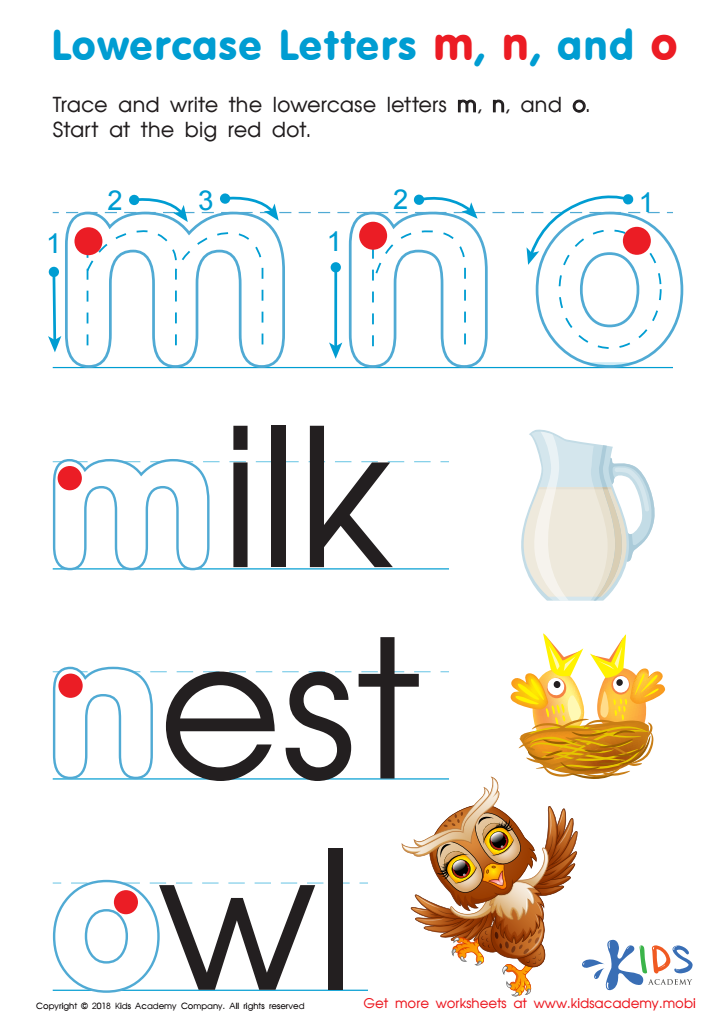
Lowercase Letters m n o Worksheet
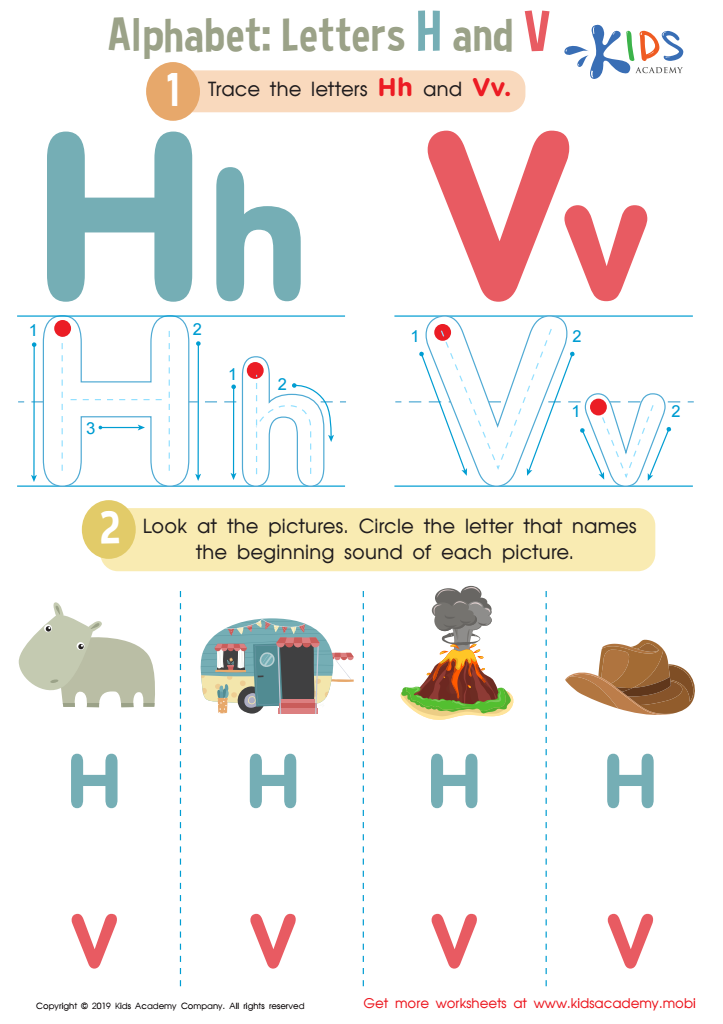
Letters H and V Tracing Worksheet





Parents and teachers should prioritize letter-sound associations and tracing letters in kindergarten because it forms the foundation of literacy skills crucial for a child's educational journey. Understanding how letters correspond to specific sounds (phonics) is essential for reading and writing proficiency. This skill enables children to decode new words, enhancing their vocabulary and comprehension abilities.
Tracing letters helps reinforce this connection between sounds and symbols. By physically forming letters, children improve fine motor skills, which are vital for handwriting. It also aids in memory retention, making it easier for young learners to remember and recognize letters. When tracing letters, children engage multiple senses—sight, touch, and even sound when they verbalize the letters and their corresponding sounds—creating a multi-sensory learning experience that enhances cognitive connections.
Finally, engaging in these foundational activities early fosters a positive attitude towards learning. Early success in reading and writing builds confidence and motivates children to explore and enjoy other academic areas. Parental and teacher involvement supports a child's development, ensuring they are better prepared for future academic challenges and lifelong learning.