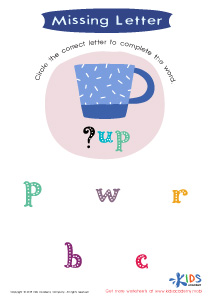
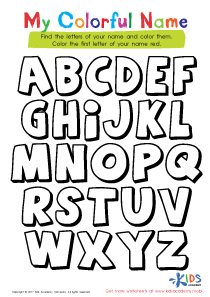
Alphabet understanding Kindergarten Upper & Lowercase Letters Worksheets
3 filtered results
Difficulty Level
Grade
Age
-
From - To
Subject
Activity
Standards
Enhance your child's alphabet understanding with our printable Kindergarten Upper & Lowercase Letters Worksheets. Designed for early learners, these engaging activities help children recognize, differentiate, and write both uppercase and lowercase letters. Our worksheets offer a variety of fun exercises, including matching, tracing, and identifying letters, providing a comprehensive approach to alphabet mastery. Perfect for home or classroom use, they support preschool and kindergarten curricula while fostering a love for learning. Equip your little ones with the foundational skills they need for reading and writing with our specially curated resources. Explore our collection today and watch your child thrive in their literacy journey!
Favorites
With answer key
Interactive
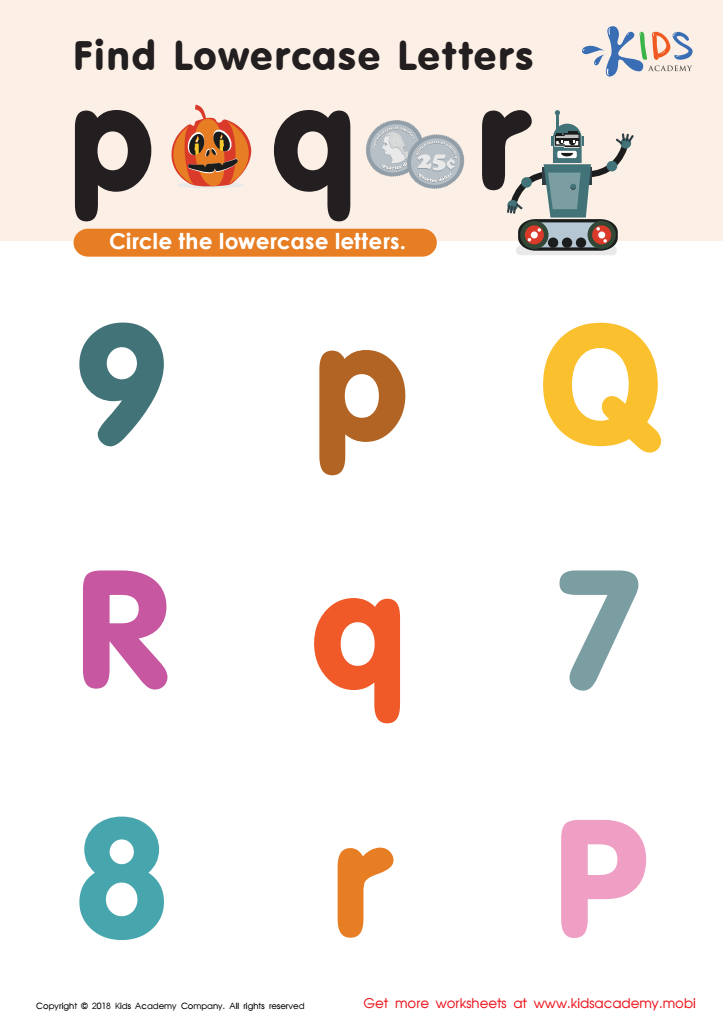
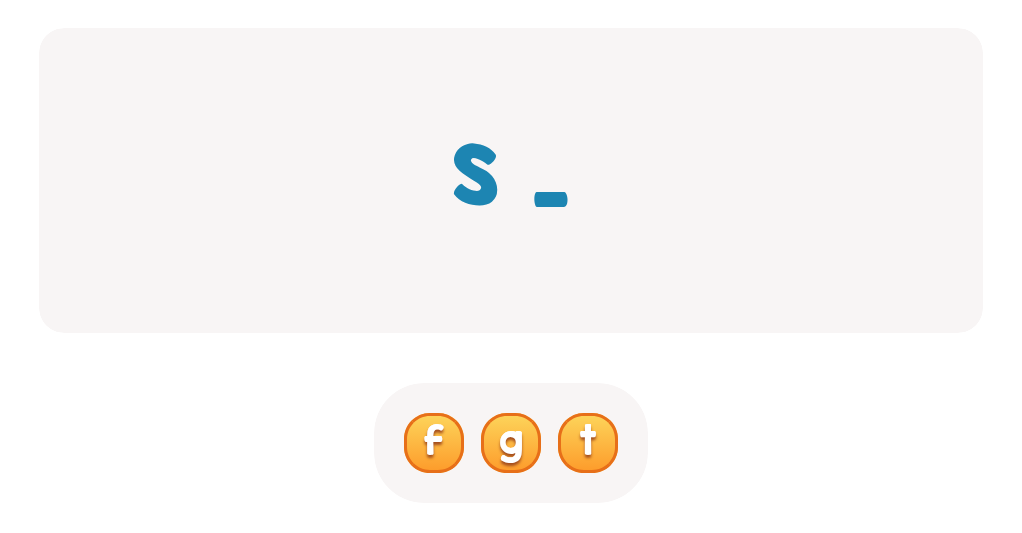
Find lowercase Letters p q r Worksheet
Help your child spot the lowercase letters among the numbers and uppercase letters in this worksheet. It's a great way to teach them to identify and write the lowercase and uppercase letters. Assist them in completing the exercise to give them a better understanding of the alphabets.
 Assign to My Students
Find lowercase Letters p q r Worksheet
Worksheet

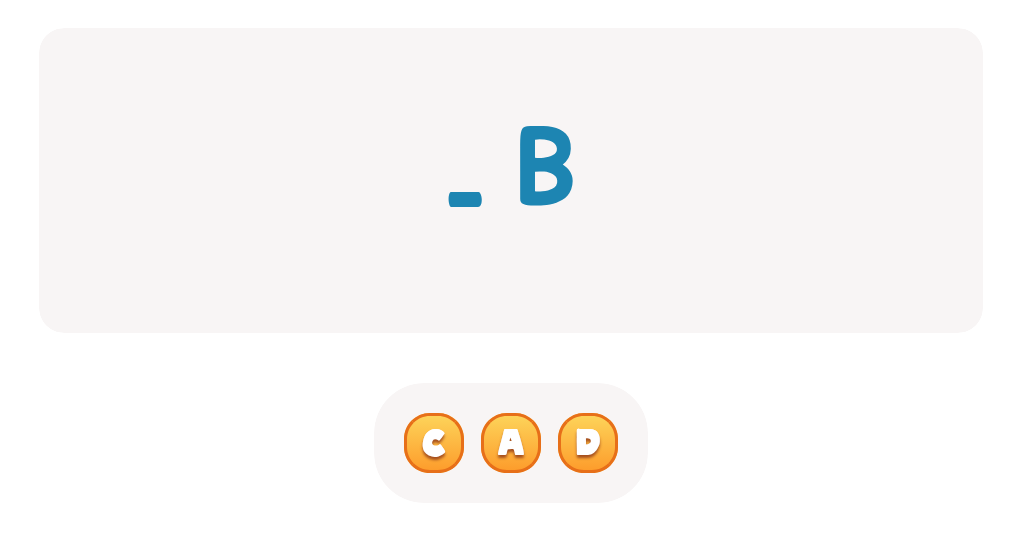
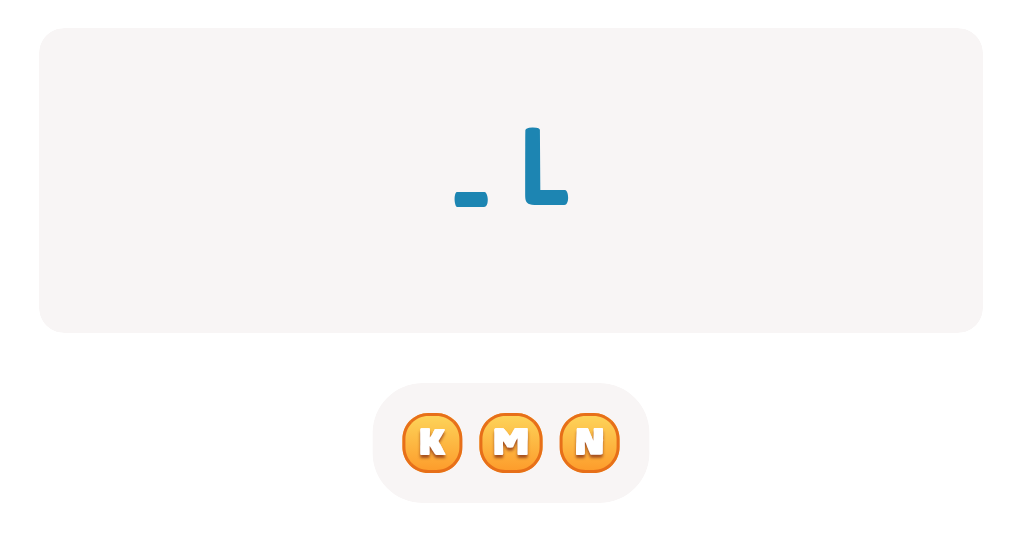

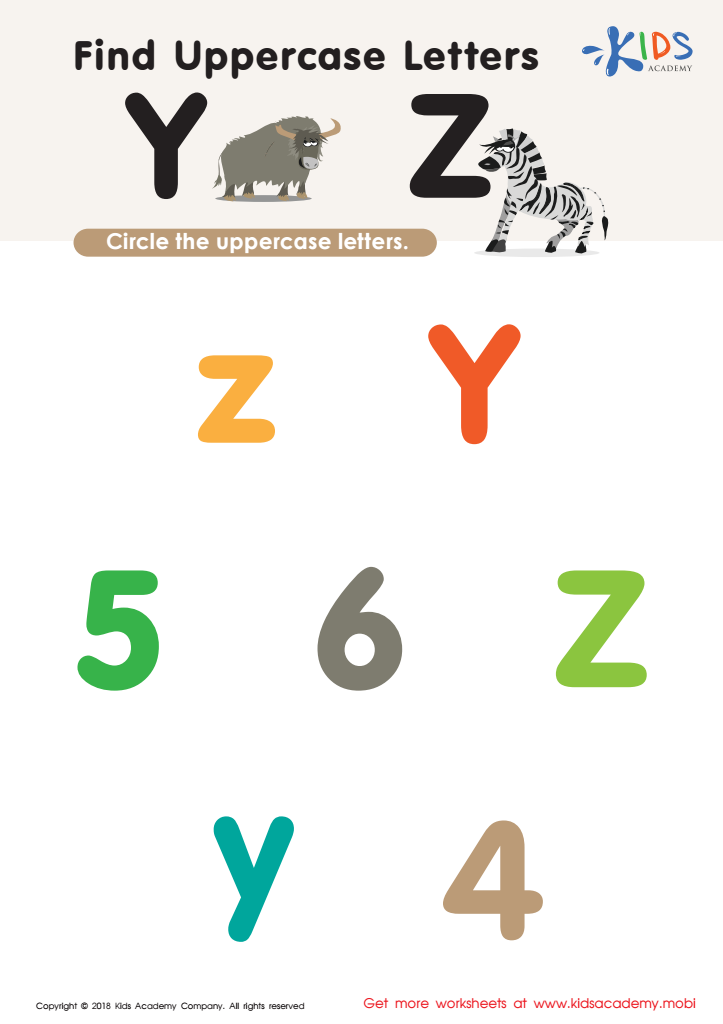
Find Uppercase Letters Y Z Worksheet
Download the worksheet! Help your youngster to learn the alphabet and distinguish uppercase from lowercase letters by having them circle the uppercase ones. It's an important first step towards reading and writing success!
Find Uppercase Letters Y Z Worksheet
Worksheet
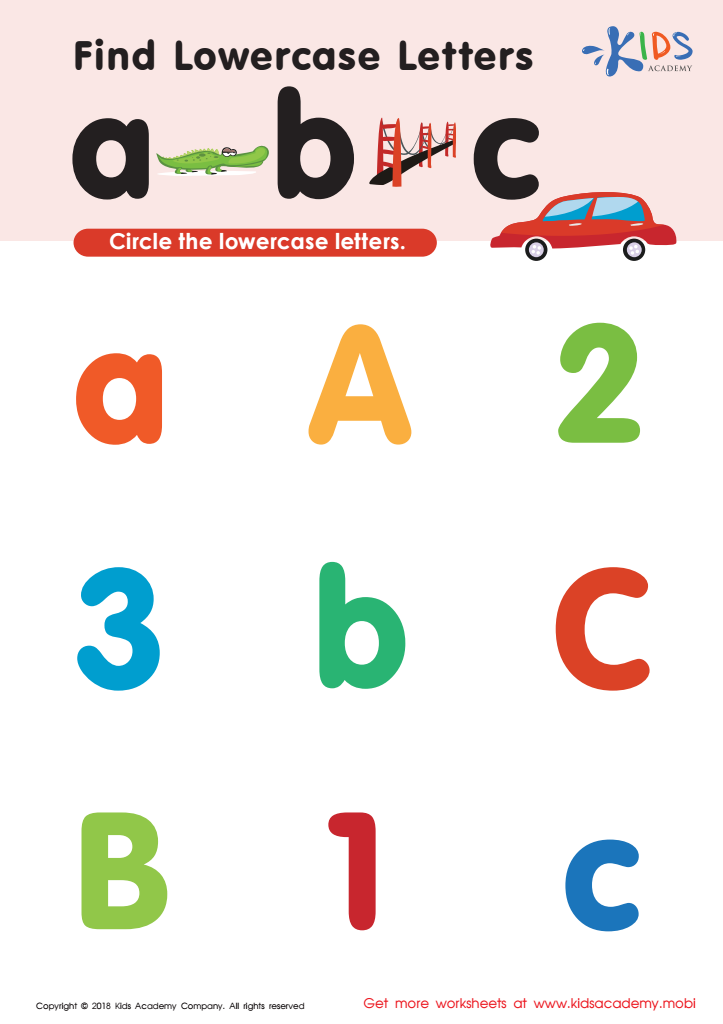
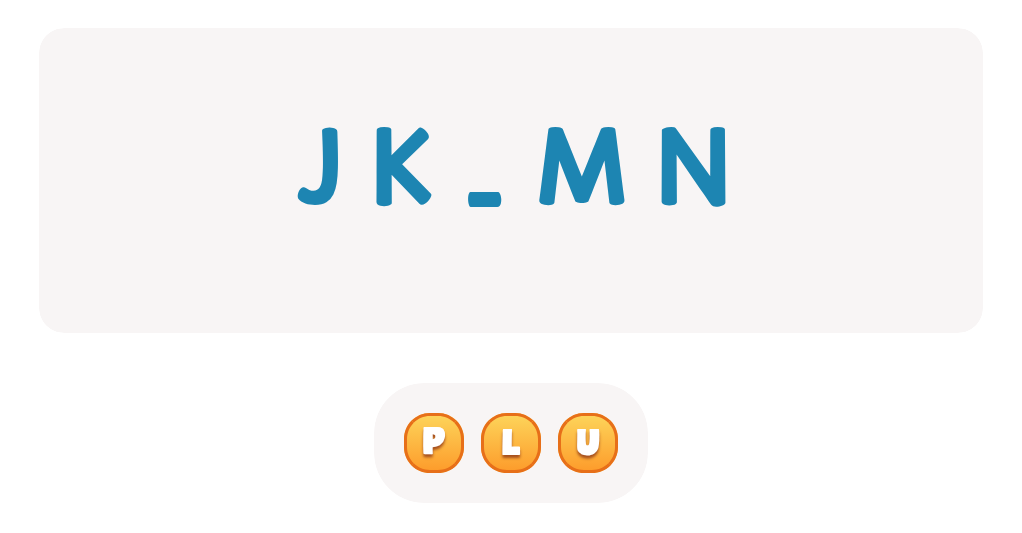
Find lowercase letters a b c Worksheet
Help your child identify lowercase letters with this worksheet. Carefully look at each letter and have your child circle the lowercase ones. This exercise is vital in helping them understand the alphabet and the difference between lower and uppercase letters.
Find lowercase letters a b c Worksheet
Worksheet
Join Kids Academy for Free
Who is primarily going to use this learning content?





Understanding both uppercase and lowercase letters is foundational for a child's literacy development. It is essential for several reasons:
Firstly, recognizing uppercase and lowercase letters fosters reading proficiency. In English, sentences typically start with an uppercase letter, and familiarity with both forms crucially aids in decoding words. For instance, recognizing "A" and "a" can prevent confusion in reading and writing tasks, ensuring that children can articulate and understand their thoughts clearly.
Secondly, knowledge of letter formations promotes writing skills. Children learn to differentiate between letters, which eases the transition from letter recognition to spelling and composing sentences. This skill is vital for developing coherent communication as they progress in their education.
Moreover, encouraging letter recognition helps enhance vocabulary. When children engage with both uppercase and lowercase letters through various activities and games, they become better equipped to understand new words, laying the groundwork for a more extensive language base.
Lastly, mastery of letters cultivates confidence. As children successfully navigate reading and writing tasks, their self-esteem grows, motivating them to take on new challenges. In summary, teachers and parents play a pivotal role in supporting this critical area of early literacy, fostering a love for learning that will benefit children in all future academic endeavors.