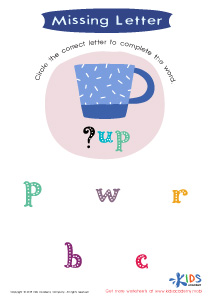
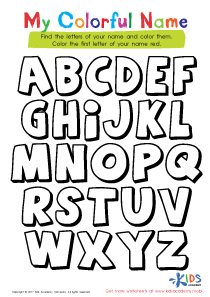
Fine motor skills development Kindergarten Upper & Lowercase Letters Worksheets
3 filtered results
-
From - To
Our "Fine Motor Skills Development Kindergarten Upper & Lowercase Letters Worksheets" are designed to help young learners improve their penmanship. These worksheets encourage children to practice tracing and writing both uppercase and lowercase letters, thereby enhancing their fine motor skills. Complementing regular handwriting exercises, our worksheets are crafted to boost hand-eye coordination, dexterity, and muscle memory, essential foundations for proficient writing. Perfect for classroom or at-home use, our engaging and visually appealing resources help keep children motivated and make learning fun. Start your child’s journey to improved handwriting and fine motor skills today with Kids Academy.
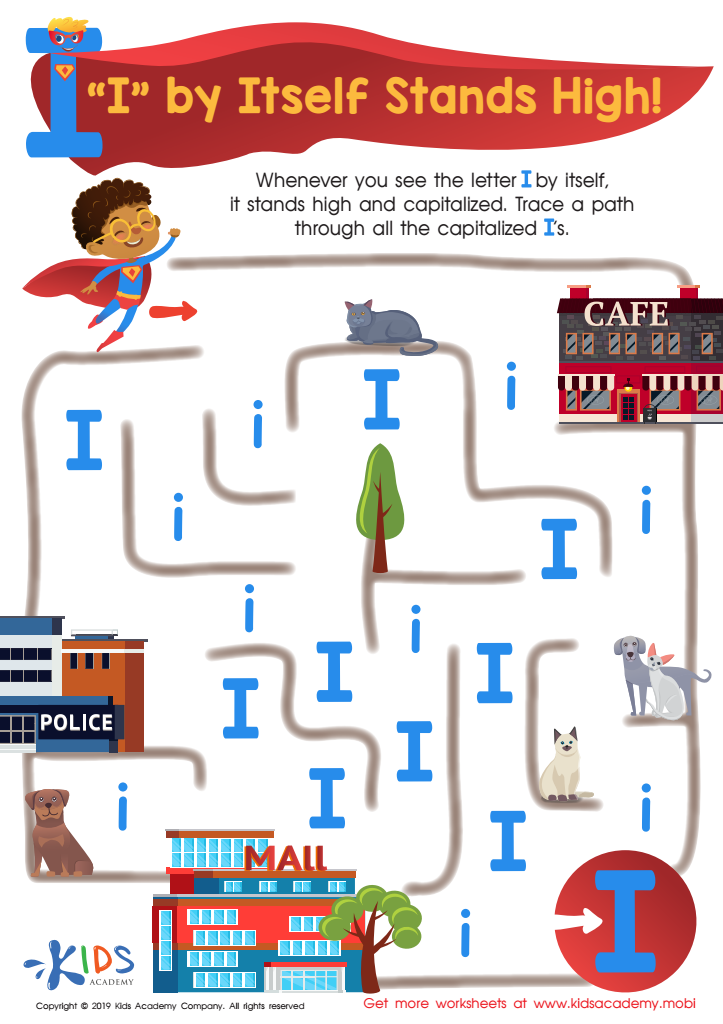
I Stands High Worksheet
 Assign to My Students
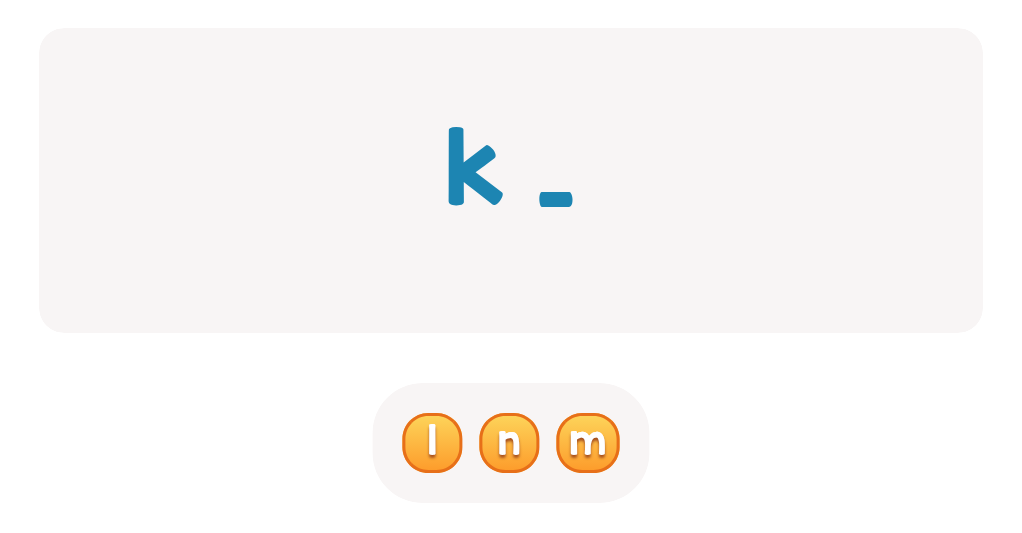








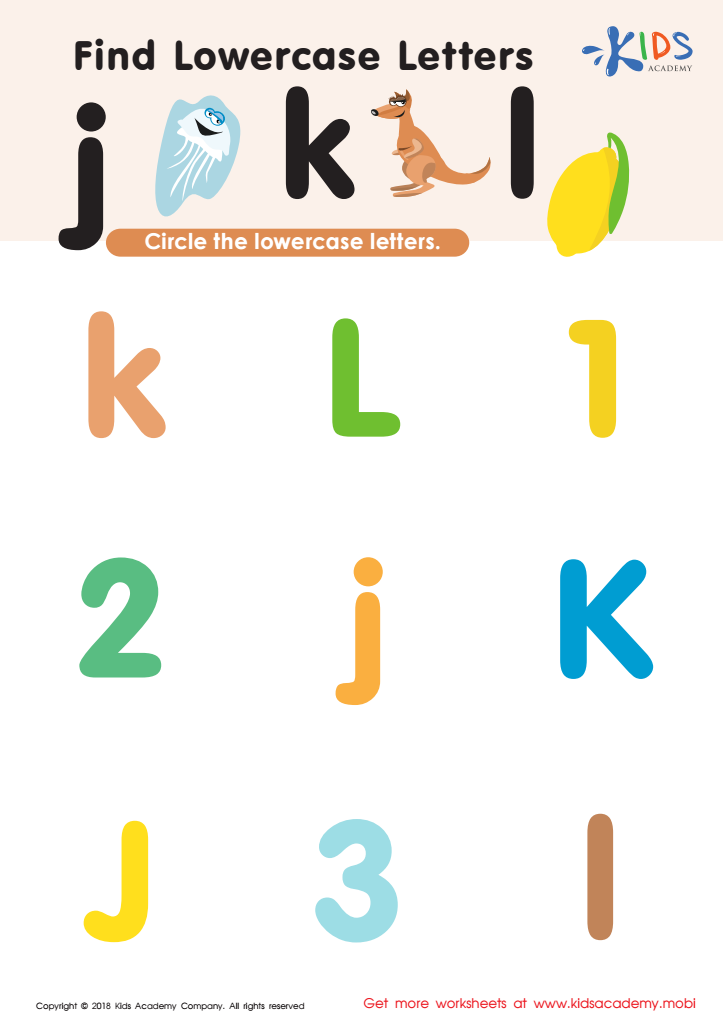
Find Lowercase Letters j k l Worksheet
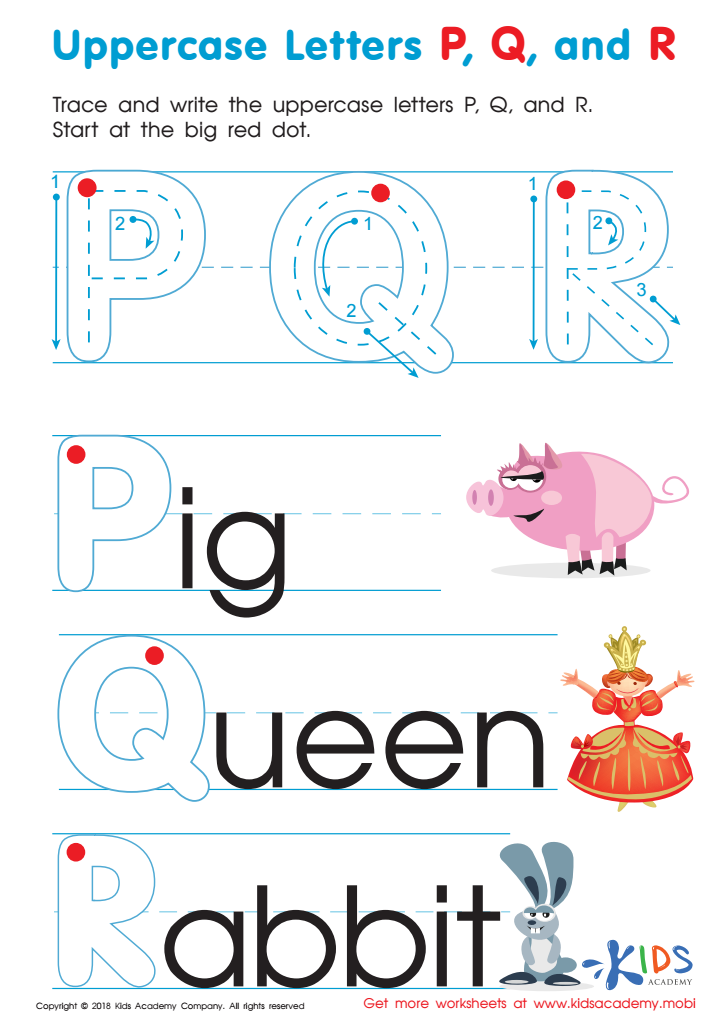
Uppercase Letters P, Q, and R Worksheet





The development of fine motor skills in kindergarten is crucial as it lays the foundation for children’s academic success and daily life skills. Fine motor skills involve the coordination of small muscles in the hands and fingers, enabling tasks such as holding a pencil, using scissors, and buttoning a shirt. Encouraging the practice of writing uppercase and lowercase letters helps significantly in this arena.
When children engage in activities that enhance fine motor skills, they build the essential muscle strength and dexterity needed for writing and other precise hand movements. Writing uppercase and lowercase letters is not just about learning the alphabet; it's a practical exercise that promotes proper handgrip, control, and steadiness. This early investment can mitigate future challenges like illegible handwriting or reliance on inefficient writing techniques.
Moreover, mastering both types of letter forms aids in letter recognition and literacy development. Recognizing and writing letters correctly is fundamental for reading fluently and spelling accurately. This proficiency directly contributes to a child's self-confidence and ability to participate in classroom activities, creating a more enjoyable and successful learning experience.
In essence, fostering fine motor skills through letter writing is a dual benefit approach. It equips children with necessary writing capabilities and enhances their overall literacy levels, paving the way for a robust educational foundation.