Categorization skills Kindergarten Numbers 0–10 Worksheets
3 filtered results
-
From - To
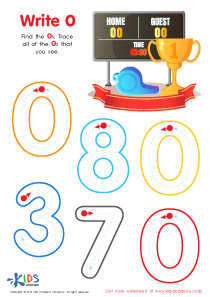
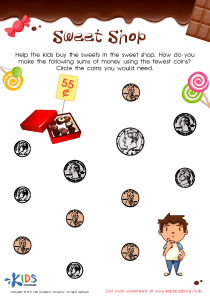
Enhance your child's numeracy and sorting abilities with our "Categorization skills Kindergarten Numbers 0–10 Worksheets." Specially designed for young learners, these engaging activities help children recognize, categorize, and distinguish numbers from 0 to 10. Watch as they develop critical thinking and foundational math skills through playful exercises that highlight patterns, sequencing, and number relationships. Perfect for both classroom and at-home learning, these worksheets are an enjoyable and effective way to bolster your child's confidence and capabilities in number recognition and categorization. Download today and start building essential early math competencies effortlessly!
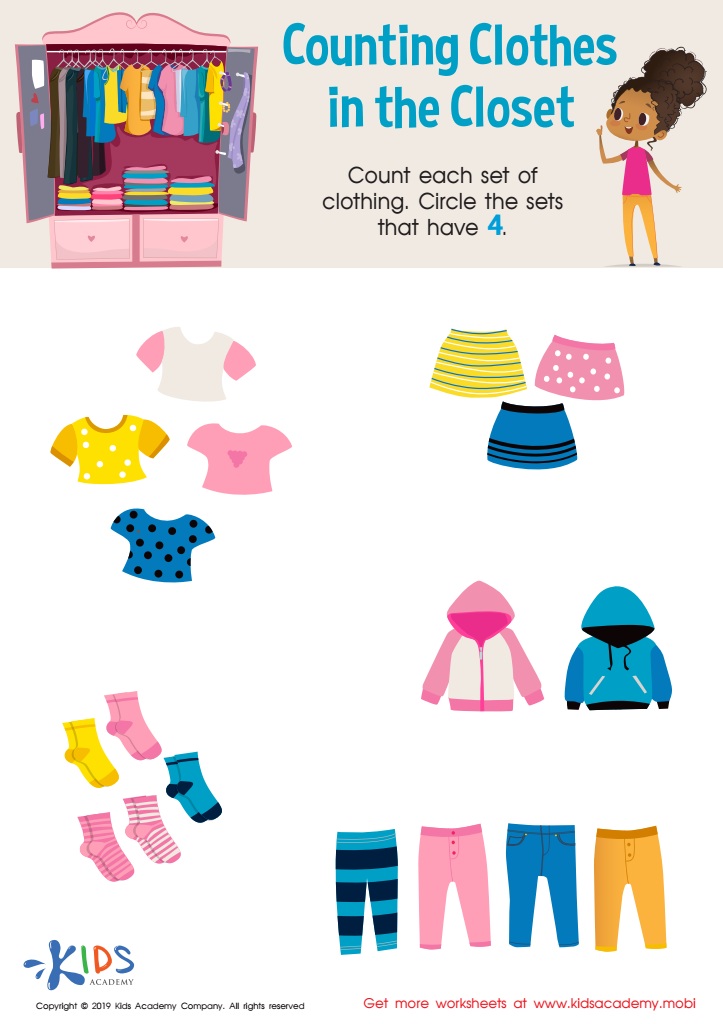
Counting Clothes Worksheet
 Assign to My Students
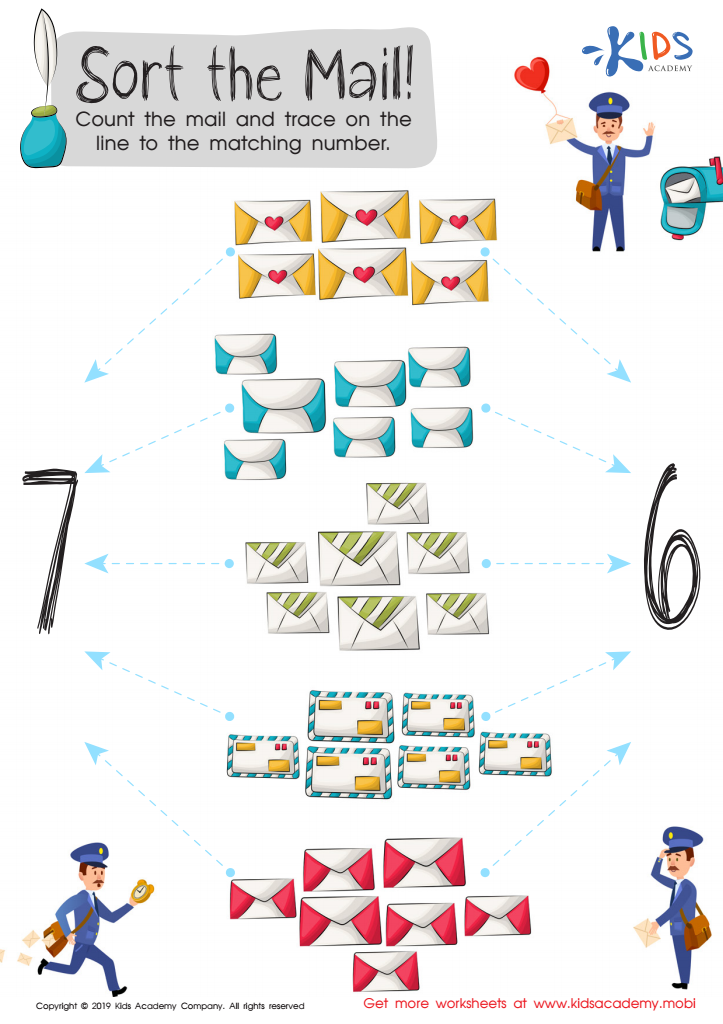
Sort the Mail Worksheet
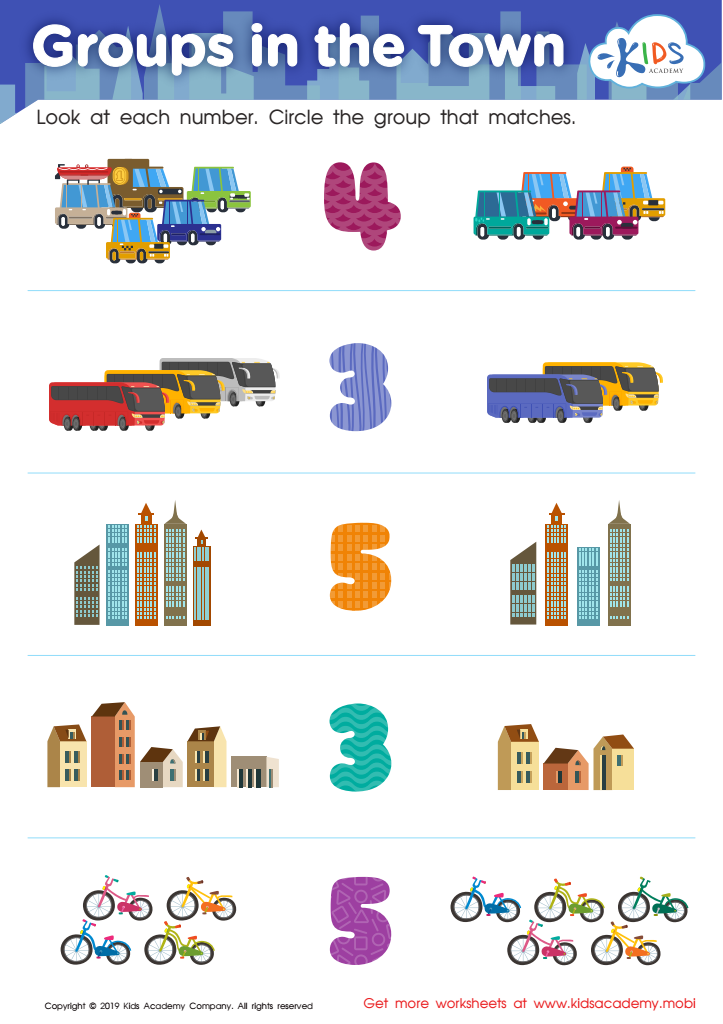
Groups in the Town Worksheet


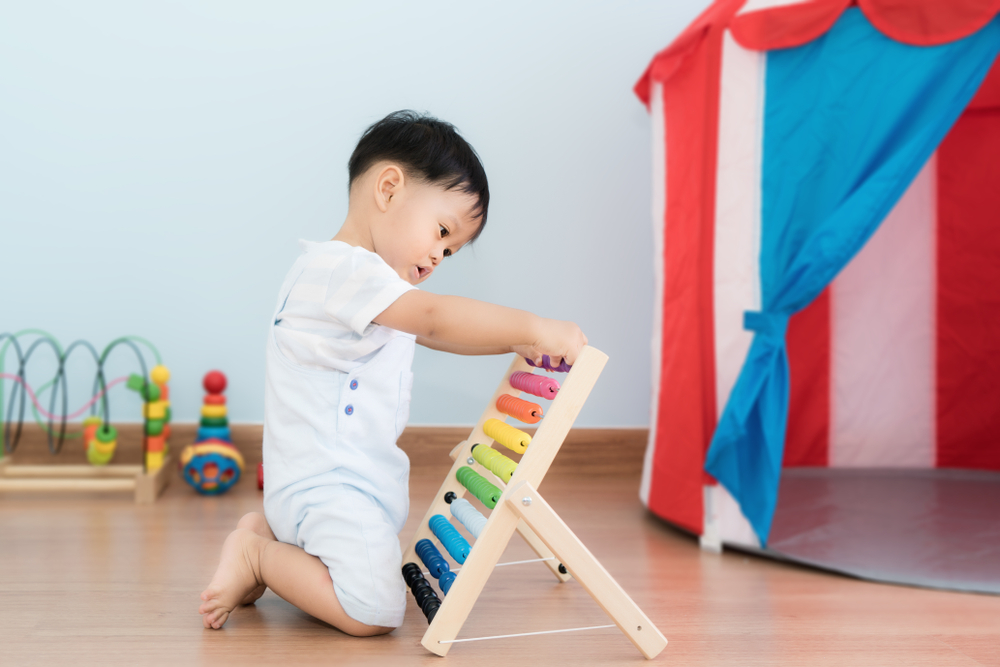

Categorization skills in kindergarten, particularly with numbers 0–10, lay a foundational framework for a child’s mathematical and cognitive development. When young learners engage in categorization, they learn to group objects, concepts, and numbers based on common attributes, which sharpens their analytical thinking and supports essential problem-solving abilities.
These early skills crucially impact a child's numeral recognition and counting proficiency. By mastering numbers 0–10 through categorization activities such as sorting blocks, counting objects into groups, or creating simple patterns, children start to understand numerical relationships and sequence. This foundational knowledge forms the cornerstone of more complex mathematical concepts, including addition and subtraction, they will encounter in subsequent grades.
Furthermore, categorization enhances a child’s ability to organize information, a vital life skill beyond mathematics. It refines their reasoning ability and helps them make sense of the world, fostering competencies that extend into literacy and everyday decision-making. For teachers and parents, focusing on categorization with numbers 0–10 ensures kids not only get a strong start in math but also develop critical thinking skills applicable throughout various aspects of their learning journey and day-to-day life coordination. Therefore, dedicating time to nurturing these skills provides children with a robust platform for broader academic and personal success.