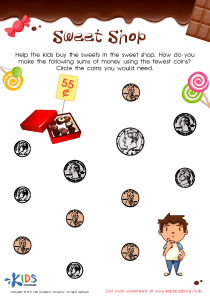
Spatial awareness Kindergarten Numbers 0–10 Worksheets
3 filtered results
-
From - To
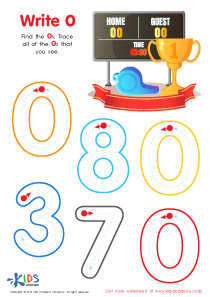
Boost your child's math skills with our "Spatial Awareness Kindergarten Numbers 0–10 Worksheets". These expertly-designed worksheets help young learners grasp number concepts while enhancing spatial awareness. Activities like number sequencing, counting objects, and connecting dots are fun and engaging, making learning a delightful experience. Perfect for classroom or home use, these worksheets cater to different learning styles and paces. Our carefully crafted exercises ensure a solid foundation in numbers 0–10, paving the way for future mathematical success. Equip your kindergartener with the tools to excel in math and spatial awareness through interactive and enjoyable practice.
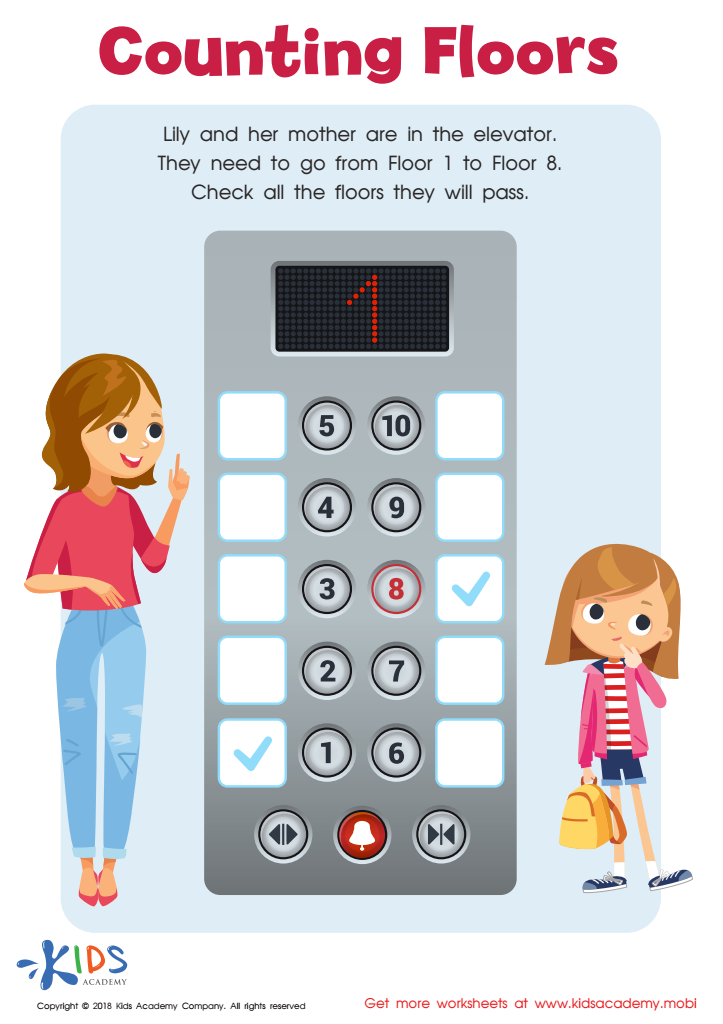
Counting Floors Worksheet
 Assign to My Students
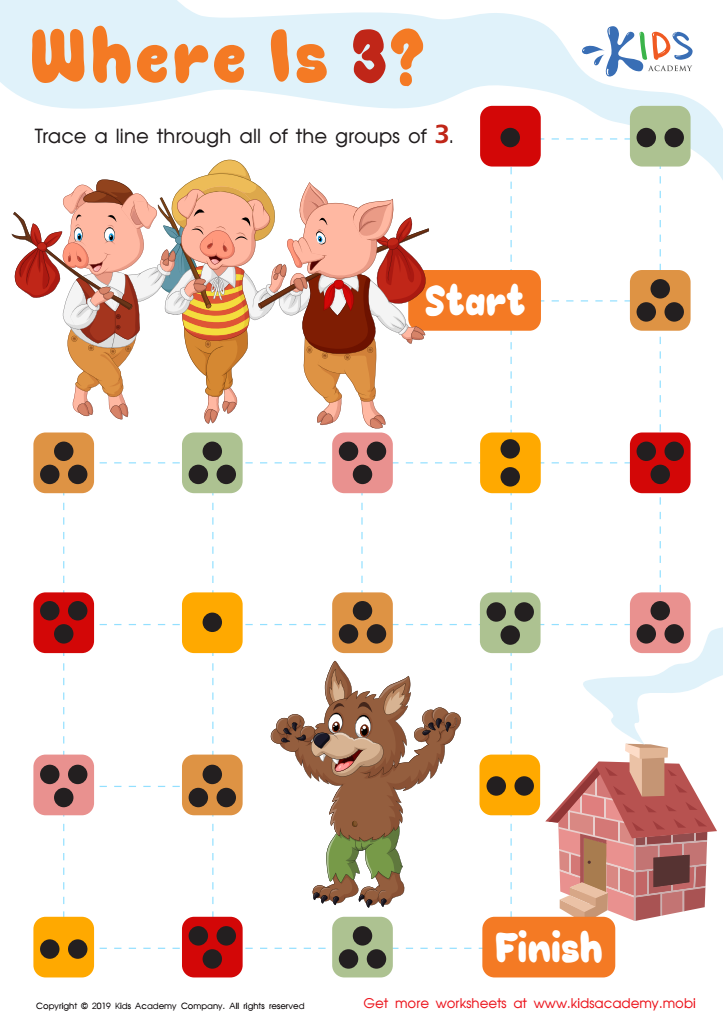
Where Is 3? Worksheet
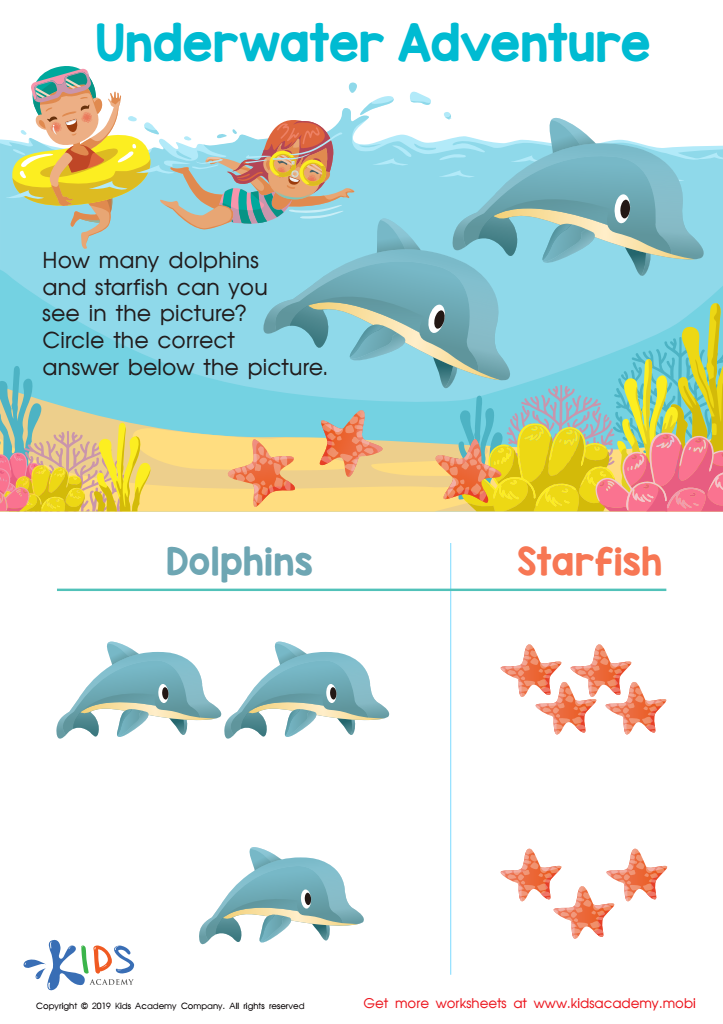
Underwater Adventure Worksheet


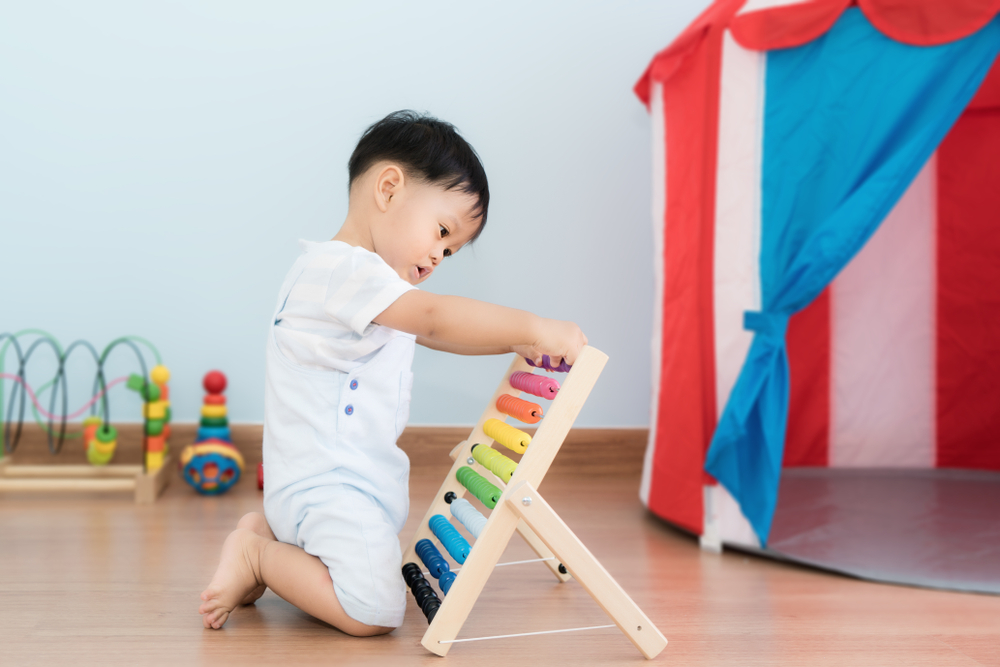

Parents and teachers should care about teaching spatial awareness and numbers 0–10 to kindergarteners because these foundational skills are essential for their overall cognitive development. Spatial awareness helps children comprehend the physical space around them, which impacts their ability to navigate the world, understand geometric concepts, and perform everyday tasks more safely and effectively. It is closely linked to developing fine motor skills, including tying shoes, writing, and using tools, fostering better hand-eye coordination.
Introducing numbers 0–10 at an early age is crucial for building numerical literacy. Mastery of these basic numbers lays the groundwork for future math skills, including addition, subtraction, and understanding the concept of zero. Early number sense also supports recognizing patterns, problem-solving, and logical thinking, all of which are vital skills across various academic domains. Engaging with numbers helps children develop counting skills, numerical order recognition, and the ability to make simple mathematical connections, boosting their confidence in their abilities.
By focusing on spatial awareness and early numeracy, parents and teachers can foster a kindergartener's cognitive, motor, and social-emotional development, setting them up for lifelong learning and success. Integrating playful, hands-on activities makes learning engaging and enjoyable, nurturing a positive attitude towards education.