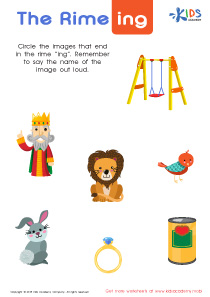
Animal recognition Kindergarten Reading Worksheets
3 filtered results
-
From - To
Welcome to our "Animal Recognition Kindergarten Reading Worksheets" page! Designed specifically for young learners, these engaging worksheets help children identify various animals while enhancing their reading skills. Each sheet features vibrant illustrations and simple text, making learning both fun and interactive. Activities include matching animals with their names, sorting animals by habitat, and fill-in-the-blank exercises that encourage vocabulary development. These resources not only promote literacy but also ignite curiosity about the natural world. Perfect for teachers and parents alike, our worksheets are easy to print and ideal for reinforcing animal recognition in a playful, educational way. Explore and watch your little ones thrive!
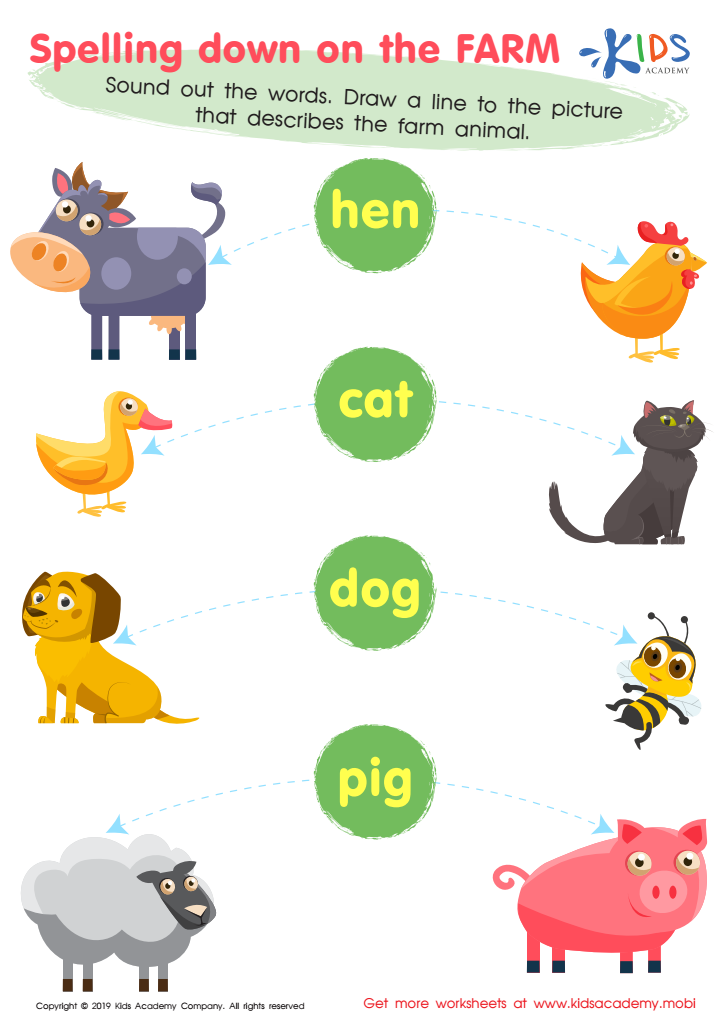
Spelling Down on the Farm Worksheet
 Assign to My Students
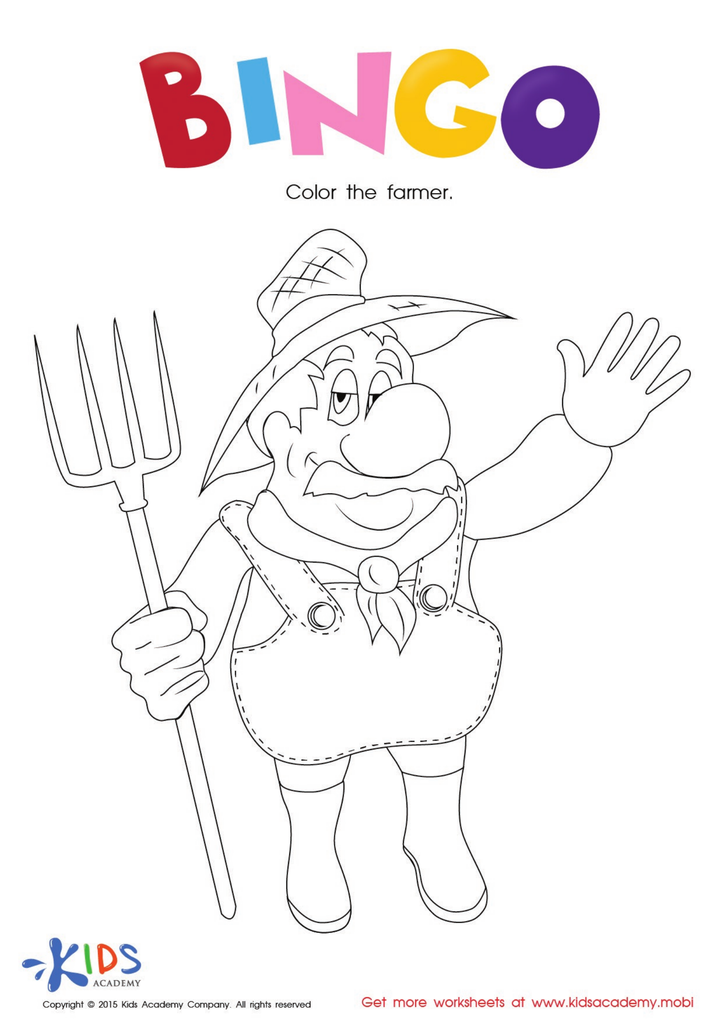
The Bingo Song: Coloring The Farmer Worksheet
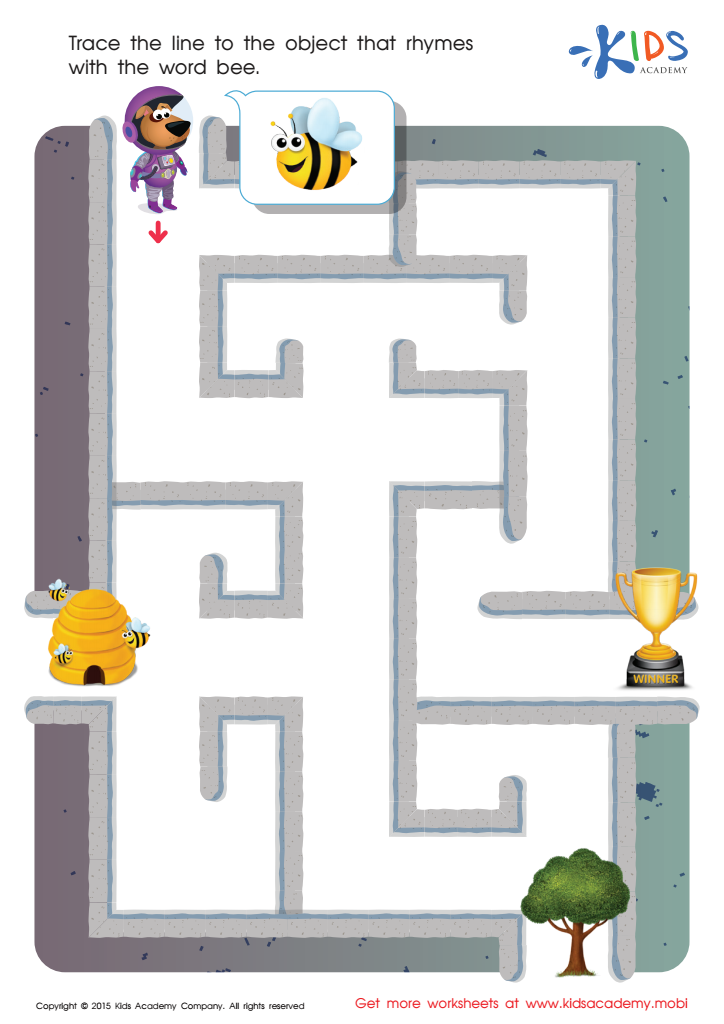
Bee Rhyming Words Worksheet





.jpg)

Animal recognition in kindergarten reading is essential for several reasons. Firstly, it boosts children’s vocabulary and literacy skills. Young learners encounter a variety of animals in storybooks, which exposes them to new words and concepts, helping them build a strong foundation for language development.
Additionally, recognizing animals taps into children’s natural curiosity about the world around them. It encourages exploration and inquiry, making learning fun and engaging. When children identify different animals, they also learn about their habitats, diets, and behaviors, fostering critical thinking skills.
Furthermore, animal recognition can integrate social-emotional learning. Animals often represent various emotions and life lessons, allowing children to connect stories to their experiences. Through discussions about animals and their roles in stories, teachers and parents can nurture empathy and compassion in young learners.
Finally, these engaging activities support cognitive development. Sorting, classifying, and comparing animals help hone decision-making and problem-solving abilities. By prioritizing animal recognition in kindergarten reading, parents and teachers play a vital role in creating an enriching educational environment that lays the groundwork for lifelong learning and curiosity.