Identifying shapes Kindergarten Reading Worksheets
3 filtered results
Difficulty Level
Grade
Age
-
From - To
Subject
Activity
Standards
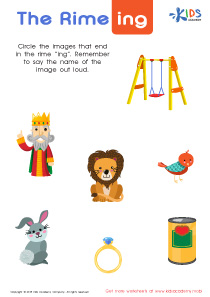
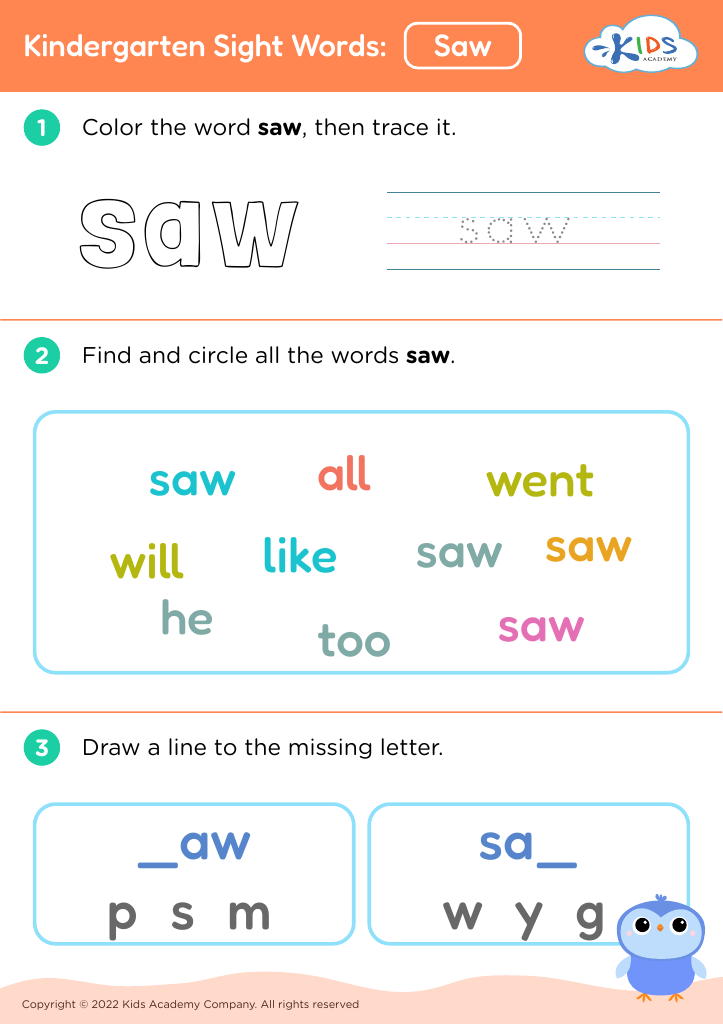
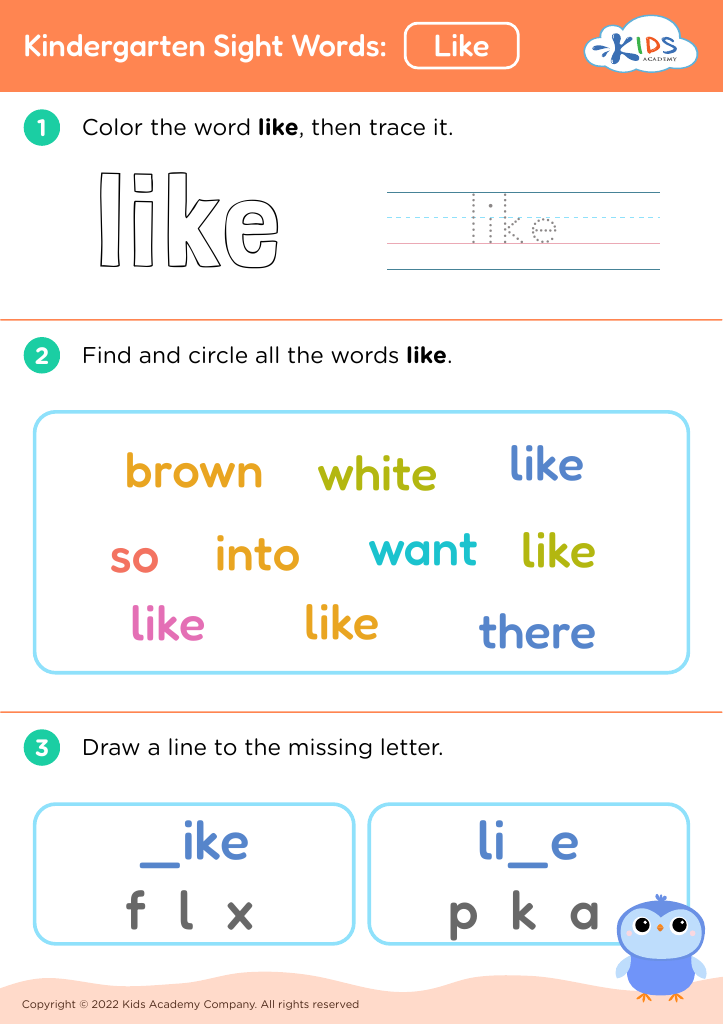
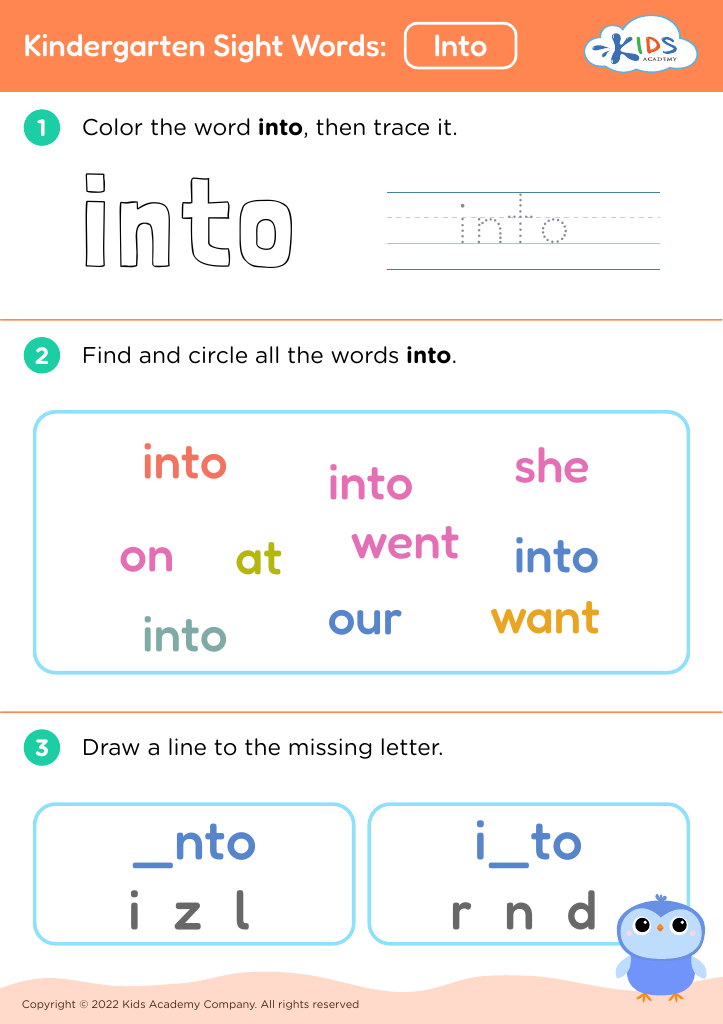
Help your kindergarteners master shape recognition with our engaging "Identifying Shapes" reading worksheets! Designed to blend fun with learning, these printables offer colorful activities to sharpen your child's ability to identify and name basic geometric shapes, including circles, squares, triangles, and more. Ideal for developing early reading and cognitive skills, each worksheet is crafted to keep young minds captivated while enhancing their understanding of shapes in a variety of contexts. Perfect for classroom use or homeschooling, these free resources offer child-centered learning experiences to set the foundation for future math success. Download now and watch your child thrive!
Favorites
With answer key
Interactive
Join Kids Academy for Free
Who is primarily going to use this learning content?




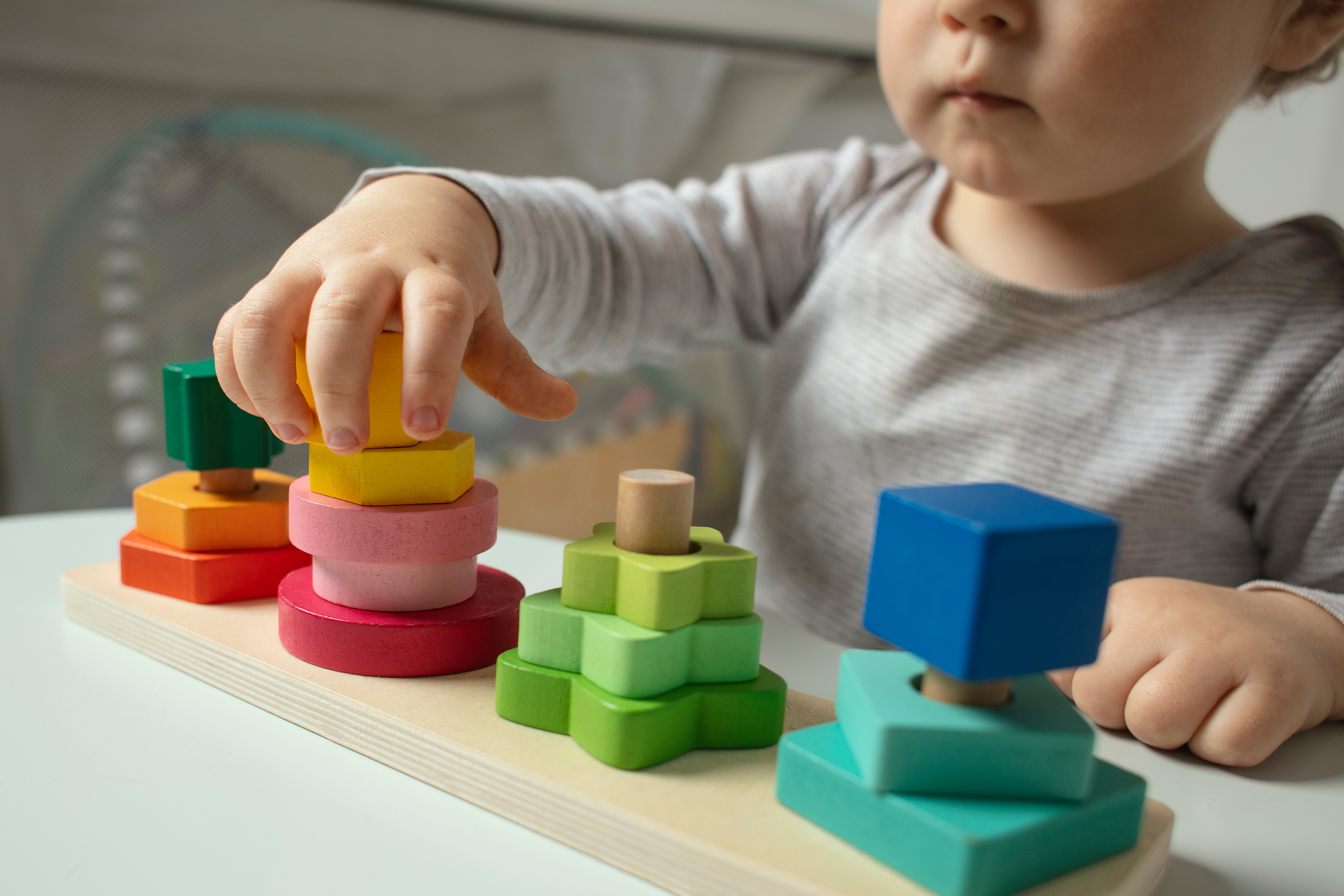


Identifying shapes is a fundamental skill in early childhood education that plays a critical role in a child's cognitive development. For parents and teachers, fostering the ability to recognize and name shapes in kindergarten is essential, as it lays the foundation for future learning in both mathematics and literacy.
Shapes are the building blocks of geometry, and understanding them helps children grasp more complex mathematical concepts. Recognizing shapes enhances spatial awareness, which is crucial for problem-solving and understanding relationships between different objects. Additionally, learning shapes aids in developing visual discrimination skills, the ability to notice differences and similarities in objects, which is also essential for reading and writing.
Beyond academics, identifying shapes nurtures a child's creativity and observational skills. It encourages children to notice patterns and structures in their environment, promoting curiosity and exploration. Shapes also form the basis of letter recognition—knowing that an 'O' is a circle helps children learn to read and write letters more efficiently.
In kindergarten, where learning should be engaging and interactive, incorporating shape recognition activities ensures that children build a strong educational foundation while having fun. Therefore, parents and teachers should prioritize this skill, understanding its profound impact on a child's academic and personal growth.