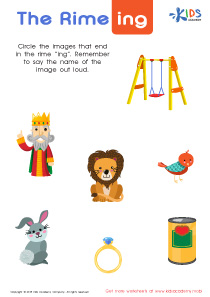
Observation skills Kindergarten Reading Worksheets
3 filtered results
-
From - To
Enhance your child's reading with our engaging Observation Skills Kindergarten Reading Worksheets! Designed to sharpen attention to detail and critical thinking, these worksheets help young learners identify patterns, details, and relationships within texts and images. Packed with fun and interactive activities, our worksheets support the development of key reading skills, such as recognizing sight words and understanding narratives. Built by education experts, these resources are perfect for both classroom and home use, providing a solid foundation for confident and curious readers. Unlock your child's reading potential with our expertly crafted observation skills worksheets today!
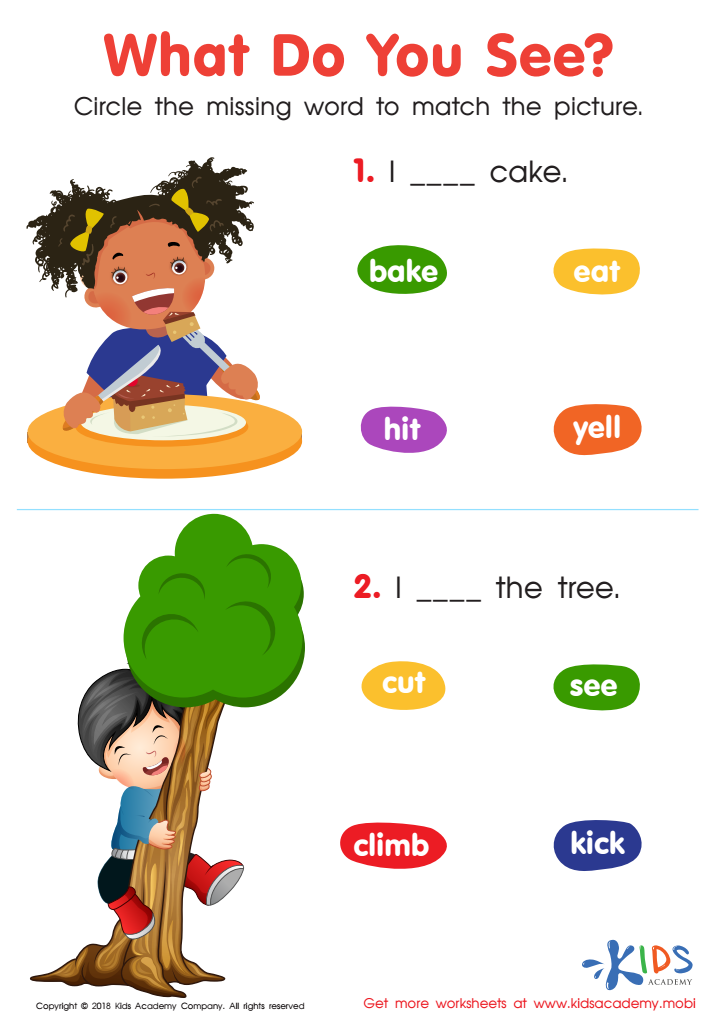
What Do You See? Reading Worksheet
 Assign to My Students
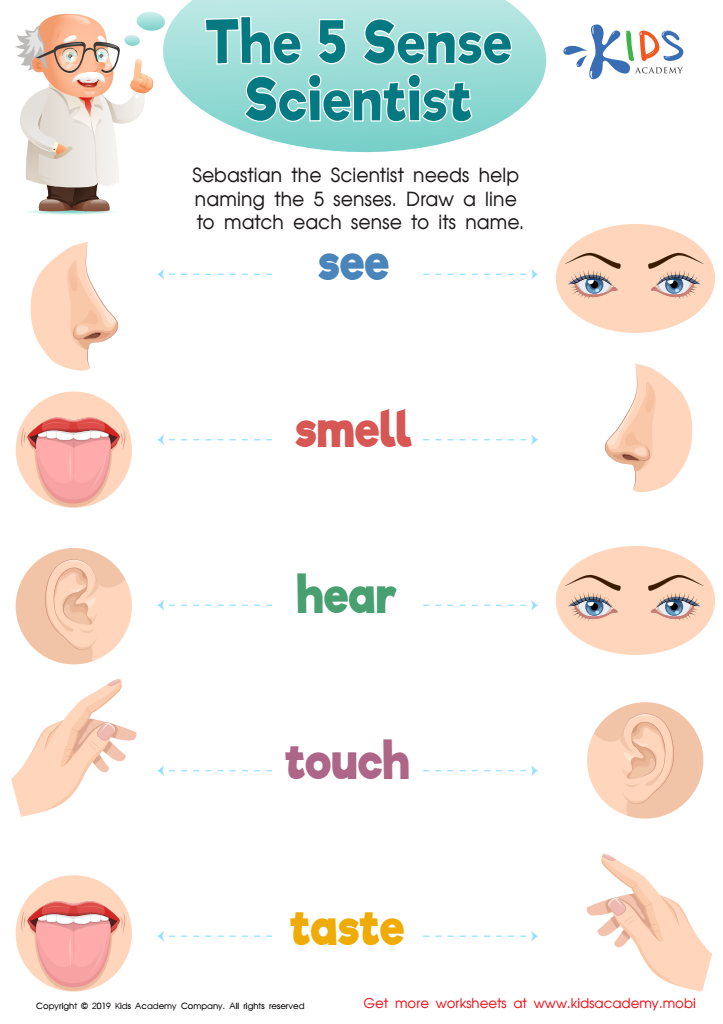
The 5 Sense Scientist Worksheet
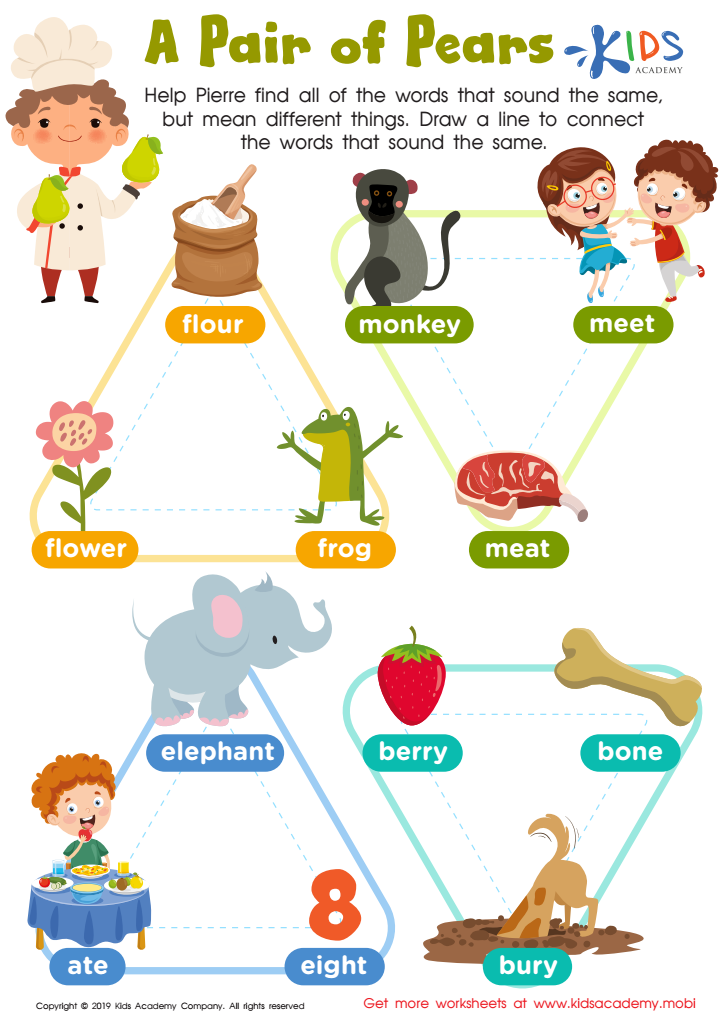
Pair Pears Worksheet





Observation skills in Kindergarten reading are crucial for both parents and teachers because they serve as the foundation for future academic success and overall development. At this stage, young learners are just beginning to understand the complexities of language, and close observation helps identify their unique learning patterns and needs.
For parents, observation enables early detection of potential reading issues like dyslexia, allowing timely intervention which can make a significant difference in a child’s progress. By being attentive, parents can also provide a supportive literacy-rich environment at home, fostering a love for reading through stories, discussions, and varied reading materials.
Teachers benefit from honed observational skills as they tailor instruction to each child’s level, creating enriching and individualized learning experiences. It allows teachers to provide immediate feedback and supplemental activities that address specific challenges, reinforcing skills like phonemic awareness, vocabulary, and comprehension. Additionally, observing students during reading activities can provide insights into their socio-emotional development, such as patience, concentration, and resilience.
Ultimately, by emphasizing observation, both parents and teachers cultivate a more nuanced understanding of a child's reading abilities and attitudes. This supports a collaborative approach to learning, ensures early and effective intervention, and helps build a strong, positive foundation for all future educational endeavors.