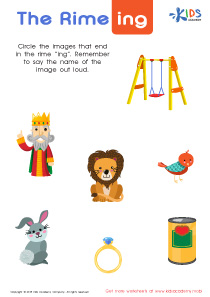
Spelling improvement Kindergarten Reading Worksheets
4 filtered results
-
From - To
Enhance your child's reading skills with our "Spelling Improvement Kindergarten Reading Worksheets" designed specifically for young learners. Our engaging worksheets help kindergarten students practice and perfect their spelling through fun, interactive exercises that build foundational language skills. Each worksheet focuses on simple, age-appropriate words, allowing kids to progress at their own pace while enjoying the learning process. Developed by educational experts, our printable materials make it easy for parents and teachers to support their child's literacy journey. Visit our webpage for a diverse collection of worksheets and give your kindergartner the tools they need for effective spelling improvement.
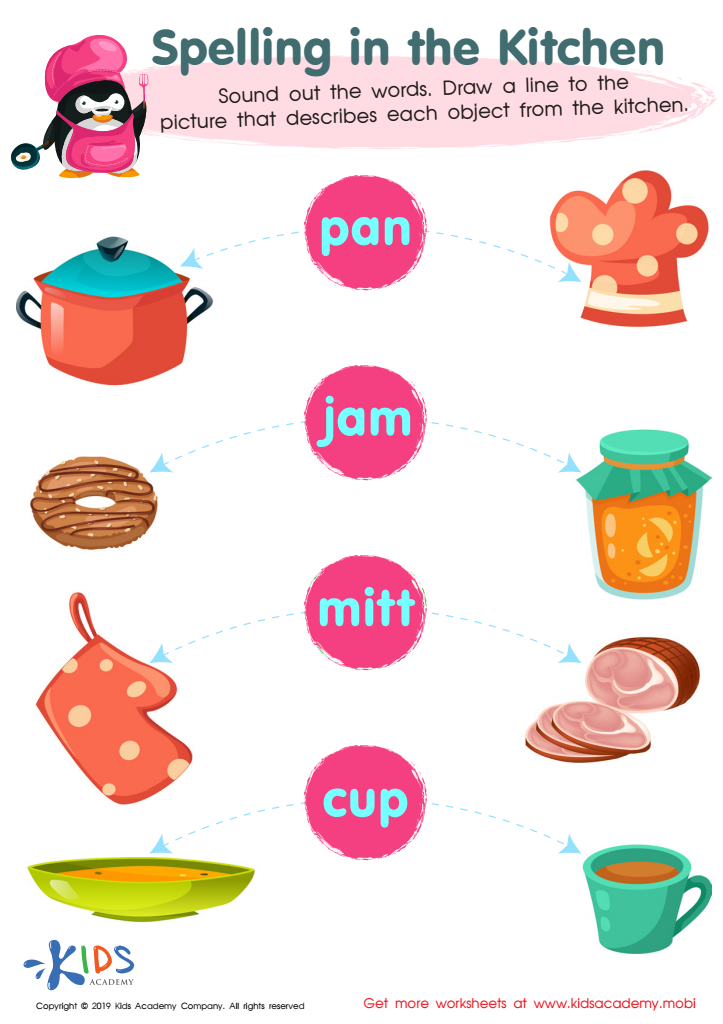
Spelling in the Kitchen Worksheet
 Assign to My Students
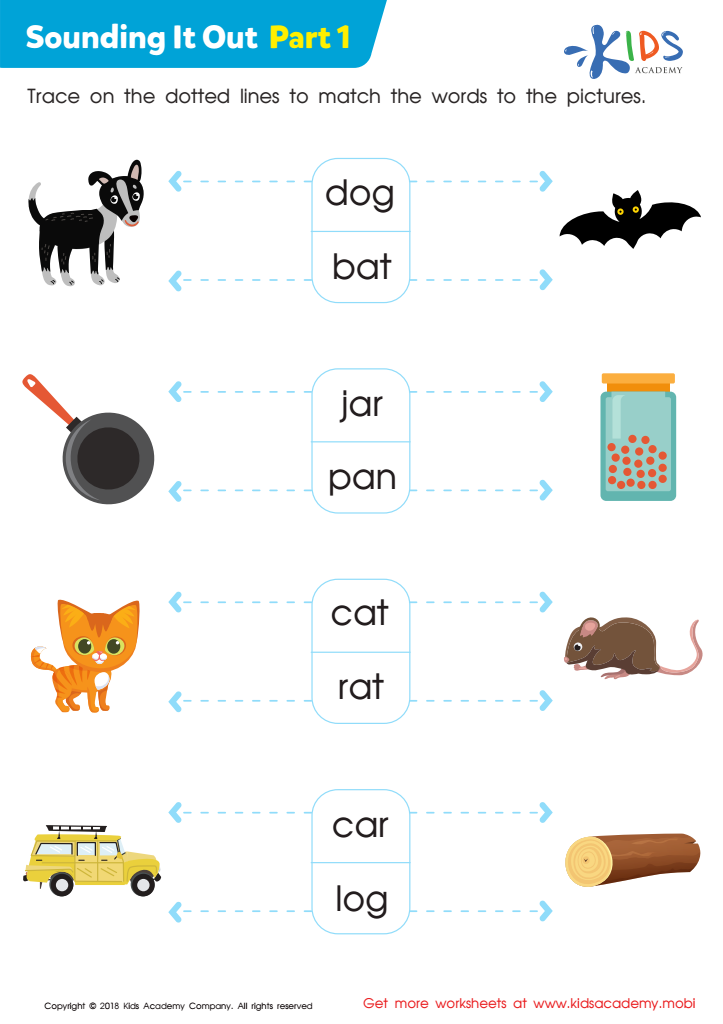
Sounding it Out: Part 1 Worksheet
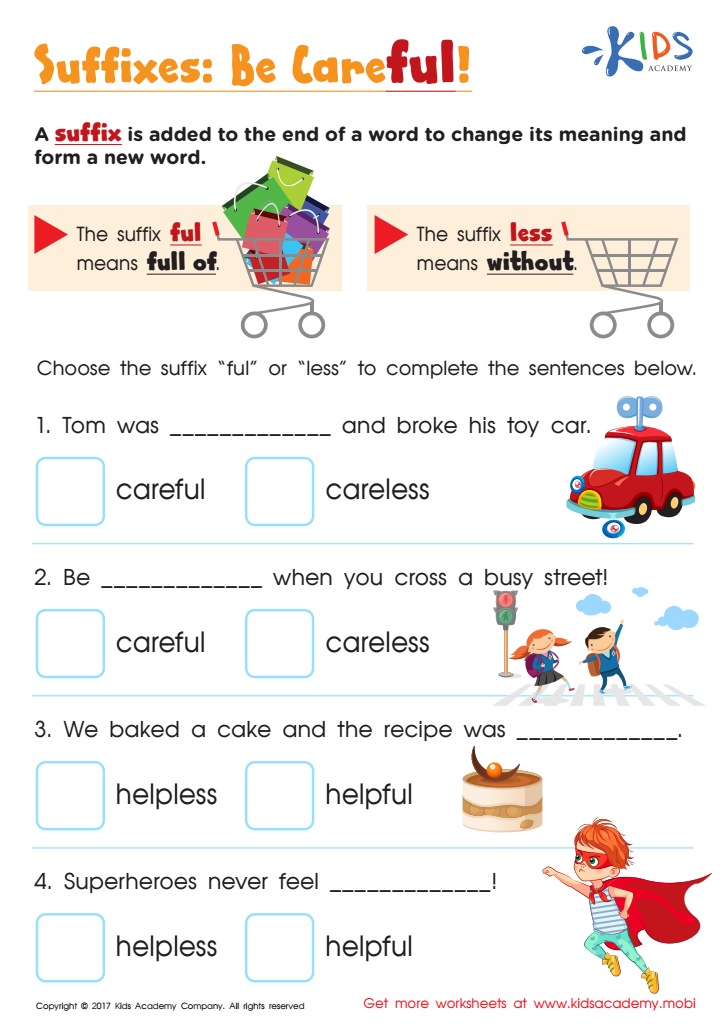
Suffixes Ful and Less Worksheet
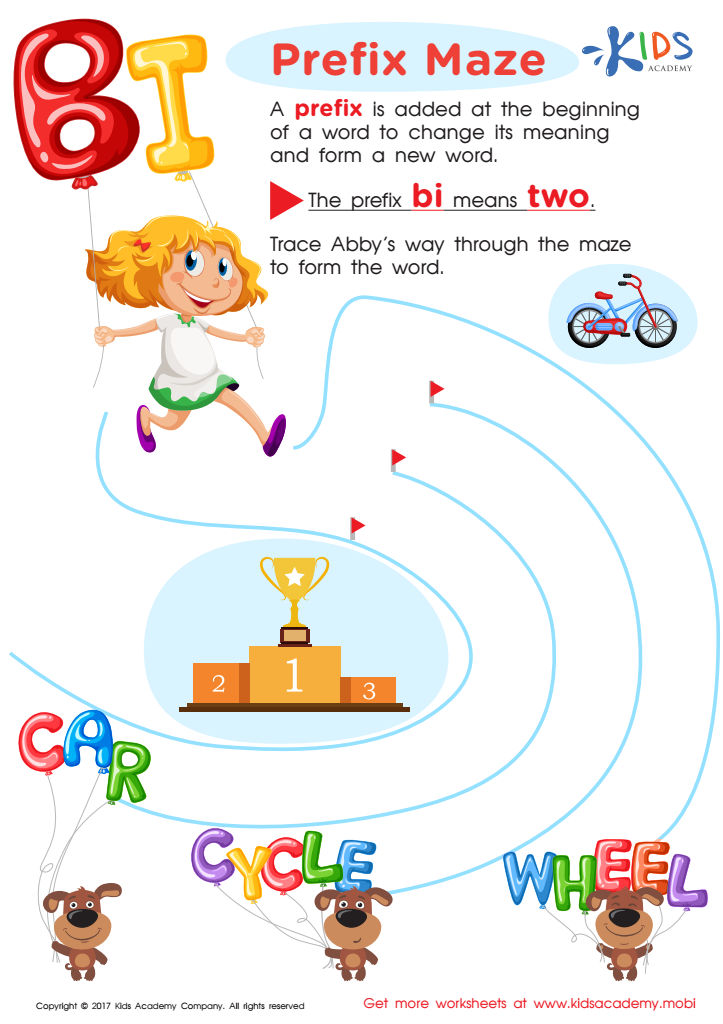
Prefix Bi Words Worksheet








Parents and teachers should prioritize spelling improvement in kindergarten reading because it serves as a foundational skill for literacy development. Spelling facilitates a deeper understanding of word recognition, which is critical for reading fluency—one of the essential pillars of early literacy. When children can spell words accurately, they demonstrate an understanding of phonics, letter-sound relationships, and the structure of words. This boosts their confidence and encourages them to engage more actively with texts.
Moreover, improved spelling contributes to better writing skills. As children learn to spell accurately, they can focus more on expressing their thoughts creatively rather than struggling with basic spelling issues. This seamless transition helps them develop their vocabulary and fosters a love of reading and writing.
In addition, understanding spelling patterns aids in comprehension. When children encounter new words, their ability to break them down into familiar patterns allows for more efficient decoding and, consequently, better understanding of the text. Addressing spelling at an early stage thus equips them with the tools needed to tackle more complex reading tasks in future academic endeavors.
Ultimately, investing in spelling improvement enriches a child’s overall educational experience and sets them up for long-term academic success. It creates a solid literacy foundation that supports broader cognitive development and effective communication skills.