Alphabet sequencing Normal Alphabet Worksheets for Ages 3-5
4 filtered results
-
From - To
Welcome to our Alphabet Sequencing Worksheets designed specifically for children aged 3-5! These engaging and interactive activities help young learners develop their understanding of the normal alphabet order. Each worksheet features vibrant illustrations and fun exercises that encourage preschoolers to practice letter recognition and sequencing. With an emphasis on foundational skills, these worksheets foster cognitive development while keeping learning enjoyable. Ideal for home or classroom use, our printable resources are perfect for early education, helping children build confidence in literacy. Start your child's alphabet journey today and watch their skills flourish with our thoughtfully crafted worksheets!
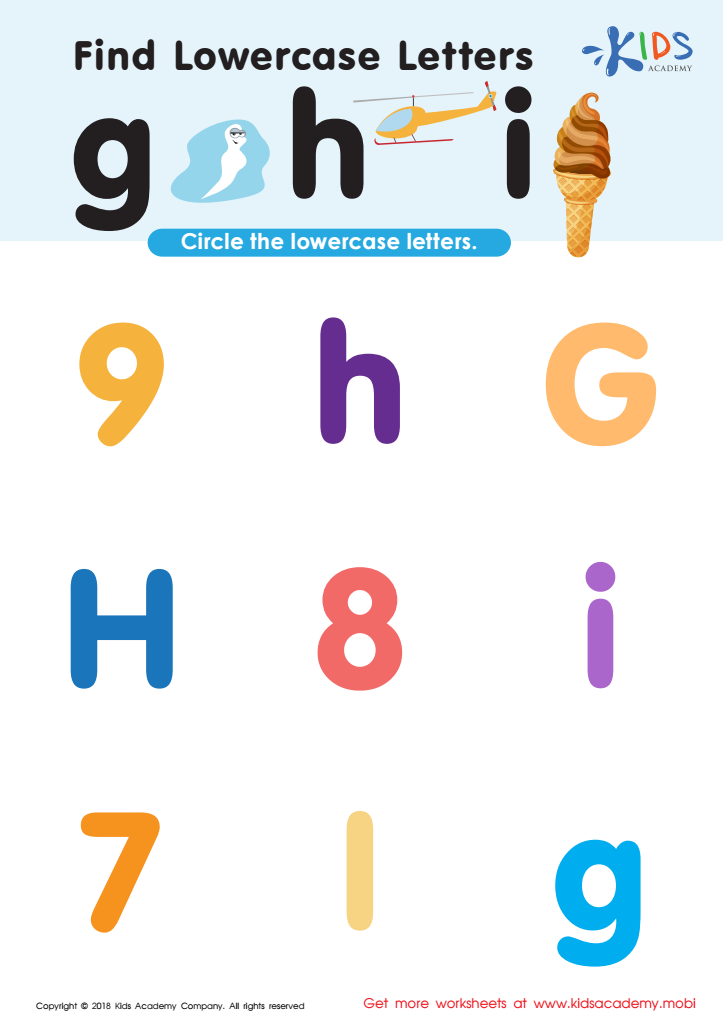
Find Lowercase Letters g h i Worksheet
 Assign to My Students
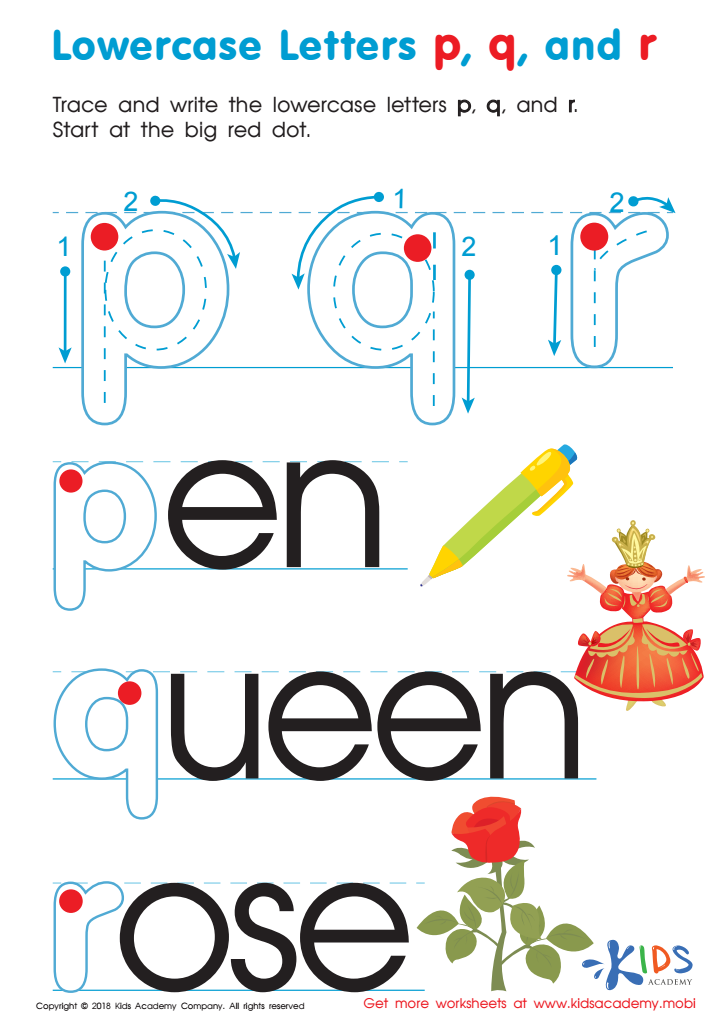
Lowercase Letters p q r Worksheet
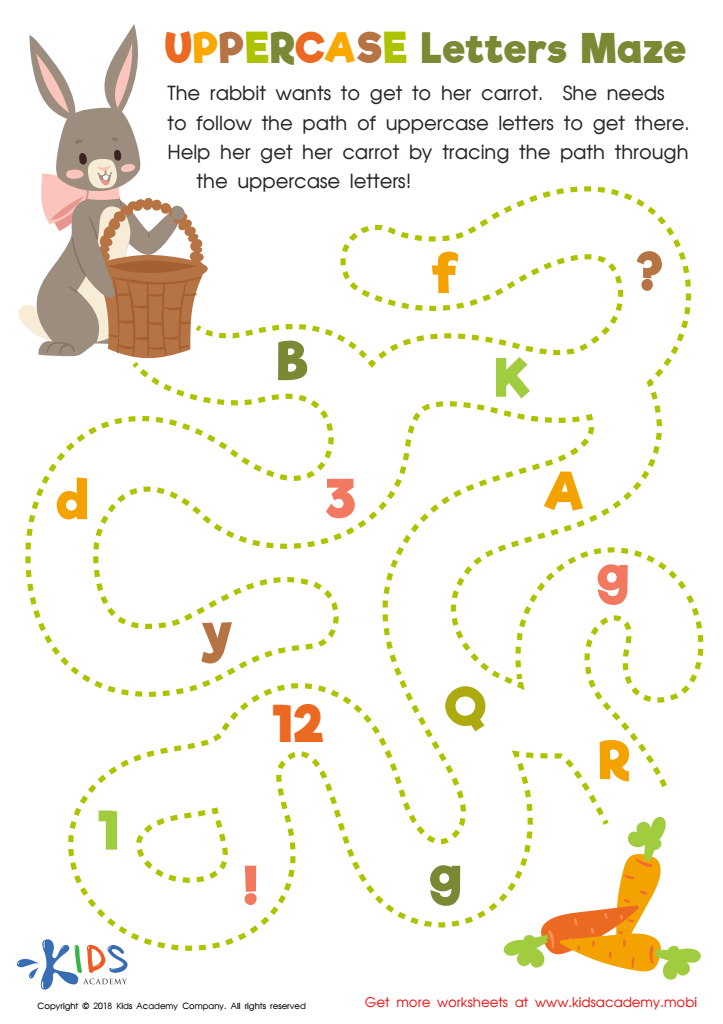
Uppercase Letters Maze Worksheet

Lowercase Letters j k l Worksheet








Understanding the normal alphabet sequencing is crucial for children aged 3-5, as it lays the foundation for literacy and cognitive development. This age group is typically in the early stages of language acquisition, and knowledge of the alphabet facilitates phonemic awareness, which is vital for reading and writing success.
Parents and teachers should care about alphabet sequencing because it helps children recognize letters and their correct order, aiding in spelling and vocabulary development. Mastering the alphabet promotes confidence and enjoyment in learning, encouraging kids to explore stories, write their names, and engage with various texts.
Additionally, learning the alphabet serves as a springboard for more complex linguistic skills. Children who grasp sequencing can better relate letters, sounds, and words, making connections necessary for future learning. Furthermore, singing the alphabet song or using educational games can foster a love for learning that extends beyond early childhood.
As children gain proficiency in the alphabet, they become more adept at understanding classroom instructions, participating in discussions, and expressing their thoughts. This newfound competence not only enhances their academic performance but also supports social development, as they engage more meaningfully with peers and adults in their learning environment.







