Writing practice Normal Alphabet Worksheets for Ages 3-5
6 filtered results
-
From - To
Enhance your child's writing skills with our engaging "Normal Alphabet Worksheets" designed specifically for ages 3-5. These printable worksheets offer a fun and interactive way for young learners to practice forming letters. With a variety of activities that promote fine motor skills and letter recognition, children will enjoy tracing and writing both uppercase and lowercase letters. Our worksheets cater to different learning styles, ensuring every child can thrive. Perfect for at-home practice or classroom use, these resources aim to build confidence and foundational literacy skills. Start your child’s writing journey today and watch them flourish with each stroke!
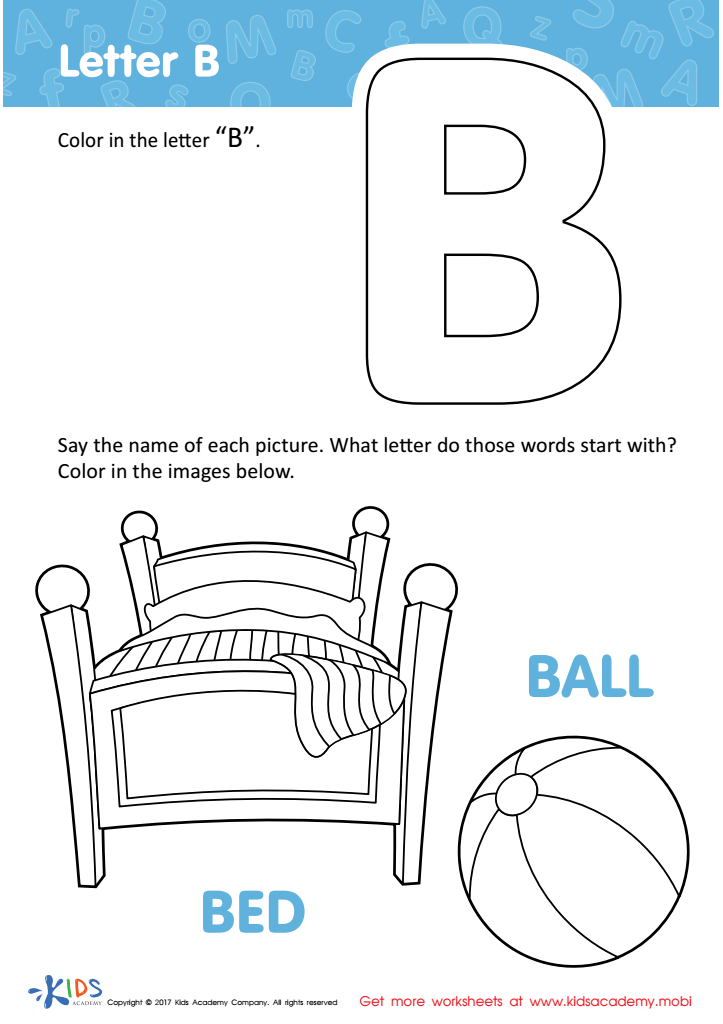
Letter B Coloring Sheet
 Assign to My Students
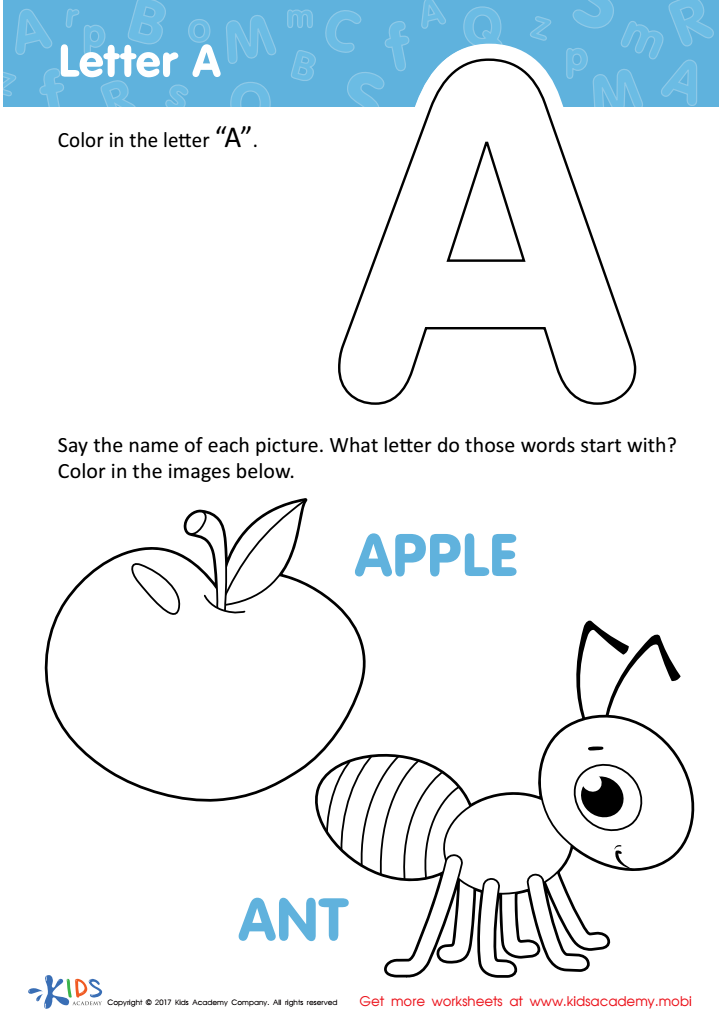
Letter A Coloring Sheet
Assign to My Students

Letter H Tracing Page
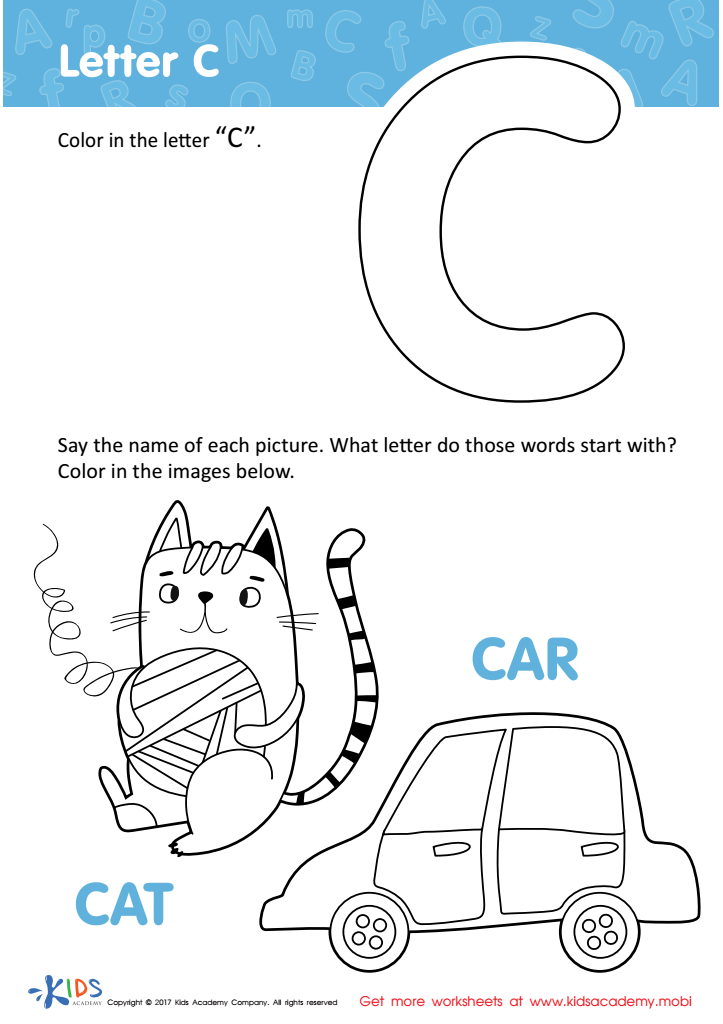
Letter C Coloring Sheet
Assign to My Students
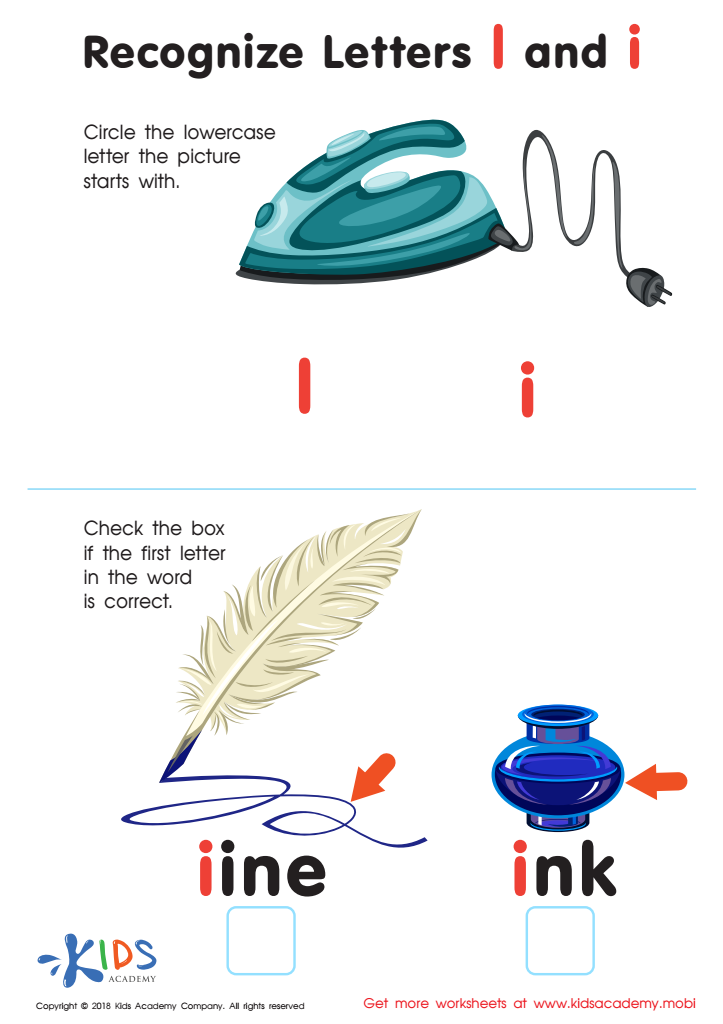
Recognize Letters l and i Worksheet
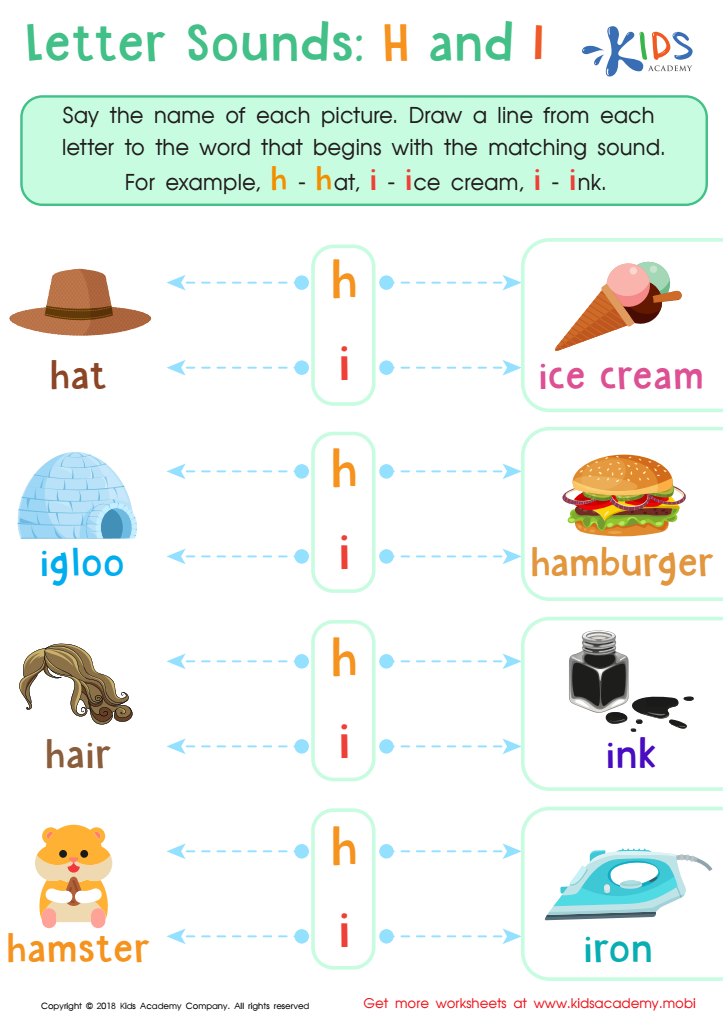
Letter H and I Sounds Worksheet







Writing practice using the normal alphabet for children ages 3-5 is crucial for several reasons. Firstly, early writing helps develop fine motor skills, essential for tasks like buttoning shirts or holding utensils. Using tools like crayons, markers, or pencils builds muscle control, which is foundational for later writing and drawing.
Secondly, learning the alphabet helps children recognize letters and understand their sounds, a key part of pre-reading skills. Familiarity with both uppercase and lowercase letters enhances literacy as they transition into reading and spelling. Engaging in writing activities also encourages creativity and self-expression, allowing children to communicate their thoughts and ideas.
In addition, incorporating writing practice into daily routines can foster a sense of achievement and build confidence. Each stroke, letter, or word written gives children a tangible goal to celebrate, inspiring them to progress further. Beyond the technical skills, parents and teachers can use writing exercises to bond with children, making learning a fun shared experience.
Overall, prioritizing writing practice in early childhood lays the groundwork for academic success and builds a love for learning that benefits children throughout their educational journey.







