Alphabet Recognition Normal Letter Recognition Worksheets for Ages 3-5 - Page 2
29 filtered results
-
From - To
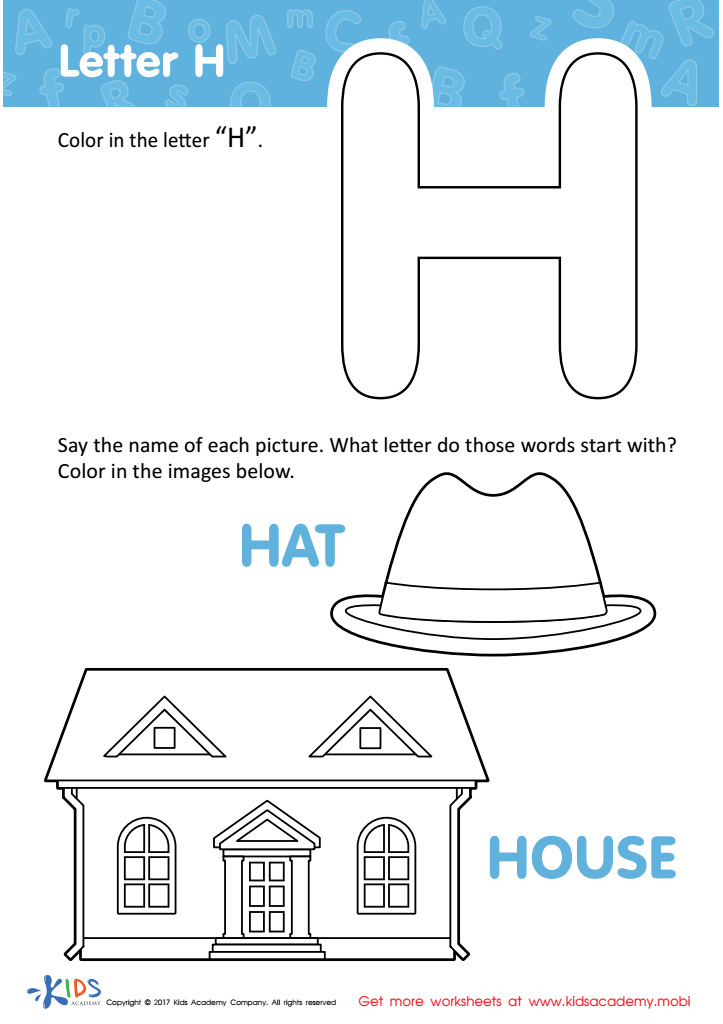
Letter H Coloring Sheet
 Assign to My Students
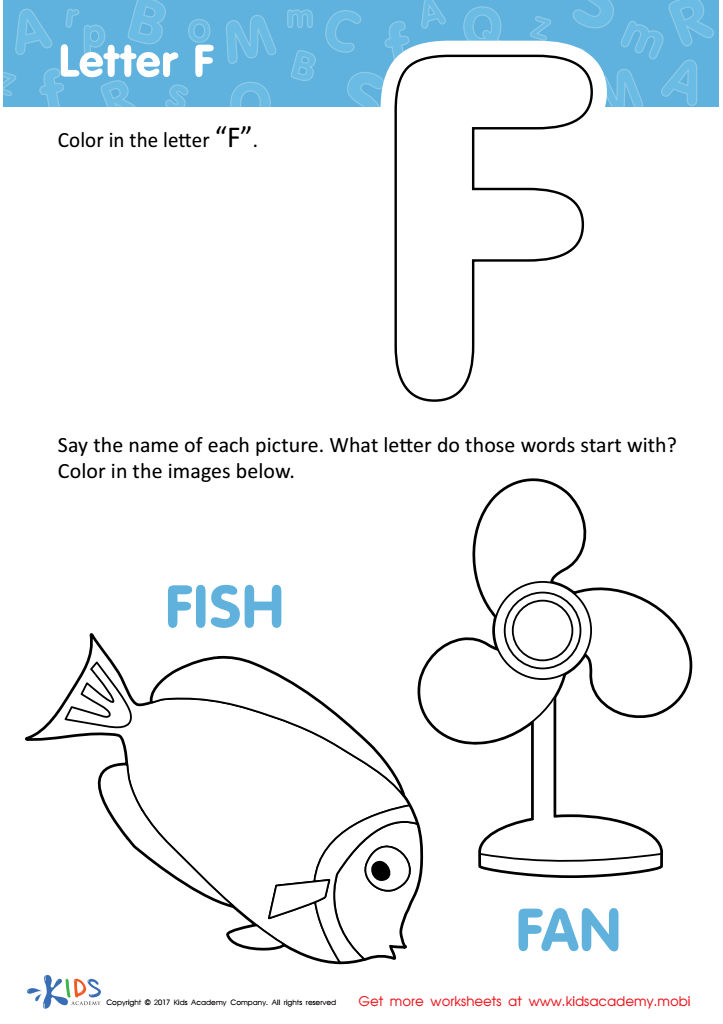
Letter F Coloring Sheet
Assign to My Students
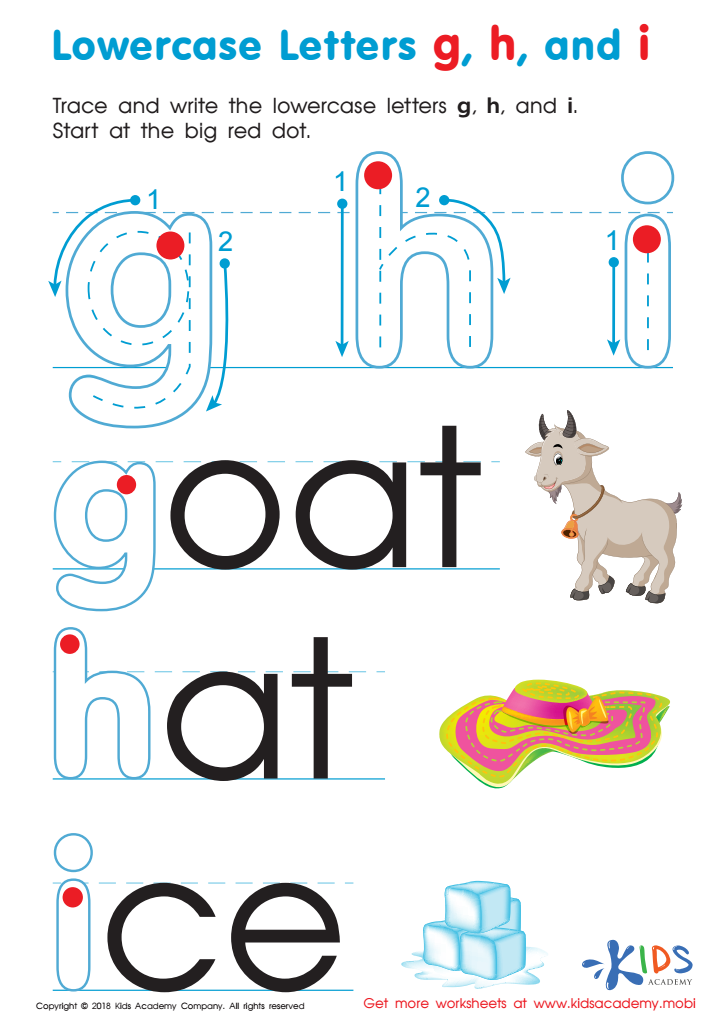
Lowercase Letters g h i Worksheet
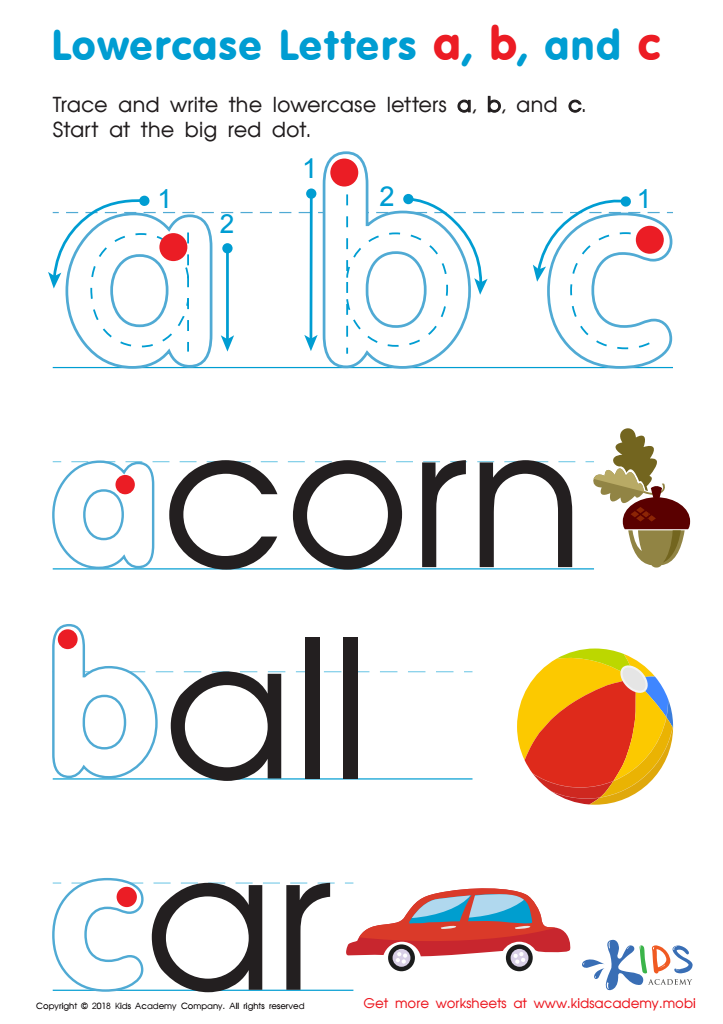
Lowercase Letters a b c Worksheet
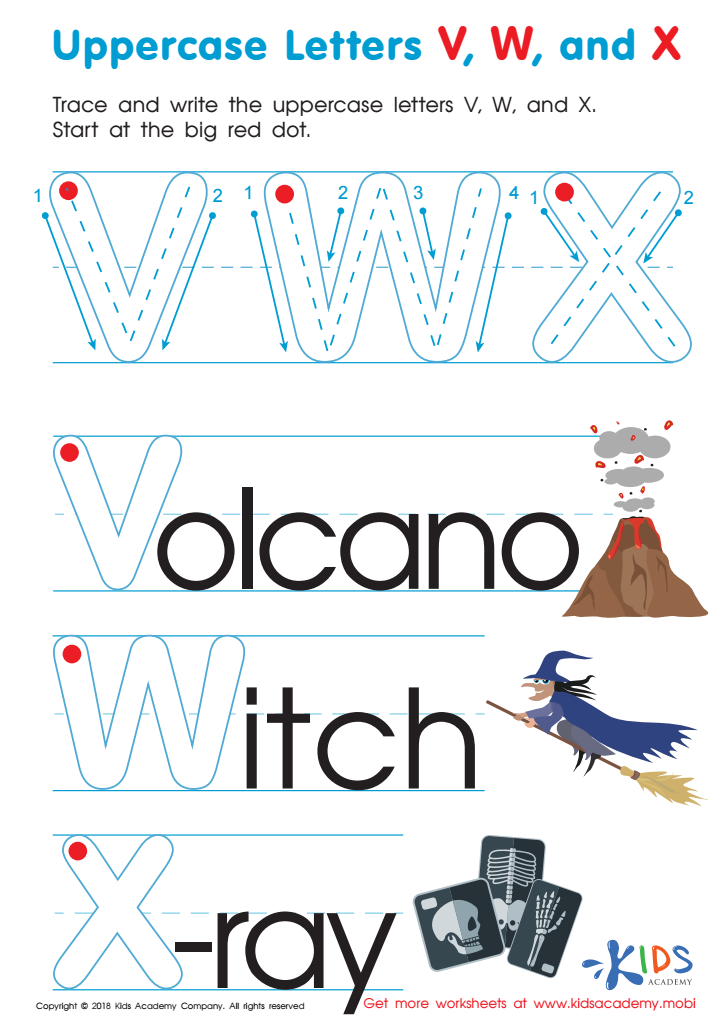
Uppercase Letters V, W, and X Worksheet








Alphabet recognition is a foundational skill for children aged 3-5, and both parents and teachers should prioritize it for several important reasons. First, early alphabet recognition correlates strongly with later literacy skills. Recognizing letters is one of the first steps in learning to read. Once children can identify letters, they can start connecting those letters to sounds, forming words, and eventually sentences.
For children at this age, developing strong alphabet knowledge bolsters their phonemic awareness, which is the ability to hear and manipulate sounds in words. This skill is critical for effective reading and spelling. Early mastery can make the acquisition of reading skills much smoother compared to peers who may struggle with letter recognition.
Moreover, alphabet activities enhance cognitive development, engaging a child’s memory, attention span, and problem-solving abilities. It also provides a sense of achievement and boosts self-confidence.
The social aspect is equally important. During structured or group learning activities, kids become comfortable with classroom routines and learn to follow directions, paving the way for future academic settings. Additionally, parents who are actively involved in their child's alphabet learning can strengthen the parent-child bond and create a home environment that values and supports education.
In conclusion, investing time and effort in alphabet recognition for young children sets the stage for academic and personal success, laying a solid foundation for future learning endeavors.








