Alphabet sequencing Normal Letter Recognition Worksheets for Ages 3-5
3 filtered results
-
From - To
Discover our Alphabet Sequencing Normal Letter Recognition Worksheets designed for children ages 3-5. Encourage early literacy skills by helping your little ones recognize and sequence letters of the alphabet effectively. These engaging worksheets feature playful themes and easy-to-follow activities that make learning fun and interactive. Perfectly tailored for preschoolers, our resources support letter identification, improve writing skills, and enhance memory through repetition and hands-on practice. Build a strong foundation in language and prepare your child for future learning milestones. Explore our collection today and turn alphabet adventures into endless hours of educational joy!
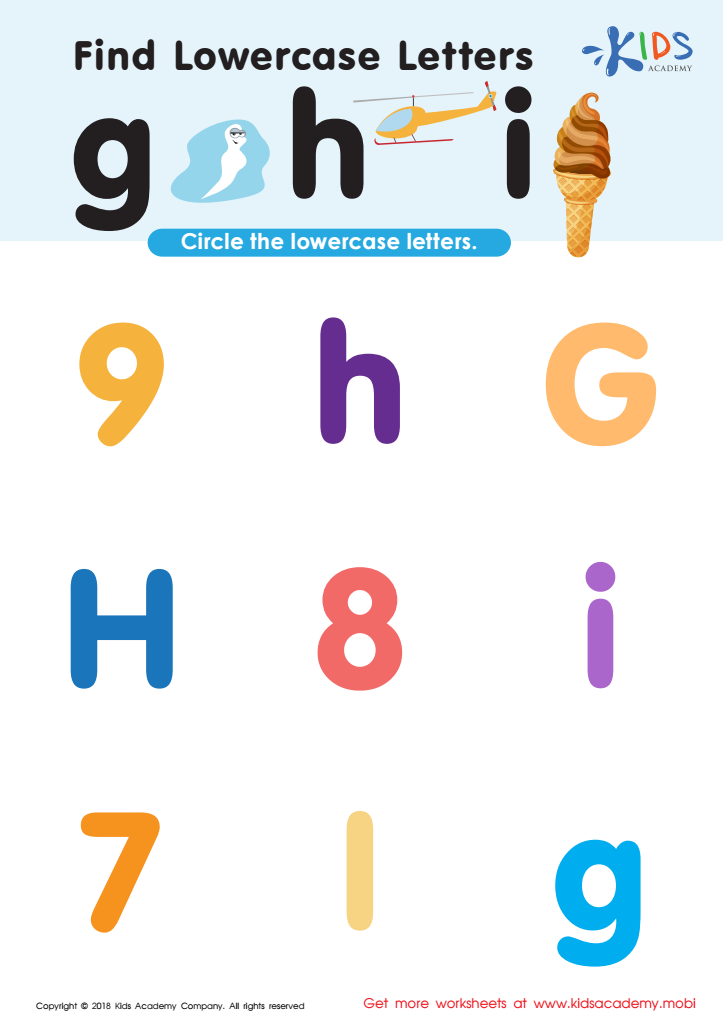
Find Lowercase Letters g h i Worksheet
 Assign to My Students
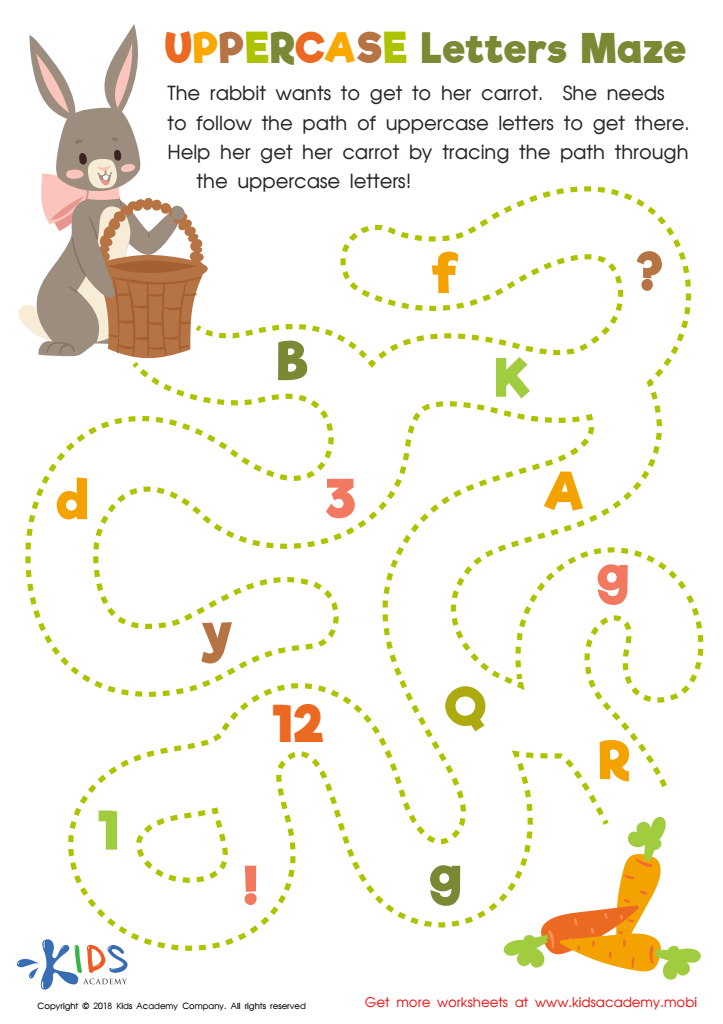
Uppercase Letters Maze Worksheet
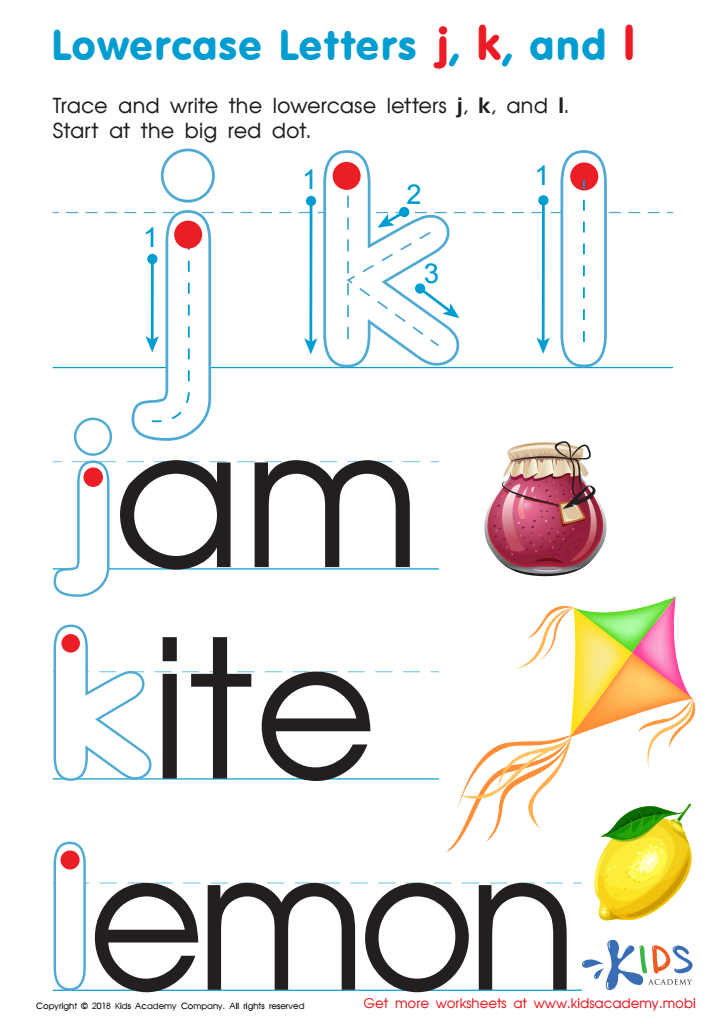
Lowercase Letters j k l Worksheet








Alphabet sequencing and normal letter recognition are foundational skills in early childhood development, particularly for children aged 3-5. These skills are crucial for several reasons and merit attention from both parents and teachers.
Firstly, understanding Alphabet sequencing helps children grasp the order and structure of letters. This is not just about memorizing the alphabet song; it's also about internalizing a system that will support their future reading abilities. Proficiency in Alphabet sequencing enhances a child's ability to follow words in the correct order, which is essential for decoding new words and understanding sentence structure.
Normal letter recognition, or the ability to identify and name letters accurately, forms the basis of reading and writing. When children can easily recognize letters, they are more confident and proficient when starting to read simple words. This early recognition improves phonemic awareness—that is, the understanding that letters represent specific sounds, which is a key step in learning to read.
In addition, early exposure to these skills can promote a love of reading and writing, setting students up for academic success. Children who enter kindergarten with strong alphabet knowledge often display better literacy skills and are more at ease with the learning process.
Parents and teachers play an instrumental role in fostering these skills. Engaging activities like alphabet games, storytime, and guided writing practices can facilitate learning while making it fun and interactive. Therefore, investing time in alphabet sequencing and letter recognition during these formative years creates a solid foundation for lifelong educational success.








